
The success stories of crane operators after getting certified shine a spotlight on the transformative power of professional training in the heavy machinery industry. Did you know that certified crane operators often need NCCCO certification before an employer will put them on a crane? Certification is a credential many contractors ask for. Pay is set by the employer. From enhanced safety practices on job sites to significant career advancements, the journey to becoming a certified crane operator is filled with challenges, growth, and rewarding experiences. In this blog post, we will explore the inspiring paths taken by certified operators, showcasing how their dedication to training not only propelled their careers but also contributed to a safer and more efficient industry.
Overview of Crane Operator Certification
Crane operator certification is crucial for individuals seeking to excel in the heavy machinery industry. Obtaining certification through the National Commission for the Certification of Crane Operators (NCCCO) ensures that operators are equipped with the necessary skills and knowledge to perform their duties safely and effectively. At Miller Crane Works, we provide comprehensive training designed to prepare prospective operators for certification and real-world challenges.
Importance of NCCCO Certification The NCCCO certification is recognized nationwide as a standard for crane operation safety and competence. Here are some key benefits of obtaining this certification:
- Enhanced Safety Awareness: Certified operators are trained to understand the hazards associated with crane operation, which helps prevent accidents.
- Increased Employability: Many employers prioritize hiring certified operators over non-certified ones, leading to better job opportunities.
- Professional Growth: Certification opens doors for advanced training and specializations, contributing to overall career development.
The Journey to Certification Many aspiring crane operators face various challenges on their path to certification. From mastering technical skills to understanding safety protocols, the journey can be demanding.
However, with dedicated training at a facility like Miller Crane Works, these challenges can be effectively overcome. Here’s what this journey typically involves:
- Initial Assessment: Understanding your current skill level and knowledge gaps.
- Hands-On Training: Practical experience with cranes under expert supervision.
- Mock Examinations: Simulated testing environments to prepare for the actual certification exams.
Career Advancement Post-Certification Once operators achieve their NCCCO certification, their career potential significantly expands.
Here are some potential outcomes that demonstrate success stories of crane operators after getting certified:
- Job Opportunities: Certified operators often find positions in various sectors including construction, shipping, and manufacturing.
- Salary Benefits: Many certified operators report higher salaries compared to their non-certified counterparts.
- Job Stability: The demand for certified crane operators continues to rise, leading to long-term job security.
Notable Success Stories The industry is filled with inspiring success stories of crane operators who have transformed their careers after certification. For instance, operators have moved from entry-level positions to leadership roles within just a few years. Common themes among these stories include:
- Promotion into supervisory positions.
- Transition into specialized crane operation roles.
- Enhanced recognition within the community and industry.
The Ripple Effect of Certification Certified crane operators not only benefit personally but also contribute positively to their workplaces and the industry at large. Here’s how:
- Safety and Efficiency: Their expertise leads to safer operations and reduced incidents, creating a healthier work environment.
- Employer Feedback: Many companies have observed improved productivity and morale with certified operators.
- Mentorship Opportunities: Experienced certified operators often mentor newcomers, fostering a culture of learning and safety.
For further insights on crane safety and certification, you can visit OSHA’s official website.
Ongoing Development for Certified Operators
Crane operation is a continuously evolving field; thus, ongoing education is essential for certified operators. Miller Crane Works offers advanced courses to help operators maintain their competitive edge. Benefits of continued education include:
- Skill Upgradation: Learning new techniques and technologies in crane operation.
- Networking Opportunities: Connecting with industry professionals and other certified operators.
- Mentorship: Engaging in mentorship programs to guide new entrants into the field.
In conclusion, the success stories of crane operators after getting certified are not only a testament to personal achievement but also reflect the importance of training and safety in the industry. Aspiring operators should consider pursuing certification to unlock their full potential and contribute positively to their careers and workplaces.
The Ripple Effect of Certification Getting certified as a crane operator results in a significant positive impact on various aspects of the construction and heavy equipment industry. The success stories of crane operators after getting certified highlight not only personal achievements but also widespread benefits to their workplaces and the industry at large. Here are some of the ripple effects of crane certification:
Enhanced Safety and Efficiency One of the most crucial contributions of certified crane operators is the enhancement of safety protocols in the workplace. The rigorous training programs instill deep knowledge of safety standards and best practices. This expertise directly translates into:
- Reduced Accident Rates: Certified operators are trained to identify and mitigate hazards, leading to fewer accidents on job sites.
- Increased Productivity: With their skills, certified operators can handle machinery more efficiently, minimizing downtime and project delays.
- Better Team Dynamics: Certified operators often serve as safety advocates and mentors, fostering a culture of safety among their peers.
Employer Feedback and Performance Employers greatly value the skills that certified crane operators bring to their organizations.
Many companies report a marked improvement in performance metrics when hiring certified individuals. Key feedback includes:
- Higher Job Satisfaction: Employers find that certified operators demonstrate more confidence and competence in their roles.
- Stronger Workplace Reputation: Organizations employing certified operators often enjoy a better reputation for quality and safety, attracting new clients and projects.
- Enhanced Client Trust: Clients feel more secure knowing that the operators handling their projects are properly trained and certified.
Mentorship and Community Building The connection between certified crane operators and the wider industry community cannot be understated. As experienced professionals, certified operators play an essential role in nurturing the next generation of crane operators:
- Mentoring New Operators: Experienced operators often take on mentorship roles, helping novices navigate challenges and learn essential skills.
- Networking Opportunities: Participation in industry events and workshops helps certified operators connect with peers and potential employers, expanding their professional network.
- Engaging in Industry Standards: Certified operators can contribute to discussions and initiatives aimed at improving industry standards and safety practices.
For more information on the importance of safety in heavy machinery operations, you can visit The National Safety Council. The ongoing development and contributions of certified crane operators demonstrate the profound impact that certification can have, not only on individual careers but also on the entire industry. Their success stories illustrate the value of investing in quality training and certification to enhance safety, performance, and community within the realm of crane operation.
Ongoing Development for Certified Operators
The journey for a crane operator doesn't end with certification; in fact, it's just the beginning.
Continuous education and professional development are critical for maintaining skills and adapting to the evolving landscape of the industry. The success stories of crane operators after getting certified often include ongoing training that further enhances their careers.
Importance of Continuous Education Staying updated on the latest technologies, safety practices, and regulations is essential for certified operators. Here’s why ongoing education is vital:
- Adaptation to New Technologies: The crane industry frequently evolves with new machinery and innovative techniques. Continuous training helps operators stay up-to-date.
- Improving Safety Protocols: Regular training sessions ensure that operators are aware of the latest safety measures and can implement them effectively.
- Career Advancement: Additional certifications or specialized training can open doors to advanced roles within organizations.
Types of Ongoing Training Opportunities At facilities like Miller Crane Works, various ongoing development programs are available to certified crane operators, including:
- Safety Workshops: Emphasize safety updates and best practices to ensure a safe working environment.
- Leadership and Management Training: Prepare operators for potential supervisory roles and equip them with essential management skills.
Networking and Mentorship Opportunities Besides formal education, certified operators also benefit from community connections and mentorship:
- Industry Seminars and Conferences: Attending these events provides opportunities to network with industry leaders and exchange knowledge.
- Mentorship Programs: Experienced operators often take on mentorship roles, guiding newer operators and sharing invaluable insights.
For more comprehensive resources on crane operation training and development, visit The United States Department of Labor (DOL).
Investing in ongoing education and professional growth is essential for all certified crane operators. The stories of success reflect a commitment to continuous learning, ultimately leading to enhanced career prospects, better safety practices, and a more robust industry community. Embracing lifelong learning ensures that certified operators remain at the forefront of the field and continue to elevate their careers.
Notable Success Stories
The success stories of crane operators after getting certified offer powerful narratives that demonstrate the transformative impact of certification on individual lives and careers. These stories encapsulate various paths of career growth, enhanced safety practices, and personal achievements that inspire both current and aspiring crane operators.
Profiles of Successful Crane Operators 1. From Ground Worker to Site Supervisor ○ Background: John began his career as a ground worker on construction sites, where he developed a strong interest in heavy machinery.
○ Achievement: After completing his NCCCO certification, John transitioned to a crane operator role and quickly excelled, earning promotions that led him to become a site supervisor.
○ Impact: His story highlights the potential for upward mobility through certification, showcasing how operator skills can lead to leadership opportunities.
2. Specialization in Tower Cranes ○ Background: Lisa initially operated mobile cranes but wanted to specialize in tower cranes, which are in high demand in urban construction.
○ Achievement: After attending a specialized training course at Miller Crane Works, she obtained additional credentials and now operates tower cranes on major projects.
○ Impact: Lisa’s story emphasizes the value of continuous learning and specialization in increasing job security and marketability.
3. Safety Advocate and Community Leader ○ Background: Mike was passionate about safety but felt limited in his ability to influence practices at his workplace.
○ Achievement: Following his certification, he used his knowledge to become a safety officer within his company, implementing new training programs.
○ Impact: Mike’s transformation into a safety advocate illustrates how certified operators can shape a culture of safety, benefitting their employers and the broader industry.
The Broader Impact of Certification
- Improved Workplace Safety: Each of these professionals contributes to a safer work environment, minimizing accidents and injury rates through enhanced knowledge and practices.
- Community Engagement: Certified operators often get involved in local workshops and training sessions, sharing their expertise and experiences to cultivate new talent.
- Inspiration for Others: The success stories of crane operators encourage aspiring individuals by showcasing achievable goals and the tangible rewards of dedication and training.
For further inspiration and mentoring opportunities, organizations like The Associated General Contractors of America (AGC) offer resources for crane operators looking to advance their careers and safety practices.
These real-life success stories of crane operators after getting certified exemplify the profound difference that certification can make. They serve as motivational beacons for new students, illustrating that with commitment and the right training, anyone can achieve their career aspirations in the crane operating field.
Career Advancement Post-Certification
One of the most significant aspects of the success stories of crane operators after getting certified is the tangible career advancement they experience. The attainment of NCCCO certification opens numerous doors and creates a wealth of opportunities within the heavy equipment industry. Here’s a closer look at how certification can lead to professional growth.
Increased Job Opportunities Certified crane operators enjoy enhanced employability, as many companies prioritize hiring individuals with recognized qualifications. The key advantages include:
- Broader Job Market: Certification prepares operators to meet the requirements of a wide range of industries, including construction, transportation, and shipping.
- Global Opportunities: Many companies look for certified operators for international projects, giving certified professionals the chance to work abroad.
Salary Growth and Benefits With certification comes the potential for improved financial rewards. Certified operators often see:
- Higher Starting Salaries: Entry-level positions offer better pay for certified operators compared to their non-certified counterparts.
- Opportunities for Bonuses: Many employers provide performance bonuses for certified operators, which can significantly enhance overall compensation.
- Job Security: The demand for certified operators tends to remain stable, providing long-term job security in an evolving market.
Professional Development and Networking Certification not only provides immediate career benefits but also opens the door to ongoing professional development and networking opportunities:
- Continuing Education: Certified operators are encouraged to participate in refresher courses and advanced training, enhancing their skills and knowledge.
- Networking Events: Industry conferences and seminars provide valuable opportunities to meet other professionals, share experiences, and discover job openings.
- Mentorship Programs: Many certified operators give back to the community by mentoring newcomers, often leading to meaningful professional relationships.
For additional resources and insights into career opportunities within the crane industry, you can visit The American Society of Safety Professionals (ASSP).
The success stories of crane operators after getting certified illustrate the far-reaching impact of obtaining certification. Enhanced job opportunities, increased salaries, and avenues for continual growth exemplify how certification can serve as a catalyst for career advancement in the crane operation sector. By investing in certification, operators position themselves for a rewarding and successful career journey.
The Journey to Certification
The journey to becoming a certified crane operator is filled with challenges and learning experiences that pave the way for future success. The success stories of crane operators after getting certified showcase the significance of dedication, training, and perseverance throughout this process. Understanding this journey can inspire aspiring operators as they navigate their own path to certification.
Common Challenges Faced by Aspiring Operators Before achieving certification, many aspiring crane operators encounter several obstacles, including:
- Technical Skills Gaps: Many individuals may not have prior experience operating heavy machinery, making the acquisition of technical skills essential.
- Physical and Mental Demands: Crane operation requires physical strength and mental acuity, posing challenges for those unfamiliar with such roles.
- Navigating Regulations: Understanding the various safety regulations and best practices can be overwhelming for new operators.
Overcoming Challenges Through Training Facilities like Miller Crane Works play a vital role in helping aspiring crane operators overcome these challenges through comprehensive training programs. Key elements of this training include:
- Hands-On Instruction: Practical training with real machinery helps build confidence and technical proficiency.
- Safety Training: Operators receive extensive education regarding safety protocols and hazard recognition, essential for effective crane operation.
- Mock Exams: Simulated testing environments allow students to practice for the NCCCO certification exams, reducing anxiety and improving performance.
Personal Growth During the Certification Process Beyond technical skills, the journey to certification also fosters personal and professional growth.
The benefits often reported by successful crane operators include:
- Boosted Confidence: Mastery of crane operation instills confidence, enabling operators to tackle complex tasks effectively.
- Increased Responsibility: As they become certified, operators often take on greater responsibilities, leading to leadership opportunities.
- Stronger Community Engagement: Many certified operators develop a sense of belonging within the crane operator community and actively engage in mentorship and training for newcomers.
For more information on the training and certification process for crane operators, you can visit The National Commission for the Certification of Crane Operators (NCCCO).
The journey to certification is a transformative experience that equips aspiring operators with the necessary skills and knowledge to succeed in the crane operation field. The success stories of crane operators after getting certified highlight the importance of overcoming challenges and embracing growth throughout this process, ultimately leading to rewarding careers in the industry.
Conclusion
The journey to becoming a certified crane operator is marked by significant personal and professional growth, culminating in inspiring success stories of crane operators after getting certified. These narratives reflect not only the individual achievements of certified operators but also the broader impact on workplace safety, efficiency, and career opportunities. Here’s a recap of the key takeaways:
- Commitment to Safety and Excellence: Certification ensures that crane operators are well-trained, knowledgeable, and equipped to handle the challenges of their roles, which contributes to a safer work environment.
- Career Advancement Opportunities: Many certified operators experience enhanced job prospects, higher salaries, and increased responsibilities, showcasing the value of investing in certification.
- Community and Mentorship Growth: Certified operators often give back by mentoring newcomers, fostering a supportive community that promotes continuous learning and development.
Encouragement for Aspiring Operators For those considering a career in crane operation, the success stories of certified operators serve as powerful motivators. Pursuing NCCCO certification not only opens doors to career advancement but also builds essential skills that can lead to a successful and fulfilling career in the industry. The journey may be challenging, but the rewards are significant and far-reaching.
For additional resources to guide you on your journey, consider visiting The American Crane and Equipment Corporation, which offers insights and tools for aspiring crane operators.
Overall, the impact of certification in shaping successful careers cannot be overstated. By investing in training and embracing the certification process, aspiring crane operators are setting the foundation for a bright future in the industry.
What is NCCCO certification?
NCCCO certification stands for the National Commission for the Certification of Crane Operators. It is a recognized credential that demonstrates a crane operator's competency and knowledge of safety standards and operational practices necessary to safely operate cranes.
How long does it take to get certified as a crane operator?
The duration to get certified varies widely depending on the training program chosen. Typically, candidates can complete required training and certification exams within a few weeks to a few months, depending on their prior experience and the frequency of available courses.
What are the benefits of becoming a certified crane operator?
Being a certified crane operator opens up numerous advantages, including higher salary potential, improved job security, increased employability, and access to a broader range of job opportunities in diverse industries like construction, logistics, and manufacturing.
What challenges do aspiring crane operators face during certification?
Aspiring crane operators often face challenges such as acquiring technical skills, mastering safety protocols, and adapting to the physical and mental demands of operating heavy machinery.
Completing a quality training program can help overcome these obstacles and lead to successful certification.
How can ongoing development benefit certified crane operators?
Ongoing development helps certified crane operators stay current with industry advancements, safety regulations, and new technologies. Continued education can lead to opportunities for specialization, increased job security, and professional growth, ultimately enhancing their career trajectory.
Success Stories of Certified Crane Operators Trained by Miller Crane Works
Graduates of Miller Crane Works have gone on to achieve remarkable success across Texas and beyond. Many started with little to no experience and are now operating cranes on major construction sites, in energy sectors, and in logistics hubs. Their success is built on the strong foundation of hands-on training, expert instruction, and personalized support offered through our NCCCO certification programs. From higher salaries to long-term career stability, our certified operators credit Miller Crane Works for opening doors and building their confidence. These stories reflect not just individual achievement—but the power of quality crane training done right.

-
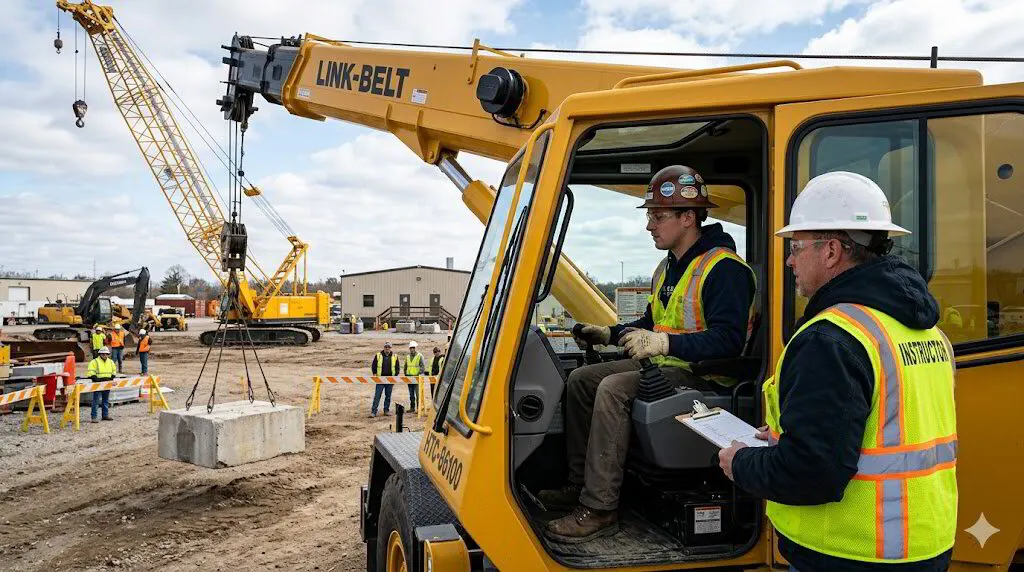 The Ultimate Guide to Crane Operator Field Training Programs: Certification & Career SuccessIn the ever-evolving construction industry, the need for certified crane operators is paramount, making effective…
-
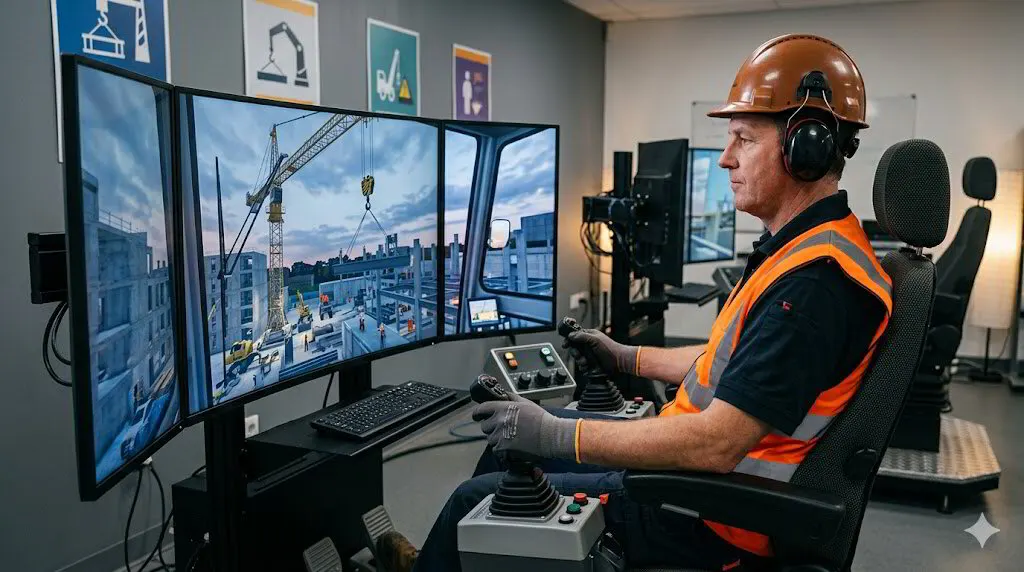 How Crane Simulators Enhance Operator Skills for Safer Construction PracticesAs the construction industry increasingly embraces technology, crane operator training has evolved significantly,…
-
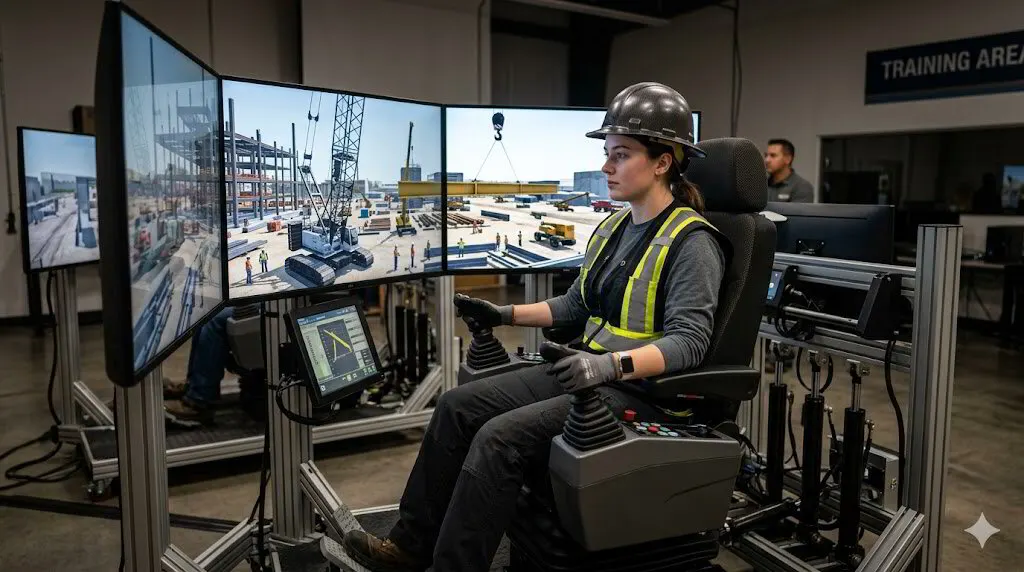 Unlocking Efficiency: The Benefits of Crane Simulator Training for Aspiring OperatorsCrane simulator training is revolutionizing the skill development of aspiring crane operators, offering a safe and…