
Crane safety training represents a comprehensive educational program designed to equip operators with the knowledge, skills, and protocols necessary to operate heavy lifting equipment safely and efficiently. This specialized training encompasses theoretical understanding of crane mechanics, practical hands-on experience, and thorough knowledge of safety regulations that govern the construction and heavy lifting industries.
The importance of crane safety training extends far beyond individual operator competence. For operators themselves, proper training provides the foundation for career advancement, personal safety, and professional confidence when handling complex lifting operations. Organizations benefit equally from investing in comprehensive crane operator training, as certified operators reduce operational risks, minimize equipment damage, enhance project efficiency, and ensure compliance with industry regulations. Companies that prioritize workplace safety training demonstrate their commitment to protecting their workforce while maintaining competitive advantages in securing contracts that require certified personnel and adherence to strict construction safety standards.
Understanding the Risks: Why Crane Safety Matters
The construction industry faces significant challenges regarding crane-related incidents, with statistics revealing the critical need for comprehensive safety protocols. According to the Occupational Safety and Health Administration (OSHA), crane accidents result in approximately 42 fatalities annually in the United States alone, with hundreds more workers suffering serious injuries. These incidents often involve catastrophic consequences, including structural collapses, electrocutions, and crushing injuries that could be prevented through proper heavy lifting safety measures.
Common causes of crane accidents stem from multiple factors that highlight the importance of crane safety training. Equipment failure accounts for roughly 20% of incidents, often resulting from inadequate maintenance or exceeding load capacities. Environmental hazards, including high winds, unstable ground conditions, and proximity to power lines, contribute to another 25% of accidents. However, the most significant factor remains human error, responsible for approximately 55% of all crane-related incidents.
Operator error manifests in various forms, including improper load calculations, failure to conduct pre-operational inspections, inadequate communication with signal persons, and poor judgment regarding weather conditions. These mistakes often occur when operators lack comprehensive training or fail to follow established crane safety protocols. Additionally, inexperienced operators may struggle with spatial awareness, load dynamics, and emergency response procedures. The complexity of modern crane operations demands thorough understanding of mechanical systems, load charts, and site-specific hazards that can only be acquired through structured crane operator training programs.
Key Components of Effective Crane
Safety Training
Comprehensive crane safety training programs must address fundamental operational principles that form the foundation of safe lifting practices. Basic crane operation principles include understanding load dynamics, center of gravity calculations, and the relationship between boom angle, load radius, and lifting capacity. Operators must master load chart interpretation, recognizing how various configurations affect crane stability and performance. Additionally, training covers mechanical systems knowledge, including hydraulic operations, counterweight functions, and outrigger positioning requirements that ensure stable lifting operations.
Safety protocols and hazard recognition constitute critical elements of effective training programs.
Operators learn systematic pre-operational inspection procedures, identifying potential equipment defects, fluid leaks, and structural damage that could compromise safety. Environmental hazard assessment becomes second nature through training that emphasizes weather monitoring, ground condition evaluation, and overhead obstruction identification. The importance of crane safety training becomes evident when operators demonstrate competency in establishing exclusion zones, coordinating with signal persons, and maintaining constant awareness of personnel locations during lifting operations.
Emergency procedures and response protocols prepare operators for unexpected situations that demand immediate, appropriate action. Training scenarios include power line contact procedures, load swing control techniques, and emergency lowering operations when mechanical failures occur. Operators practice communication protocols for coordinating evacuations, reporting incidents, and requesting emergency assistance. Fire suppression training ensures operators understand proper procedures when dealing with hydraulic fluid fires or electrical emergencies. Additionally, comprehensive programs address medical emergency responses, including procedures for accessing injured personnel in elevated positions and coordinating with emergency responders during rescue operations.
Equipment-specific training modules ensure operators understand the unique characteristics and limitations of different crane types. This specialized knowledge covers operational differences between mobile cranes, tower cranes, and lattice boom configurations, preparing operators for diverse job site requirements and enhancing their versatility in the construction industry.
NCCCO Certification: Elevating
Safety Standards
The National Commission for the Certification of Crane Operators (NCCCO) has established the industry standard for crane operator competency through comprehensive certification programs that validate operator knowledge and practical skills. The NCCCO certification process involves rigorous written examinations covering crane operation theory, load calculations, safety protocols, and regulatory compliance, followed by practical assessments that demonstrate hands-on operational competency. This dual-phase approach ensures certified operators possess both theoretical understanding and practical application skills necessary for safe crane operations.
Having NCCCO certified operators provides significant benefits for construction companies and heavy lifting organizations. Certified operators demonstrate proven competency in crane safety protocols, reducing the likelihood of accidents and equipment damage that can result in costly project delays and liability issues. Insurance providers often recognize NCCCO certification when calculating premiums, potentially reducing coverage costs for companies that maintain certified operator teams. Additionally, many construction contracts now require NCCCO certified operators, making certification essential for companies seeking to remain competitive in the marketplace.
The impact on company liability and insurance considerations cannot be overstated. Legal precedents increasingly hold companies responsible for ensuring operator competency, making NCCCO certification a crucial component of risk management strategies. Companies with certified operators can demonstrate due diligence in maintaining construction safety standards, potentially reducing liability exposure in the event of incidents. Furthermore, certified operators contribute to improved project efficiency through reduced downtime, fewer equipment repairs, and enhanced coordination with other trades, ultimately improving project profitability while maintaining the highest safety standards.
Different Types of Crane Safety
Training Programs
Mobile crane courses address the unique challenges associated with truck-mounted and rough terrain cranes commonly used in construction and industrial applications. These programs focus on setup procedures, outrigger positioning, load chart interpretation, and travel considerations that distinguish mobile cranes from stationary equipment. Students learn site preparation requirements, including ground bearing pressure calculations and slope limitations that ensure stable operations across diverse job sites.
Tower crane courses concentrate on the specialized knowledge required for operating these complex machines in urban construction environments. Training covers climbing procedures, load path planning in congested areas, and coordination with multiple trades working simultaneously on high-rise projects. The importance of crane safety training becomes particularly evident in tower crane operations, where operators must understand wind loading effects, building integration requirements, and emergency descent procedures.
Lattice crane courses prepare operators for heavy lifting applications requiring maximum capacity and reach capabilities. These specialized programs address boom assembly procedures, counterweight configurations, and complex rigging scenarios associated with large-scale industrial projects. Students gain expertise in load block selection, wire rope inspection, and multi-crane lifting operations that demand precise coordination and advanced planning skills.
Rigger and signal person certification programs complement crane operator training by ensuring effective communication and load handling throughout lifting operations. These courses cover hand signal standardization, radio communication protocols, and rigging hardware selection appropriate for various load types. Participants learn sling angle calculations, load balancing techniques, and hazard identification skills that contribute to overall lifting operation safety and efficiency.
Practical Training Sessions: The Importance of Real-World Experience
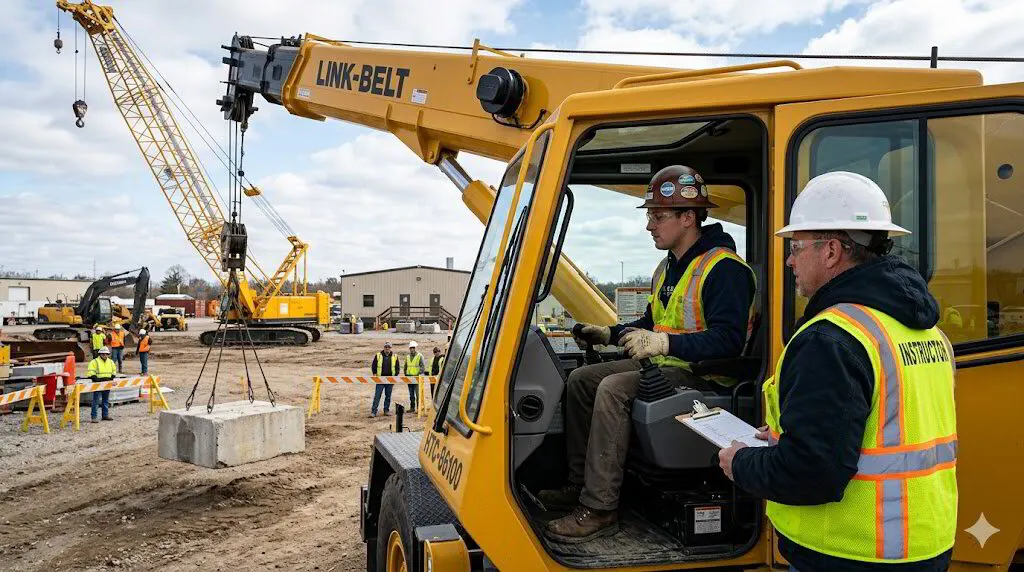
Hands-on practice with actual equipment provides irreplaceable learning opportunities that cannot be replicated through classroom instruction alone. Practical training sessions allow students to develop muscle memory for control operations, spatial awareness for load positioning, and confidence in equipment responses. Students practice routine operations including setup procedures, load handling techniques, and shutdown protocols while receiving immediate feedback from experienced instructors who can correct improper techniques before they become ingrained habits.
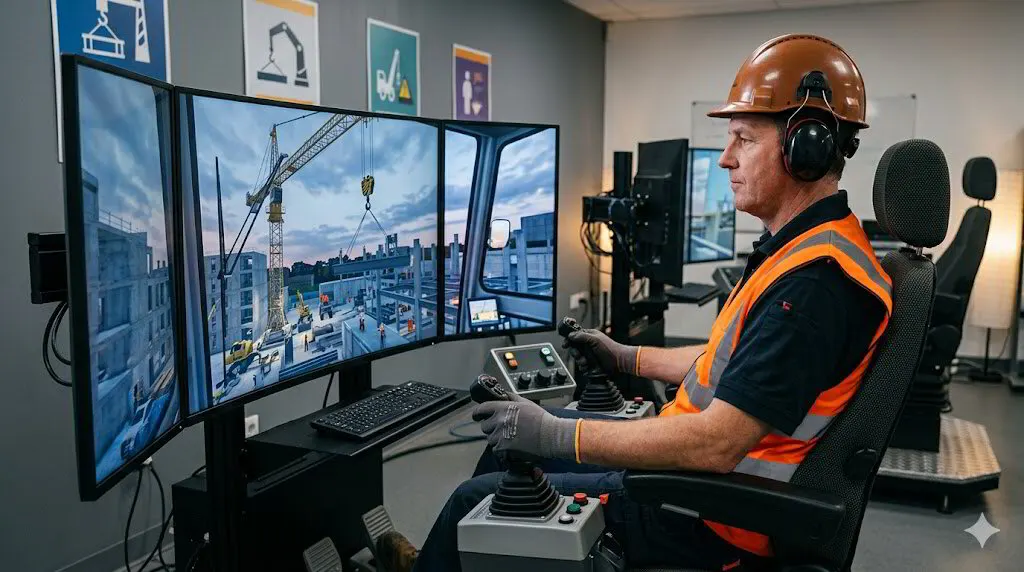
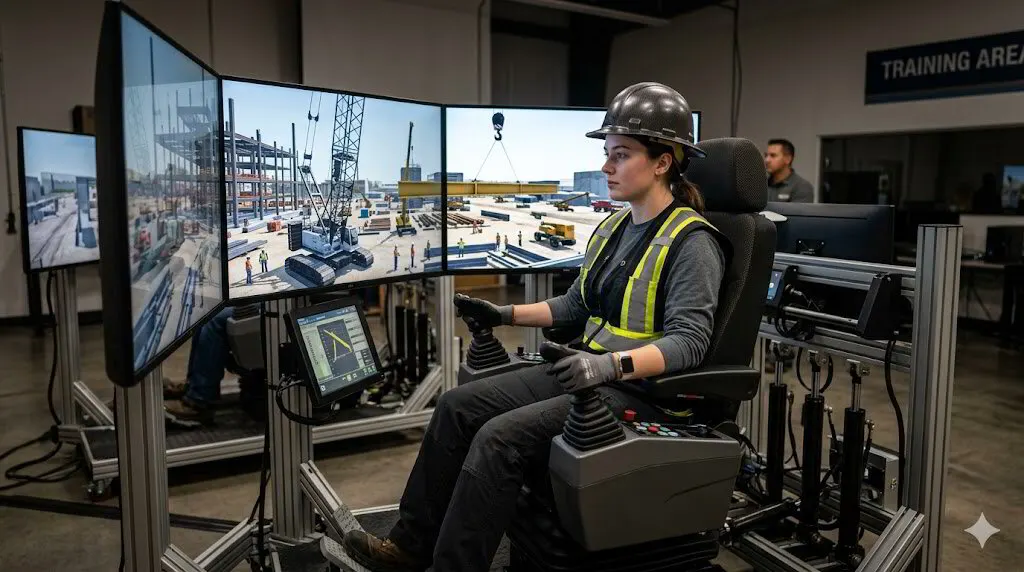
Simulated scenarios for risk management expose students to challenging situations in controlled environments where mistakes become learning opportunities rather than safety hazards. These exercises include emergency response drills, equipment malfunction scenarios, and adverse weather condition simulations that prepare operators for real-world challenges.
The importance of crane safety training becomes evident as students navigate complex lifting scenarios involving multiple obstacles, coordinated lifts, and time-sensitive operations that mirror actual job site conditions.
Assessment and feedback processes during practical sessions ensure students achieve competency standards before advancing to independent operations. Instructors evaluate technical skills, safety awareness, decision-making abilities, and communication effectiveness throughout training exercises. Detailed feedback helps students identify areas requiring additional practice while reinforcing proper techniques and safety protocols. This comprehensive evaluation process ensures graduates possess the skills and confidence necessary for safe, effective crane operations across various construction and industrial applications.
Continuous Education: Recertification
and Upskilling
The importance of keeping skills up-to-date cannot be overstated in an industry where technology, regulations, and safety standards continue evolving. Equipment manufacturers regularly introduce new features, control systems, and safety technologies that require operator familiarization and training updates. Additionally, regulatory changes and industry best practices emerge from ongoing research and incident analysis, necessitating continuous education to maintain current knowledge and competency levels.
NCCCO recertification requirements mandate ongoing education and periodic reassessment to ensure certified operators maintain their skills and knowledge throughout their careers.
Recertification training addresses regulatory updates, technological advances, and emerging safety protocols while providing opportunities to refresh fundamental skills that may deteriorate without regular use. This structured approach to upskilling in crane operations ensures operators remain current with industry standards and maintain their professional credentials.
Additional skills that enhance operator performance include specialized rigging techniques, load calculation software proficiency, and advanced communication technologies. Operators who pursue continuous education often develop expertise in specific crane types, complex lifting scenarios, or supervisory roles that advance their career prospects. Furthermore, cross-training in related disciplines such as rigging, signal person duties, and equipment maintenance creates more versatile professionals who contribute greater value to their employers while expanding their own employment opportunities within the construction and heavy lifting industries.
Conclusion: Investing in Crane Safety
Training
The evidence overwhelmingly demonstrates that comprehensive crane safety training represents a critical investment for both individual operators and organizations involved in heavy lifting operations. From reducing accident rates and preventing fatalities to ensuring regulatory compliance and enhancing operational efficiency, the benefits of proper training extend throughout every aspect of crane operations. NCCCO certification provides industry-recognized validation of operator competency while practical training sessions develop the real-world skills necessary for safe, effective equipment operation.
Organizations that prioritize workplace safety training through comprehensive crane operator programs position themselves for long-term success in competitive construction markets. The importance of crane safety training becomes evident through reduced insurance costs, improved project efficiency, and enhanced reputation for safety excellence that attracts quality clients and skilled personnel.
Miller Crane Works stands ready to partner with operators and organizations seeking to elevate their crane operation capabilities through comprehensive training programs. Our experienced instructors, state-of-the-art equipment, and proven curriculum ensure students receive the highest quality education in crane safety protocols and operational excellence. Contact Miller Crane Works today through our website at https://millercraneworks.com/ to explore our NCCCO certification courses, practical training sessions, and recertification programs that will advance your career and enhance your organization's safety performance.
-
 The Ultimate Guide to Crane Operator Field Training Programs: Certification & Career SuccessIn the ever-evolving construction industry, the need for certified crane operators is paramount, making effective…
-
 How Crane Simulators Enhance Operator Skills for Safer Construction PracticesAs the construction industry increasingly embraces technology, crane operator training has evolved significantly,…
-
 Unlocking Efficiency: The Benefits of Crane Simulator Training for Aspiring OperatorsCrane simulator training is revolutionizing the skill development of aspiring crane operators, offering a safe and…