
The National Commission for the Certification of Crane Operators (NCCCO) stands as the cornerstone of crane safety in the construction industry, establishing comprehensive standards that protect workers and ensure operational excellence. These NCCCO crane safety standards represent decades of industry expertise, regulatory compliance, and real-world application, creating a framework that has fundamentally transformed how crane operations are conducted across construction sites nationwide.
Understanding and implementing NCCCO crane safety standards is not merely a regulatory requirement—it's a professional responsibility that directly impacts worker safety, project efficiency, and organizational liability. These standards encompass everything from operator competency requirements to equipment inspection protocols, creating a holistic approach to crane safety that addresses both technical proficiency and practical application.
The significance of these standards extends beyond individual operators to encompass entire construction teams, project managers, and safety coordinators who rely on certified professionals to execute complex lifting operations safely. As construction projects become increasingly complex and crane technology continues to evolve, adherence to NCCCO standards ensures that safety practices keep pace with industry advancement while maintaining the highest levels of operational integrity and worker protection.
Understanding NCCCO Certification Levels
NCCCO offers multiple certification levels designed to accommodate various crane types, operational complexities, and professional development stages.
This certification requires candidates to demonstrate proficiency in load chart interpretation, crane setup procedures, operational safety protocols, and emergency response procedures. The tower crane certification focuses on both self-erecting and hammerhead tower cranes, emphasizing height-specific safety considerations and urban construction challenges.
Each certification level requires passing both written and practical examinations that test theoretical knowledge and hands-on operational skills.
Eligibility criteria vary by certification type but generally require a combination of documented operating experience, formal training completion, and demonstrated competency in crane operations. Candidates must provide verification of operating hours, complete approved training programs, and pass comprehensive examinations that evaluate both technical knowledge and practical application skills.
The benefits of obtaining NCCCO certification extend beyond regulatory compliance to include enhanced employment opportunities, increased earning potential, professional credibility, and reduced liability exposure. Certified operators command higher wages, enjoy greater job security, and contribute to safer work environments through their demonstrated competency and commitment to professional standards.
Key NCCCO Crane Safety Standards Explained
NCCCO crane safety standards encompass comprehensive operational protocols that address every aspect of crane operations, from pre-operational inspections to load handling procedures and emergency response protocols. These standards establish minimum competency requirements for crane operators while providing detailed guidelines for safe operational practices that protect both operators and surrounding personnel.
Pre-operational inspection standards require operators to conduct systematic equipment evaluations before each work shift, examining critical components including wire ropes, hooks, load blocks, outriggers, and hydraulic systems. These inspections must follow documented checklists that identify potential safety hazards and ensure equipment readiness for operational demands. Operators must understand inspection criteria, documentation requirements, and procedures for addressing identified deficiencies.
Load handling standards define proper procedures for calculating load weights, determining crane capacity limitations, and executing lifting operations within established safety margins. These standards require operators to interpret load charts accurately, account for environmental factors affecting crane stability, and implement proper rigging techniques that distribute loads safely throughout the lifting process.
Operational safety standards address crane positioning, swing radius control, communication protocols, and coordination with ground personnel. These standards emphasize the importance of maintaining clear communication channels, establishing exclusion zones around operating cranes, and implementing emergency stop procedures when safety conditions deteriorate.
Environmental considerations within NCCCO standards address wind speed limitations, ground condition requirements, and visibility restrictions that affect safe crane operations. Operators must understand how weather conditions impact crane stability and implement appropriate operational modifications to maintain safety standards throughout changing environmental conditions.
Documentation and reporting standards require operators to maintain accurate records of equipment inspections, operational activities, and safety incidents, creating accountability systems that support continuous safety improvement and regulatory compliance efforts.
Preparing for NCCCO Certification
Successful NCCCO certification preparation requires a structured approach that combines theoretical study, practical training, and hands-on experience with various crane types and operational scenarios. Candidates must develop comprehensive understanding of crane operations, safety protocols, and regulatory requirements while building practical skills through supervised training sessions and equipment practice time.
Recommended training programs should include classroom instruction covering load chart interpretation, crane stability principles, rigging fundamentals, and safety regulations. These programs provide essential theoretical knowledge while introducing candidates to industry best practices and operational standards that form the foundation of safe crane operations.
Study materials for NCCCO certification include official candidate handbooks, practice examinations, reference guides, and technical manuals that cover specific crane types and operational requirements. Candidates should utilize multiple study resources to reinforce learning objectives and ensure comprehensive preparation for both written and practical examinations.
Practical training sessions represent the most critical component of certification preparation, providing candidates with supervised experience operating actual crane equipment under realistic work conditions. These sessions allow candidates to apply theoretical knowledge while developing muscle memory and operational confidence essential for safe crane operations.
Equipment practice time should encompass various crane configurations, load types, and operational scenarios that candidates will encounter during certification testing and professional practice. This practice time helps candidates develop proficiency with different control systems, understand equipment limitations, and build confidence in their operational abilities.
Professional crane operator training programs offer structured preparation that combines classroom instruction with hands-on experience, providing candidates with comprehensive preparation for NCCCO certification examinations while building practical skills essential for successful crane operations careers.
Implementing NCCCO Standards in the Workplace
Successful implementation of NCCCO crane safety standards requires organizational commitment, comprehensive training programs, and systematic compliance monitoring that ensures consistent adherence to established safety protocols. Companies must develop internal policies that align with NCCCO standards while creating accountability systems that support ongoing compliance efforts.
Best practices for compliance include establishing written safety procedures that incorporate NCCCO standards, providing regular training updates for certified operators, and implementing inspection protocols that verify equipment readiness and operational safety. These practices create systematic approaches to safety management that reduce accident risks while maintaining regulatory compliance.
Creating a safe work environment requires coordination between certified crane operators, rigging personnel, signal persons, and project supervisors who share responsibility for maintaining safety standards throughout construction operations. This coordination involves establishing clear communication protocols, defining roles and responsibilities, and implementing emergency response procedures that protect all personnel involved in lifting operations.
Training staff in crane operations should extend beyond operator certification to include rigging certification and signal person training that ensures comprehensive safety coverage for all lifting operations. This comprehensive training approach creates teams of qualified professionals who understand their individual responsibilities while working together to maintain the highest safety standards.
Regular safety meetings, equipment inspections, and performance evaluations help maintain compliance with NCCCO standards while identifying opportunities for continuous improvement in safety practices and operational efficiency throughout construction projects.
Staying Updated with NCCCO Requirements
NCCCO certification requires ongoing maintenance through recertification programs that ensure operators maintain current knowledge of safety standards, regulatory changes, and industry best practices. Recertification demonstrates continued commitment to professional development while verifying that operators maintain the competency levels required for safe crane operations.
The importance of recertification extends beyond regulatory compliance to encompass professional growth, safety awareness, and adaptation to evolving industry standards. Regular recertification ensures that operators stay current with technological advances, regulatory updates, and safety innovations that improve operational effectiveness while reducing accident risks.
Continuing education resources include professional development courses, industry conferences, technical publications, and online training modules that provide ongoing learning opportunities for certified operators. These resources help operators expand their knowledge base while staying informed about industry trends and safety developments.
Updates to NCCCO standards reflect ongoing efforts to improve safety practices, incorporate technological advances, and address emerging industry challenges. Operators must stay informed about these updates through official NCCCO communications, industry publications, and professional training programs that provide detailed explanations of standard changes and implementation requirements.
Professional development opportunities through continuing education demonstrate commitment to excellence while providing operators with advanced skills that enhance career prospects and contribute to safer work environments throughout the construction industry.
Conclusion and Next Steps
NCCCO crane safety standards represent the foundation of professional crane operations, providing comprehensive guidelines that protect workers while ensuring operational excellence across the construction industry. Understanding and implementing these standards requires commitment to ongoing education, practical training, and professional development that extends throughout an operator's career. The investment in NCCCO certification and compliance pays dividends through enhanced safety performance, reduced liability exposure, and improved career opportunities for both individual operators and construction organizations.
Ready to advance your crane operation career with comprehensive NCCCO certification training? Miller Crane Works offers professional crane operator training programs that combine classroom instruction with hands-on practical experience, preparing you for successful NCCCO certification while building the skills essential for safe, professional crane operations.
Visit https://millercraneworks.com/ to explore our comprehensive training programs and take the next step toward NCCCO certification today.
-
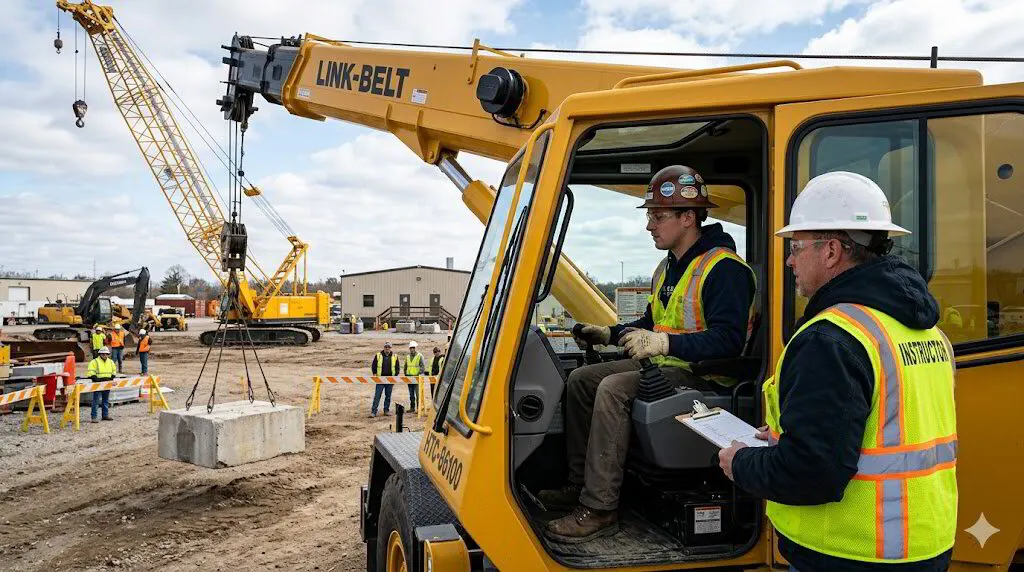 The Ultimate Guide to Crane Operator Field Training Programs: Certification & Career SuccessIn the ever-evolving construction industry, the need for certified crane operators is paramount, making effective…
-
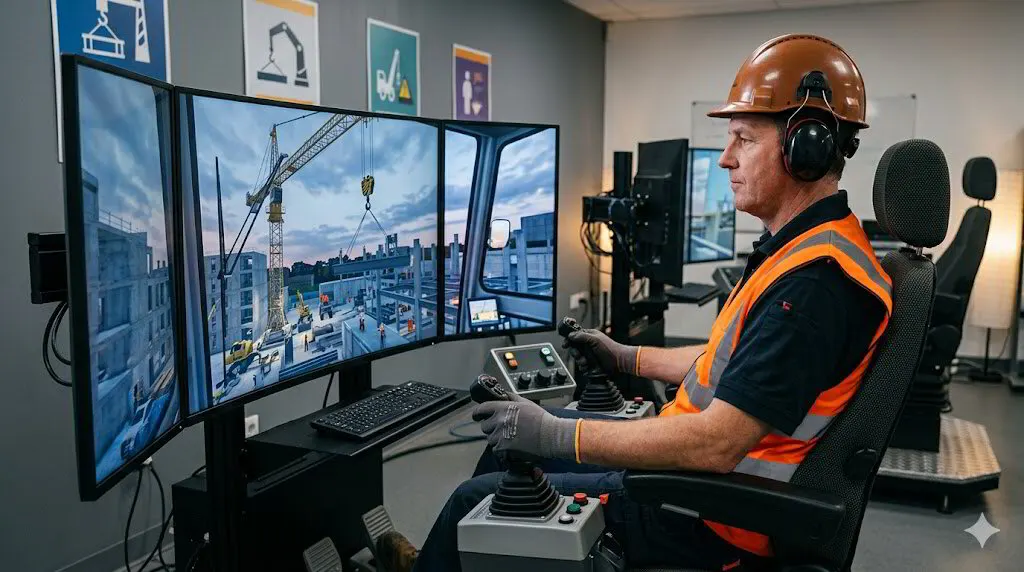 How Crane Simulators Enhance Operator Skills for Safer Construction PracticesAs the construction industry increasingly embraces technology, crane operator training has evolved significantly,…
-
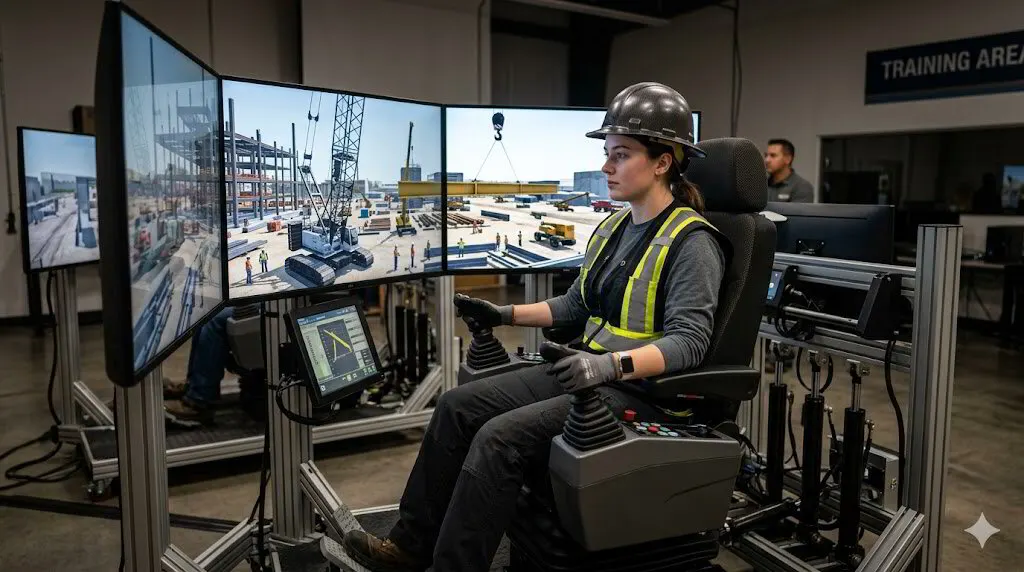 Unlocking Efficiency: The Benefits of Crane Simulator Training for Aspiring OperatorsCrane simulator training is revolutionizing the skill development of aspiring crane operators, offering a safe and…