The importance of continuous learning in crane operation cannot be overstated, especially in an industry where safety and precision are paramount. Did you know that nearly 30% of job site accidents involving cranes are attributed to operator error? This staggering statistic underscores the necessity for operators to stay informed about the latest technologies, regulations, and best practices. As construction sites evolve and new challenges arise, continuous education sets the stage for safer, more efficient crane operations. Whether it’s mastering the intricacies of new equipment or understanding changing safety regulations, investing in continuous learning is essential for both individual operators and the organizations they serve. In this blog post, we will explore the various facets of continuous learning in crane operation and its vital role in fostering skilled, knowledgeable operators ready to tackle the challenges of today’s dynamic work environments.
Understanding Crane Operation
Crane operation requires a diverse set of skills and knowledge to ensure safe and effective lifting practices. Different types of cranes—ranging from mobile cranes to tower cranes—each have unique operational demands and challenges. Recognizing these differences is essential for operators in the field.
Overview of Crane Types
- Mobile Cranes: These cranes are versatile and can be moved easily from one site to another.
- Tower Cranes: Commonly used in construction, these cranes offer greater lifting height and capacity.
Skills Required for Safe Operations To operate any crane safely, operators must possess specific skills, including:
- Strong understanding of load dynamics
- Proficiency in hand signals and communication
- Knowledge of safety regulations
- Ability to conduct pre-operation inspections
The Significance of Training and Certification One of the pivotal aspects related to the importance of continuous learning in crane operation is formal training and certification.
Importance of NCCCO Certification National Commission for the Certification of Crane Operators (NCCCO) certification is vital for professionals in this field. This certification not only enhances the operator's credentials but also boosts their confidence in handling cranes safely and effectively.
Regulatory Compliance and Safety Standards Compliance with local, state, and federal regulations is essential. Continuous learning helps operators stay updated with the latest safety standards, reducing the risk of accidents on job sites.
The Role of Continuous Learning In an industry characterized by rapid advancements, the role of continuous learning cannot be overstated.
Adaptation to New Technologies New technologies in crane operation, such as telematics and advanced lifting software, require operators to enhance their skills continually. Staying informed about these technologies can significantly improve operational efficiency and safety.
Keeping Up with Industry Changes The construction and heavy equipment industry evolves constantly. By committing to ongoing training, crane operators can keep pace with new regulations, techniques, and best practices, thereby reinforcing the importance of continuous learning in crane operation.
Enhancing Skills Through Ongoing Education
Continuous education provides many opportunities for crane operators to improve their skills over time.
Advanced Training Opportunities Operators can enroll in specialized courses that cover advanced techniques and emerging technologies. These can include:
- Courses on new crane models
- Safety protocol workshops
- Workshops focusing on load management
The Role of Hands-On Experience Practical experience is equally crucial. Training centers, such as Miller Crane Works, offer hands-on training that aligns with the latest industry standards. This blend of classroom learning and on-site practice is essential for developing skilled operators.
Benefits of Continuous Learning in Crane Operation The advantages of prioritizing continuous learning in crane operation extend beyond personal growth.
Increased Safety and Risk Management Regular training sessions reinforce safe practices, leading to fewer on-the-job accidents and injuries.
Improved Job Performance and Efficiency Operators who engage in continuous learning demonstrate improved productivity and better decision-making skills, ultimately benefiting their employers and clients.
By emphasizing the importance of continuous learning in crane operation, operators can ensure they maintain a competitive edge and promote a safer work environment. Committing to lifelong learning not only enhances personal skills but also upholds industry standards and safety protocols.
Creating a Culture of Learning in the
Workplace
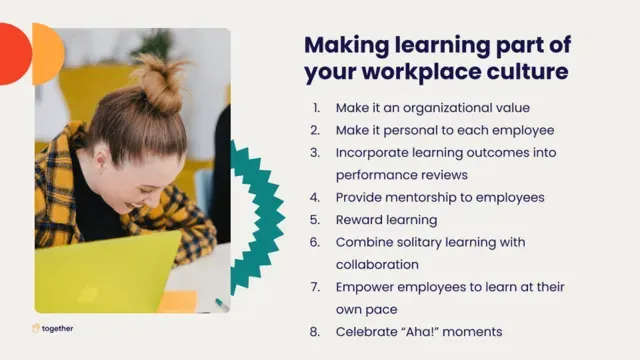
To harness the full potential of crane operators, companies must foster a culture that prioritizes continuous learning. This commitment not only enhances safety and compliance but also boosts employee morale and retention.
Encouraging Employee Development Organizations can implement several strategies to promote continuous learning among their crane operators:
- Regular Training Sessions: Schedule consistent employee training to keep skills sharp and updated.
- Mentorship Programs: Pairing less experienced operators with seasoned professionals can facilitate knowledge transfer and skill enhancement.
- Performance Feedback: Providing constructive feedback helps operators recognize areas for improvement and seek further training.
Implementing Training Programs A structured training program that highlights the importance of continuous learning in crane operation can be immensely beneficial. Some key components include:
- Initial Training: Comprehensive onboarding for new hires that covers essential skills and safety protocols.
- Ongoing Education: Offer advanced courses and specialized training for experienced operators to keep up with industry standards and new technologies.
- Certifications and Refreshers: Provide opportunities for operators to obtain or renew certifications, promoting both compliance and personal growth.
Resources for Continuous Learning A wealth of resources is available to support the continuous learning journey of crane operators.
Training Facilities and Courses Crane training facilities, such as Cranes101, provide specialized courses tailored to different crane types and operations. These programs are designed to ensure operators meet industry standards and maintain safety on job sites.
Online Learning Platforms In addition to in-person training, online learning platforms have emerged as valuable resources for professionals seeking to advance their skills. These platforms can offer flexibility, allowing operators to learn at their own pace while still meeting their job responsibilities.
By recognizing and addressing the importance of continuous learning in crane operation, employers can create a safer, more knowledgeable workforce. Investing in employee development not only benefits the operator but strengthens the entire organization’s operations.
Conclusion
The importance of continuous learning in crane operation cannot be overstated. As the construction and heavy lifting industries evolve, crane operators must adapt to new technologies and regulatory changes to ensure safety and efficiency on job sites. This commitment to ongoing education not only enhances individual skills but also contributes to the overall success of organizations.
Reinforcing the Importance of Continuous Learning Operators and employers alike should embrace the necessity of regular training and skill development. By prioritizing continuous learning, they can achieve:
- Safer Work Environments: Consistent training minimizes the risk of accidents and injuries.
- Enhanced Operational Efficiency: Well-trained operators make better decisions, leading to improved productivity.
- Increased Career Opportunities: Continuous education equips operators with the skills needed for career advancement and specialized roles.
Call to Action for Operators and Employers It is vital for both crane operators and their employers to take proactive steps in fostering a culture of learning. Employers can implement comprehensive training programs, while operators should actively seek out opportunities for growth.
Investing in training not only benefits the workforce but also contributes to the integrity and effectiveness of the entire industry. For more resources and information on crane operations and training, organizations like National Commission for the Certification of Crane Operators (NCCCO) can provide valuable guidance.
By committing to continuous learning, the future of crane operation will not only be safer but also more innovative and efficient.
Benefits of Continuous Learning in Crane Operation
Recognizing the importance of continuous learning in crane operation yields significant advantages for both operators and employers. Continuous education not only enhances operational safety but also boosts overall productivity.
Increased Safety and Risk Management One of the primary benefits of ongoing training is the enhancement of safety protocols. When operators are well-versed in the latest industry practices, they are better equipped to manage risks effectively. Key benefits include:
- Reduced Accidents: Regular training helps to minimize human error, which is a leading cause of crane-related accidents.
- Improved Safety Awareness: Engaging in continuous learning fosters a culture of safety, ensuring all team members are alert and aware of potential hazards.
- Up-to-Date Knowledge on Regulations: Continuous training ensures operators remain informed about changing laws and safety standards, reducing liability for employers.
Improved Job Performance and Efficiency Continuous learning translates directly to improved job performance. Operators who engage in regular training and skill development exhibit:
- Enhanced Problem-Solving Skills: Ongoing education equips operators to tackle unexpected challenges more effectively.
- Greater Proficiency with Equipment: Familiarity with new technologies and equipment leads to quicker and more precise operations.
- Boosted Confidence Levels: As operators gain knowledge and skills, their confidence in handling complex tasks increases, contributing to overall job satisfaction.
Long-Term Career Advancement Emphasizing the importance of continuous learning in crane operation also impacts the career trajectory of operators. Benefits here include:
- Expanded Career Opportunities: Operators who invest in their education are often considered for higher-level positions or specialized roles.
- Competitive Edge in Job Market: Continuous learning enables operators to differentiate themselves from others seeking employment in the field.
- Networking Opportunities: Training courses and workshops often provide opportunities to connect with industry professionals and potential employers.
By understanding and capitalizing on the benefits of continuous learning, both crane operators and employers can significantly elevate their performance and ensure a safer, more efficient working environment. For additional insights and resources, consider visiting OSHA, which provides valuable information on safety training and regulations in the construction industry.
Resources for Continuous Learning

Understanding the importance of continuous learning in crane operation is the first step;
however, accessing quality resources is critical to applying this knowledge effectively. Numerous avenues exist for crane operators to enhance their skills and stay current with industry trends.
Training Facilities and Courses One of the best ways to ensure continued education is through specialized training facilities.
These organizations offer courses tailored to various aspects of crane operation. Some notable resources include:
- Community Colleges: Many community colleges offer industrial training programs specializing in crane operations and safety.
- Private Training Organizations: Institutions, such as Cranes and Rigging Safety, provide targeted training workshops and certifications aimed at both new and experienced operators.
- Manufacturer-Specific Training: Crane manufacturers often provide educational programs to ensure operators understand the specific equipment they will be using.
Online Learning Platforms Digital platforms have revolutionized professional development, offering flexibility and a wealth of information. Some popular online resources include:
- Webinars: Many organizations conduct webinars focused on crane safety and operation techniques, allowing operators to learn from industry experts at their convenience.
- Online Courses: Websites like Udemy offer a variety of crane operation courses, which can be accessed from anywhere, making learning accessible to all operators.
Industry Conferences and Workshops Attending industry conferences and workshops allows professionals to network, learn about the latest technologies, and gain insights from peers. Benefits of these events include:
- Networking Opportunities: Meeting industry leaders and fellow operators can lead to collaborative learning and career advancement.
- Exposure to Innovations: Conferences often showcase new equipment and technologies, allowing operators to see the latest advancements in crane operation.
- Certification Opportunities: Many workshops also offer certifications that enhance an operator's qualifications and compliance with industry standards.
By leveraging these resources, crane operators can effectively embrace the importance of continuous learning in crane operation. Investing time in training and education not only benefits the individual operator but also contributes to creating safer and more efficient work environments. For more information on safety and training initiatives, consider visiting National Safety Council, which provides various resources for workplace safety and training.
The Future of Crane Operation and Learning
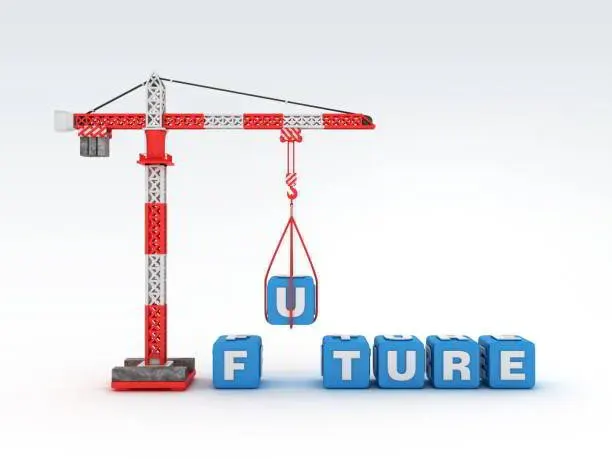
As technology continues to advance, the importance of continuous learning in crane operation grows even more critical. Innovations in equipment, software, and safety protocols necessitate that operators remain agile, knowledgeable, and ready to adapt.
Advancements in Technology Emerging technologies are transforming crane operations, making continuous learning an essential aspect of an operator's career. Key technological advancements include:
- Telematics: Integrated systems that provide real-time data on equipment performance, helping operators make informed decisions.
- Automation: The introduction of automated cranes and remote operation systems requires operators to learn new controls and procedures.
- Augmented Reality (AR): AR tools can assist operators in visualizing loads and understanding job site conditions better. Training in these technologies is crucial for effective usage.
Evolving Safety Standards With new equipment and technologies come new safety regulations. Continuous learning helps operators stay updated on evolving safety standards. Some areas of focus include:
- Regulatory Compliance: Operators must understand and comply with local and federal safety regulations, which can change frequently.
- Best Practices in Safety: Continued education fosters awareness of best practices and encourages a proactive approach to risk management.
- Emerging Hazards: As the industry evolves, so do the risks. Continuous training allows operators to recognize and mitigate new hazards effectively.
Lifelong Learning Culture Fostering a culture of lifelong learning within the organization not only benefits individual operators but also strengthens the entire workforce. Strategies to cultivate this culture include:
- Incentivizing Training Participation: Organizations can offer incentives for employees who engage in ongoing education, such as bonuses or recognition programs.
- Creating a Supportive Environment: Leadership should encourage open discussions about learning opportunities and provide resources for growth.
- Collaborative Learning: Encouraging teamwork in training sessions can enhance knowledge sharing and collective problem solving.
In conclusion, embracing the importance of continuous learning in crane operation is vital for both individual operators and organizations alike. By investing in education and training, the industry can adapt to future challenges and ensure safer, more efficient operations. For further insights into industry trends and safety initiatives, visit American Society of Safety Professionals (ASSP), which offers a wealth of resources for workplace safety and continuous improvement.
The Role of Employers in Supporting Continuous Learning
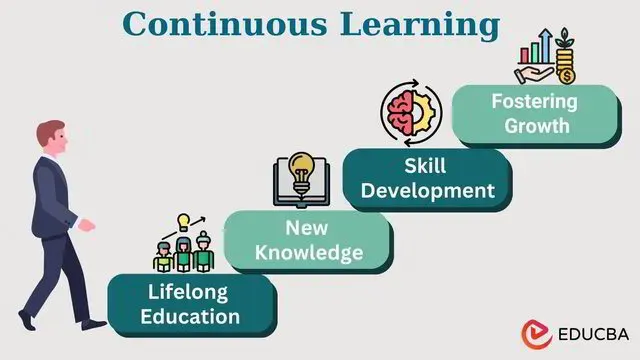
While individual operators must commit to continuous learning, employers play a crucial role in fostering an environment that prioritizes ongoing education. Recognizing the importance of continuous learning in crane operation not only helps in compliance with safety regulations but also promotes employee satisfaction and retention.
Creating Robust Training Programs Employers should develop comprehensive training programs that address the diverse needs of their crane operations. Key components of these programs include:
- Initial Training and Certification: New operators should undergo thorough onboarding that equips them with necessary certifications, such as NCCCO.
- Regular Refresher Courses: Periodic training sessions should be scheduled to update skills and reinforce safety practices among experienced operators.
- Specialized Skill Development: Employers can offer targeted training in advanced techniques or new technologies in cranes to ensure their workforce remains competitive.
Encouraging Professional Development Fostering a culture that encourages professional growth is essential for enhancing the skill set of crane operators. Strategies for promoting continuous learning include:
- Tuition Reimbursement Programs: Offer financial assistance for employees seeking further education or certification in crane operation.
- Access to Online Training Resources: Provide subscriptions to online training platforms that offer courses specific to crane operation and safety.
- Leadership and Mentorship Opportunities: Encourage seasoned operators to mentor less experienced colleagues, promoting knowledge sharing and professional development.
Evaluating Training Effectiveness To ensure that the training programs meet the learning objectives, employers should regularly evaluate their effectiveness. This can be achieved through:
- Feedback Mechanisms: Surveys and assessments can help gauge operators' satisfaction and the relevance of the training received.
- Performance Metrics: Track accident rates and job performance to determine the impact of training initiatives on safety and efficiency.
- Regular Review and Adaptation of Programs: Keep training materials and strategies up-to-date with current industry standards and technologies to maintain relevance.
By actively supporting the continuous learning journey of crane operators, employers not only underscore the importance of continuous learning in crane operation but also foster a safer, more skilled workforce. For inspiration on developing effective training programs, consider visiting The American National Standards Institute (ANSI), which provides resources and guidelines on workforce development and training best practices.
Adapting to Industry Changes through Continuous Learning
In the dynamic landscape of construction and heavy machinery, understanding the importance of continuous learning in crane operation is essential for adaptability. As technology, safety regulations, and operational methods evolve, operators must be equipped to meet new challenges head-on.
Keeping Pace with Technological Advancements The crane industry is constantly influenced by technological innovations that enhance performance and safety. Operators should focus on:
- Understanding New Equipment: Continuous learning empowers operators to familiarize themselves with the latest crane models and associated technologies.
- Utilizing Software Tools: Training in advanced software for operational management and load calculations can significantly improve efficiency.
- Embracing Automation: Familiarity with automated systems and telematics can lead to safer and more informed crane operations.
Navigating Regulatory Changes Constant updates in safety regulations and industry standards necessitate that crane operators remain informed and compliant. Continuous learning helps operators:
- Stay Informed on Legal Requirements: Regular training ensures that operators understand the latest OSHA regulations and industry practices.
- Implement Best Practices: Learning sessions focused on safety can foster a proactive approach to compliance and risk management.
- Participate in Safety Audits and Inspections: Continuous education prepares operators to engage actively in safety audits, ensuring all protocols are followed thoroughly.
Enhancing Problem-Solving Skills The nature of crane operation often presents unexpected challenges that require quick thinking and effective problem-solving. Continuous learning can enhance these skills through:
- Simulation Training: Engaging in realistic scenarios helps operators develop critical thinking and decision-making skills under pressure.
- Workshops on Troubleshooting Techniques: Specialized workshops can provide valuable strategies for diagnosing and addressing common equipment issues.
- Peer Learning Opportunities: Collaborating with others in the field can stimulate knowledge sharing and diverse perspectives on problem-solving approaches.
By prioritizing the importance of continuous learning in crane operation, operators can effectively adapt to industry changes, ensuring they remain competent and resilient. For more information on industry advancements and best practice guidelines, consider exploring the resources offered by the Crane Safety Association, which provides valuable insights into safe crane practices and professional development.
What is the importance of continuous learning in crane operation?
The importance of continuous learning in crane operation lies in enhancing safety, compliance, and efficiency. As technologies and regulations evolve, operators must remain updated on the latest practices to minimize risks and ensure optimal performance on job sites.
How can crane operators engage in continuous learning?
Crane operators can engage in continuous learning through various methods, such as participating in specialized training programs, enrolling in online courses, attending workshops, and obtaining certifications related to new equipment or safety standards.
What types of training programs are available for crane operators?
Training programs for crane operators include initial certification courses, refresher training sessions, and specialized skills development workshops. Many training facilities also offer hands-on experiences with new crane models and technologies.
How does continuous learning benefit employers in the crane industry?
For employers, supporting continuous learning leads to a safer work environment, reduced accident rates, and increased operational efficiency. A well-trained workforce also contributes to improved employee satisfaction and retention, ultimately benefiting the organization's bottom line.
Are there online resources available for crane operation training?
Yes, numerous online resources are available for crane operation training. Websites like platforms offering video tutorials, webinars, and courses focusing on various aspects of crane operation and safety make learning accessible and flexible for operators looking to enhance their skills.
Elevating Skills: The Importance of Continuous Training for Crane Operators with Miller Crane Works
In the ever-evolving world of crane operation, staying current with the latest safety standards, equipment technologies, and industry best practices is essential. At Miller Crane Works, we understand that training doesn’t end with certification—it’s an ongoing commitment to excellence. Continuous training not only helps crane operators maintain compliance with regulations but also sharpens their skills, reduces jobsite risks, and improves overall performance. Whether you're a seasoned operator or just starting out, investing in ongoing education ensures you stay ahead in a competitive field and operate with the highest level of confidence and safety.

-
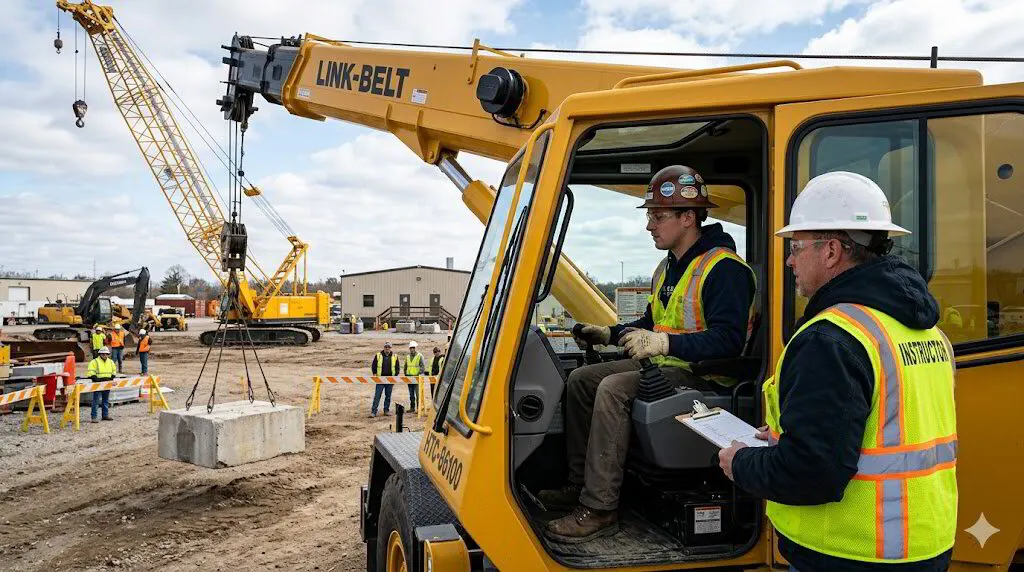 The Ultimate Guide to Crane Operator Field Training Programs: Certification & Career SuccessIn the ever-evolving construction industry, the need for certified crane operators is paramount, making effective…
-
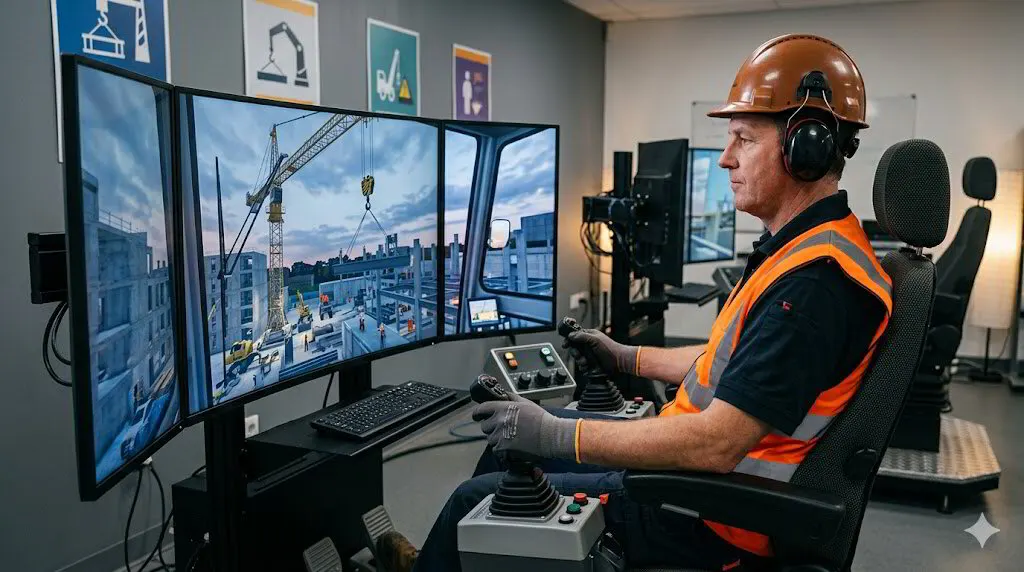 How Crane Simulators Enhance Operator Skills for Safer Construction PracticesAs the construction industry increasingly embraces technology, crane operator training has evolved significantly,…
-
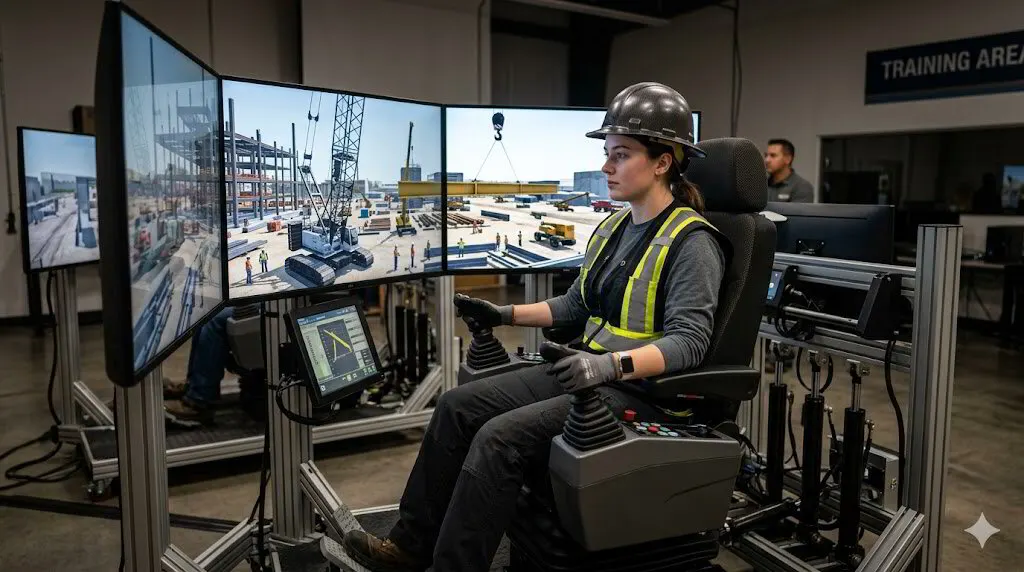 Unlocking Efficiency: The Benefits of Crane Simulator Training for Aspiring OperatorsCrane simulator training is revolutionizing the skill development of aspiring crane operators, offering a safe and…