
In the rapidly evolving construction industry, the demand for skilled crane operators continues to surge as infrastructure projects become increasingly complex and safety standards reach new heights. The critical nature of crane operations, where a single mistake can result in catastrophic consequences, makes comprehensive training not just beneficial but absolutely essential for anyone pursuing a career in this field.
Crane operator practical training serves as the cornerstone of professional development for aspiring operators, providing the hands-on experience necessary to master the intricate skills required for safe and efficient crane operation. Unlike theoretical knowledge alone, practical training bridges the gap between classroom learning and real-world application, ensuring operators can confidently handle the sophisticated machinery that defines modern construction sites.
The National Commission for the Certification of Crane Operators (NCCCO) has established rigorous standards that emphasize the importance of both written examinations and practical assessments. This dual approach recognizes that while theoretical understanding forms the foundation, practical proficiency determines an operator's true capability to perform safely and effectively in demanding work environments.
With numerous training providers offering various approaches to crane operator education, choosing the right program becomes crucial for career success. This comprehensive comparison examines different practical training courses, helping prospective operators and construction companies make informed decisions that align with their specific needs, schedules, and career objectives while ensuring compliance with industry standards and safety requirements.
What is Crane Operator Practical Training?
Crane operator practical training encompasses comprehensive hands-on instruction designed to develop the essential skills, knowledge, and competencies required for safe and efficient crane operation across various construction and industrial environments. This specialized form of heavy equipment operator training goes beyond theoretical classroom instruction, providing students with direct experience operating actual crane equipment under the supervision of certified instructors who possess extensive industry experience and expertise.
The core components of effective crane operator practical training include equipment familiarization, where students learn to identify and understand the functions of various crane components, controls, and safety systems. Pre-operational inspection procedures form another critical element, teaching operators to systematically evaluate crane condition, identify potential hazards, and ensure equipment readiness before beginning operations. Load calculation and capacity understanding represent fundamental skills that operators must master to prevent overloading and maintain stability during lifting operations.
Practical training sessions focus extensively on developing precise control techniques, including smooth load pickup, accurate positioning, and safe load placement. Students learn to interpret load charts, understand working radii limitations, and calculate lifting capacities under various operational conditions. Signal communication protocols receive significant attention, as operators must effectively coordinate with riggers and signal persons to ensure synchronized and safe lifting operations.
Construction safety training integration within practical programs addresses hazard recognition, emergency response procedures, and regulatory compliance requirements. Students learn to identify overhead power lines, unstable ground conditions, weather limitations, and other environmental factors that impact safe crane operation. Risk assessment skills development enables operators to evaluate job site conditions and make informed decisions about operational safety.
The hands-on experience gained through practical training provides invaluable benefits that cannot be replicated through simulation or classroom instruction alone. Students develop muscle memory for control operations, gain confidence in equipment handling, and learn to respond appropriately to unexpected situations that commonly arise in real-world construction environments. This experiential learning approach significantly reduces the learning curve when transitioning from training to actual employment, making newly certified operators more valuable to potential employers and increasing their career advancement opportunities.
Types of Crane Operator Training Courses
The crane training landscape encompasses several specialized course categories, each designed to address the unique operational requirements and safety considerations associated with different crane types and applications. Understanding these distinctions helps prospective operators choose appropriate training paths that align with their career goals and local market demands.
Mobile Crane Courses represent the most versatile and widely applicable training option, covering hydraulic truck cranes, rough terrain cranes, and all-terrain cranes commonly used across diverse construction projects. These comprehensive programs teach students to operate wheeled cranes that can be driven on public roads and positioned at various job sites. Mobile crane training emphasizes setup procedures, outrigger deployment, load chart interpretation, and travel considerations. Students learn to assess ground conditions, establish proper crane positioning, and execute complex lifts while maintaining stability and safety. The practical training component includes extensive hands-on experience with different mobile crane configurations, teaching operators to adapt their techniques to various manufacturer specifications and operational requirements.
Tower Crane Courses focus on the specialized skills required for operating fixed cranes commonly used in high-rise construction and urban development projects. These stationary cranes require different operational approaches compared to mobile equipment, emphasizing precision control, coordination with multiple trades, and long-term job site integration. Tower crane training covers climbing procedures, jib operation, load path planning, and coordination with building construction sequences. Students learn to work within confined urban spaces, manage multiple simultaneous lifts, and maintain awareness of surrounding structures and activities. The practical component includes simulator training combined with actual tower crane operation when available.
Lattice Crane Courses address the operation of crawler cranes and conventional truck cranes featuring lattice boom construction. These powerful machines handle the heaviest lifting applications in construction, requiring specialized knowledge of boom assembly, counterweight configuration, and load block management. Lattice crane training emphasizes capacity calculations, boom angle optimization, and complex rigging scenarios. Students learn to operate cranes with multiple boom lengths, understand load block and ball positioning, and execute precision lifts in challenging environments.
Rigger and Signal Person Certification training complements crane operator education by developing the communication and coordination skills essential for safe lifting operations. This specialized training teaches proper rigging techniques, load attachment methods, and standardized hand signals used to direct crane operations. Students learn to calculate load weights, select appropriate rigging hardware, and establish effective communication protocols with crane operators. The practical training includes hands-on rigging practice, signal demonstration, and coordinated lifting exercises that simulate real-world construction scenarios.
Each course type incorporates NCCCO certification preparation, ensuring students meet national standards for their chosen specialization while developing the practical competencies necessary for immediate employment and long-term career success in the crane operation field.
Comparison Criteria for Practical Training Courses
When evaluating crane operator practical training programs, several critical factors determine the overall quality, effectiveness, and value of the educational experience. These comparison criteria help prospective students and employers identify programs that deliver comprehensive preparation for NCCCO certification and successful career advancement in crane operations.
Training Duration and Schedule Flexibility significantly impact accessibility and completion rates for working professionals seeking to upskill in crane operations. Quality programs offer various scheduling options, including intensive full-time courses for rapid certification, part-time evening or weekend sessions for employed individuals, and modular programs allowing students to progress at their own pace. The optimal training duration balances comprehensive skill development with practical time constraints, typically ranging from two to eight weeks depending on course intensity and crane type specialization.
Cost Structure and Certification Value represent crucial considerations for students and sponsoring employers. Comprehensive cost analysis should include tuition fees, equipment usage charges, certification examination fees, and potential additional expenses such as materials or accommodation. Value assessment extends beyond initial costs to consider long-term return on investment through increased earning potential, career advancement opportunities, and employer recognition of certification credentials.
Instructor Qualifications and Industry Experience directly influence training quality and practical relevance. Superior programs employ instructors who maintain current NCCCO certifications, possess extensive field experience across various crane types and applications, and demonstrate effective teaching capabilities. Instructor-to-student ratios impact individual attention and hands-on practice opportunities, with smaller class sizes generally providing more personalized instruction and equipment access time.
Facilities and Equipment Availability determine the scope and realism of practical training experiences. Well-equipped training centers feature multiple crane types, varied terrain conditions, and realistic job site simulations that prepare students for diverse operational challenges. Modern equipment exposure ensures students learn current technology and industry-standard practices, while diverse crane inventory allows comprehensive hands-on experience across different manufacturer specifications and operational characteristics.
Training Location Accessibility and Geographic Coverage affect program accessibility for students from various regions. Providers offering multiple training locations, mobile training units, or partnerships with local facilities increase accessibility for rural or remote students. Transportation considerations, accommodation availability, and proximity to student populations influence overall program feasibility and completion rates.
Miller Crane Works does not offer job placement. Programs offering employer connections, resume assistance, and career counseling provide additional value beyond basic certification preparation, supporting students throughout their career development journey in the crane operation field.Comparing Leading Training Providers
The crane operator training market features several established providers, each offering distinct approaches to practical education and certification preparation. This comprehensive comparison examines the strengths, weaknesses, and unique characteristics of leading training organizations to help prospective students make informed decisions.
Miller Crane Works stands out as a premier provider of comprehensive crane operator practical training, offering specialized programs across multiple crane categories with emphasis on hands-on experience and real-world application. The company's training philosophy centers on practical skill development through extensive equipment practice time, ensuring students gain confidence and competency before entering the workforce. Miller Crane Works provides mobile crane courses covering hydraulic truck cranes, rough terrain cranes, and all-terrain configurations, with dedicated instruction on setup procedures, load chart interpretation, and advanced operational techniques.
The tower crane courses offered by Miller Crane Works address the growing demand for high-rise construction specialists, featuring both simulator training and actual tower crane operation when available. Their lattice crane programs prepare students for heavy lifting applications, emphasizing capacity calculations, boom assembly procedures, and complex rigging scenarios. Additionally, Miller Crane Works provides comprehensive rigger and signal person certification training, ensuring students understand the critical communication and coordination aspects of safe crane operations.
Miller Crane Works distinguishes itself through flexible scheduling options accommodating working professionals, competitive pricing structures with transparent cost breakdowns, and experienced instructors who maintain current certifications while possessing extensive field experience. The company's training facilities feature modern equipment, realistic job site simulations, and small class sizes ensuring personalized attention and maximum hands-on practice opportunities.
Competitor Analysis reveals that while several national training organizations offer crane operator certification programs, many focus primarily on written examination preparation with limited practical training components. Some providers rely heavily on simulation technology rather than actual equipment operation, potentially limiting students' real-world preparedness. Others operate large-scale programs with high instructor-to-student ratios that may compromise individual attention and practice time.
Regional training centers often provide location convenience but may lack comprehensive equipment inventories or experienced instructor staff. Some programs offer accelerated certification timelines that may sacrifice thorough skill development for rapid completion, potentially leaving students inadequately prepared for complex operational challenges.
Institutional Training Programs through community colleges and trade schools typically offer longer-duration programs with broader construction industry context but may lack current industry connections and modern equipment. These programs often integrate crane operation training within general heavy equipment curricula, potentially diluting specialized crane operation focus.
Manufacturer-Sponsored Training provides excellent equipment-specific knowledge but may lack broader industry perspective and multi-manufacturer exposure essential for versatile career development. These programs often focus on equipment operation rather than comprehensive safety protocols and industry best practices.
The comparison reveals that Miller Crane Works offers a balanced approach combining comprehensive practical training, flexible scheduling, experienced instruction, and competitive pricing while maintaining focus on NCCCO certification preparation and real-world skill development that prepares students for immediate employment and long-term career success.
Real-World Applications of Training
The practical impact of comprehensive crane operator training extends far beyond certification achievement, creating measurable improvements in workplace safety, operational efficiency, and career advancement opportunities that benefit both individual operators and their employing organizations. Success stories from certified crane operators demonstrate the transformative power of quality practical training in establishing sustainable, rewarding careers in the construction industry.
Recent graduates from rigorous crane operator practical training programs consistently report accelerated career progression and increased earning potential compared to operators who learned through informal apprenticeships or limited training experiences. Certified operators typically command higher wages, receive priority consideration for complex projects, and advance more quickly to supervisory or specialized positions within their organizations. Construction companies increasingly recognize the value of formally trained operators, often offering hiring preferences, signing bonuses, and enhanced benefits packages to attract certified professionals.
Construction Safety Training integration within comprehensive programs produces measurable improvements in job site safety records and incident prevention. Operators who complete thorough practical training demonstrate superior hazard recognition skills, implement proper safety protocols consistently, and maintain better equipment maintenance practices. Insurance providers frequently offer reduced premiums for companies employing certified operators, recognizing the correlation between formal training and reduced claim frequency.
Statistical analysis of construction accidents reveals that properly trained crane operators experience significantly lower incident rates compared to uncertified operators, with formal training programs reducing operational accidents by up to forty percent according to industry safety studies. These improvements stem from enhanced decision-making capabilities, better equipment understanding, and systematic approach to risk assessment that characterizes professionally trained operators.
The enhanced employability resulting from comprehensive practical training creates opportunities across diverse construction sectors, from commercial building construction to infrastructure development, industrial facility construction, and specialized heavy lifting applications. Certified operators report greater job security, increased project variety, and expanded geographic opportunities as their credentials transfer across state boundaries and international markets.
Quality training programs also prepare operators for technological advances in crane operation, including computerized load monitoring systems, GPS positioning technology, and advanced safety systems that characterize modern equipment. This technological preparation ensures certified operators remain current with industry developments and maintain competitive advantages throughout their careers.
Conclusion
The critical importance of selecting appropriate crane operator practical training cannot be overstated in today's demanding construction environment, where safety requirements, technological complexity, and operational precision continue to evolve rapidly. This comprehensive comparison demonstrates that quality practical training programs provide essential foundations for successful crane operation careers while contributing significantly to overall construction industry safety and efficiency standards.
The evidence clearly indicates that hands-on training experiences, combined with thorough theoretical preparation and NCCCO certification, create operators who possess both the technical competencies and practical judgment necessary for safe, efficient crane operation across diverse construction applications. Programs emphasizing extensive equipment practice time, experienced instruction, and real-world scenario preparation consistently produce graduates who transition successfully into immediate employment while maintaining strong safety records throughout their careers.
The comparison of training providers reveals significant variations in program quality, practical training emphasis, and long-term student support that directly impact career outcomes and professional development opportunities. Prospective operators and sponsoring employers must carefully evaluate training options based on comprehensive criteria including instructor qualifications, equipment availability, scheduling flexibility, and demonstrated graduate success rates.
Miller Crane Works emerges as a leading choice for comprehensive crane operator practical training, offering the balanced combination of hands-on experience, flexible scheduling, experienced instruction, and competitive pricing that supports both immediate certification goals and long-term career development objectives. Their commitment to practical skill development through extensive equipment practice time ensures graduates possess the confidence and competency required for immediate employment and continued professional growth.
The investment in quality crane operator training yields substantial returns through enhanced safety performance, increased earning potential, expanded career opportunities, and contribution to overall construction industry professionalism and safety standards.
Ready to advance your career with comprehensive crane operator practical training? Join Miller Crane Works' next training session and gain the hands-on experience and NCCCO certification that leading construction companies demand.
Visit https://millercraneworks.com/ to explore our complete range of crane operator certification programs, including mobile crane courses, tower crane training, and rigger certification. Our experienced instructors and modern training facilities provide the practical skills and industry knowledge you need for immediate employment and long-term career success. Don't wait – secure your spot in our next practical training session today and take the first step toward a rewarding career in crane operations!
-
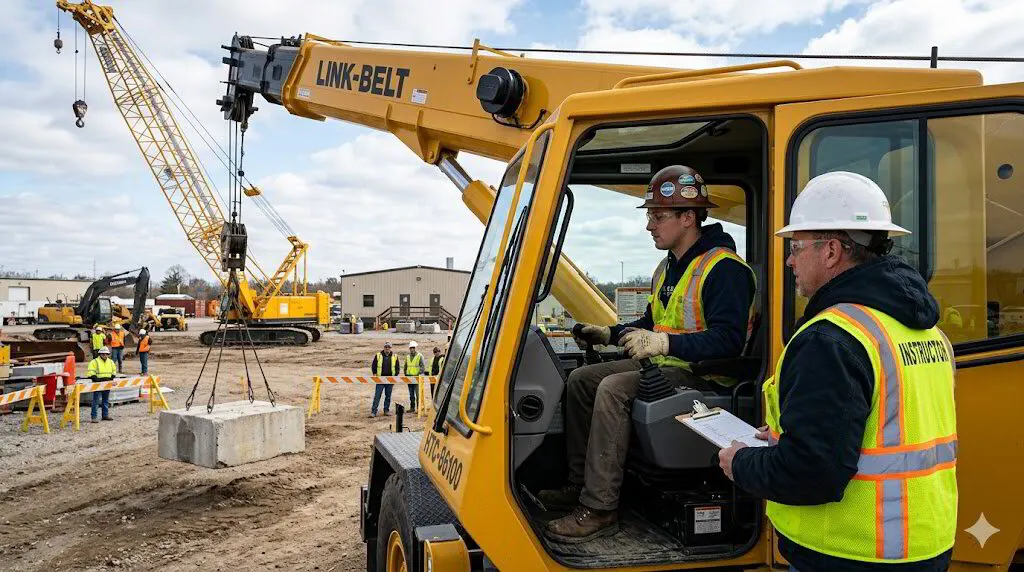 The Ultimate Guide to Crane Operator Field Training Programs: Certification & Career SuccessIn the ever-evolving construction industry, the need for certified crane operators is paramount, making effective…
-
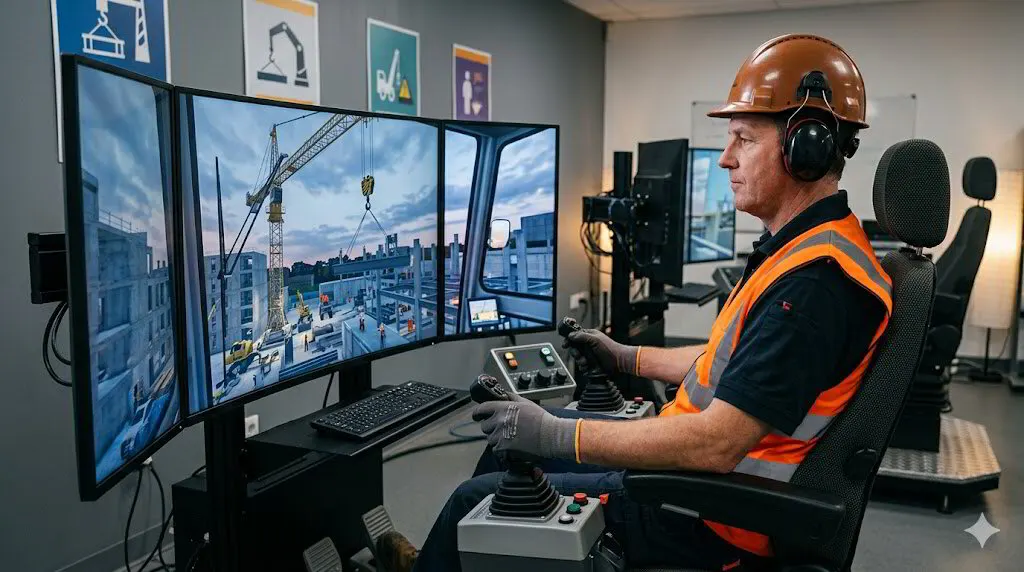 How Crane Simulators Enhance Operator Skills for Safer Construction PracticesAs the construction industry increasingly embraces technology, crane operator training has evolved significantly,…
-
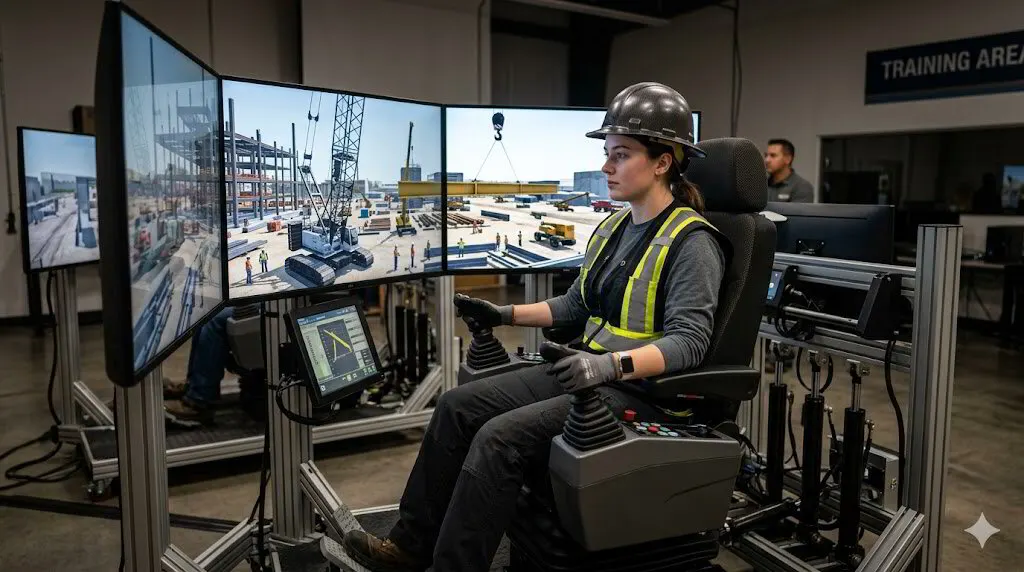 Unlocking Efficiency: The Benefits of Crane Simulator Training for Aspiring OperatorsCrane simulator training is revolutionizing the skill development of aspiring crane operators, offering a safe and…