
Tower cranes stand as towering sentinels over construction sites worldwide, representing some of the most complex and critical equipment in the construction industry. These massive machines, capable of lifting multi-ton loads hundreds of feet into the air, require operators with exceptional skill, precision, and safety awareness. Unlike mobile cranes that can be moved between job sites, tower cranes are fixed installations that become integral parts of major construction projects, from high-rise buildings to infrastructure developments.
The operation of tower cranes demands a unique combination of technical knowledge, spatial awareness, and split-second decision-making abilities. Operators must understand load dynamics, weather conditions, communication protocols, and safety procedures while maintaining constant vigilance over complex construction environments. Given these demanding requirements, the importance of comprehensive training cannot be overstated.
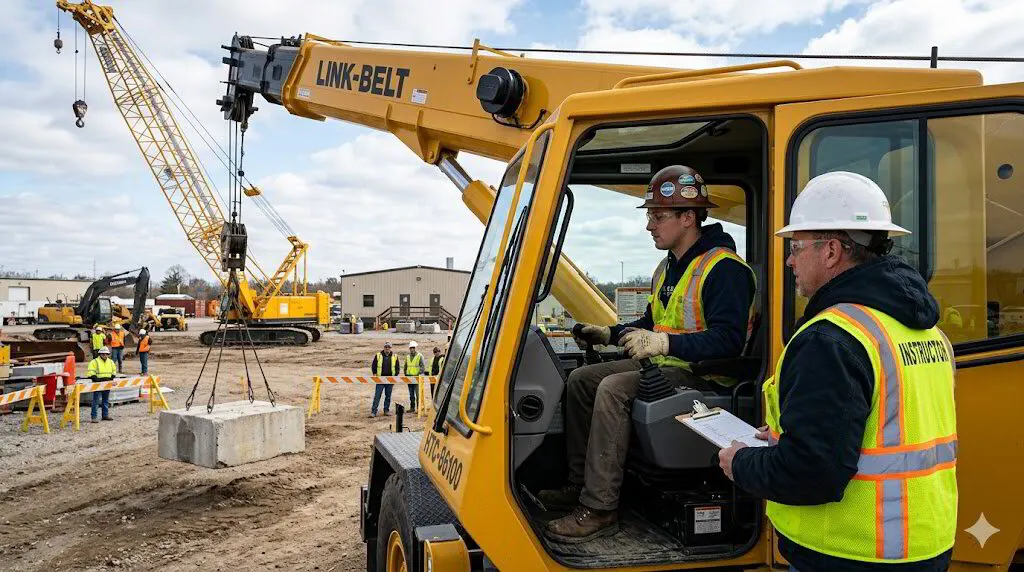
Hands-on training for tower cranes represents the gold standard in crane operator education, providing aspiring operators with direct experience operating actual equipment under controlled conditions. This practical approach bridges the gap between theoretical knowledge and real-world application, ensuring operators develop the muscle memory, confidence, and situational awareness necessary for safe and efficient crane operation. Through hands-on training, operators gain invaluable experience that simply cannot be replicated through classroom instruction alone.
Benefits of Hands-On Training for Tower Cranes
Hands-on training for tower cranes delivers tangible benefits that directly translate to improved operator performance and workplace safety. The most significant advantage lies in skill enhancement through direct equipment interaction. When operators physically manipulate controls, feel the machine's responses, and experience the nuances of load handling, they develop an intuitive understanding of crane behavior that theoretical training cannot provide. This tactile learning creates neural pathways that enable quick, accurate responses during actual operations.
Safety awareness reaches new heights through practical training experiences. Operators who participate in hands-on crane training witness firsthand how environmental factors affect crane stability, how improper load handling creates dangerous situations, and how communication breakdowns can lead to accidents. These real-world observations create lasting impressions that reinforce safety protocols far more effectively than written materials or video presentations.
The preparation for actual working conditions represents another crucial benefit of hands-on training. Construction sites present unique challenges including varying weather conditions, complex load configurations, and dynamic work environments. Through practical training sessions, operators encounter simulated versions of these real-world scenarios, developing problem-solving skills and adaptability that prove invaluable during actual operations.
Confidence building through hands-on experience cannot be understated. Operating tower cranes requires decisive action and calm judgment under pressure. When operators have extensive practical experience, they approach challenging situations with greater self-assurance and competence. This confidence translates directly to improved safety outcomes and operational efficiency, benefiting both individual operators and construction projects overall.
Comparison of Training Methods for Tower Cranes
Traditional classroom training versus hands-on training presents a fundamental choice in crane operator education, each offering distinct advantages and limitations. Classroom instruction excels at delivering theoretical knowledge, safety regulations, and technical specifications efficiently to large groups of students. Students learn about load charts, inspection procedures, and regulatory requirements through structured presentations and written materials. However, classroom training falls short in developing the practical skills and muscle memory essential for actual crane operation.
Hands-on training for tower cranes addresses these limitations by providing direct equipment experience, but requires significant investment in equipment, facilities, and instructor time. The immersive nature of practical training creates deeper learning experiences, though it typically accommodates fewer students simultaneously and demands higher per-student costs.
On-the-job training versus simulated training environments presents another critical comparison. On-the-job training offers authentic work conditions and real project pressures, providing operators with genuine construction site experience. However, this approach can compromise safety during the learning process and may not expose students to the full range of scenarios they might encounter throughout their careers.
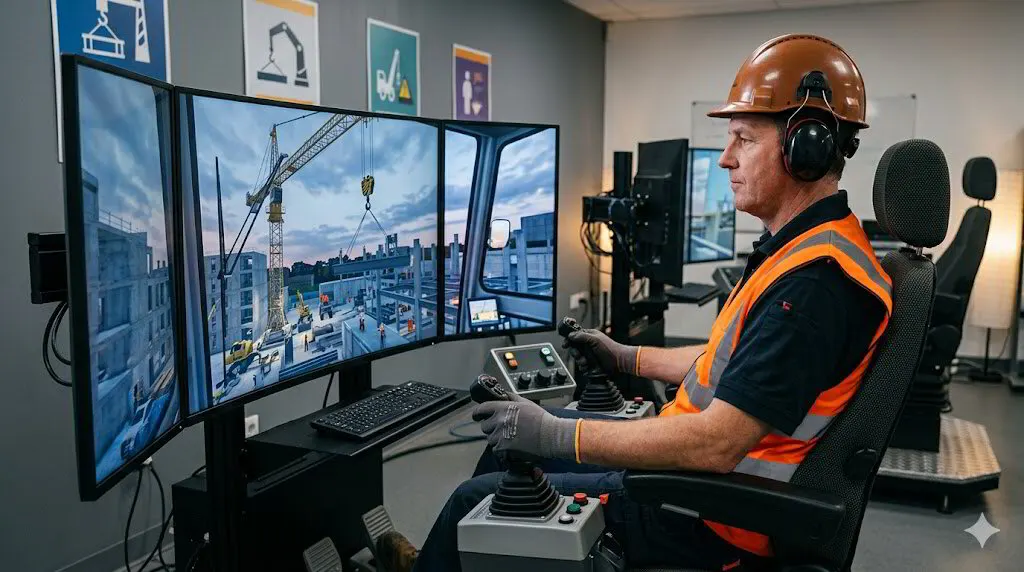
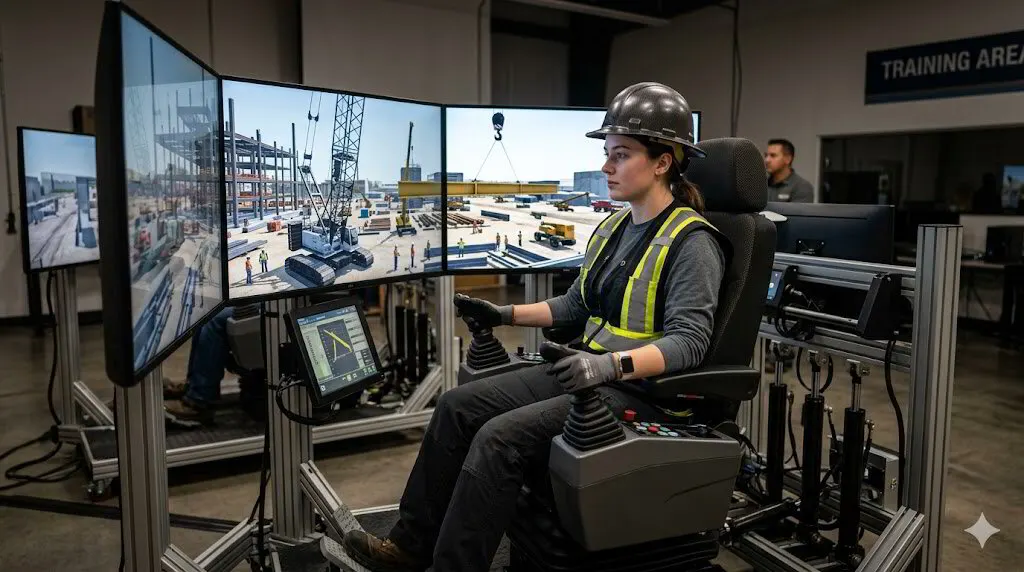
Simulated training environments, including controlled hands-on training facilities, offer the best of both worlds. These environments provide realistic equipment operation without the safety risks and time pressures of active construction sites. Students can practice complex maneuvers, experience emergency procedures, and make mistakes in controlled settings where learning takes precedence over productivity.
The most effective training programs combine multiple methods, starting with classroom instruction for foundational knowledge, progressing to hands-on training for skill development, and culminating in supervised on-the-job experience. This comprehensive approach ensures operators receive thorough preparation for the demands of professional crane operation.
Importance of Certification in Crane Operation
NCCCO certification represents the industry standard for crane operator competency, providing employers and operators with recognized credentials that demonstrate professional capability. The National Commission for the Certification of Crane Operators has established rigorous standards that ensure certified operators possess both theoretical knowledge and practical skills necessary for safe crane operation. This certification process includes written examinations covering safety regulations, load calculations, and equipment specifications, followed by practical assessments that evaluate actual operating abilities.
Certification proves crucial for operators seeking career advancement and employment opportunities. Most major construction companies, industrial facilities, and infrastructure projects require NCCCO certification as a minimum qualification for crane operators. This requirement reflects the industry's commitment to safety and professional standards, as certified operators demonstrate measurable competency levels that reduce liability risks and improve operational outcomes.
Employers benefit significantly from hiring certified operators through reduced insurance costs, improved safety records, and enhanced project efficiency. Certified operators require less supervision, make fewer operational errors, and contribute to positive safety cultures on construction sites. Additionally, many jurisdictions mandate certified operators for specific types of crane operations, making certification a legal requirement rather than merely a professional preference.
The certification process itself reinforces the importance of comprehensive training, as operators must demonstrate both knowledge and practical skills to achieve certification.
This dual requirement underscores why hands-on training components are essential for successful certification outcomes.
Practical Training Sessions at Miller Crane Works
Miller Crane Works has developed comprehensive hands-on training programs specifically designed to prepare operators for tower crane certification and professional success. Our practical training sessions utilize actual tower crane equipment in controlled environments that simulate real construction site conditions without compromising safety or learning objectives. These sessions provide extensive equipment practice time, allowing students to develop familiarity with various tower crane configurations and operating scenarios.
Our training approach incorporates real-life construction scenarios that operators encounter in professional settings. Students practice complex load handling procedures, coordinate with signal persons and riggers, and navigate challenging placement requirements under expert instruction. These scenarios include high-wind operations, precision placement exercises, and emergency response procedures that build comprehensive operational competency.
The equipment practice time at Miller Crane Works extends beyond basic operation to include pre-operational inspections, routine maintenance procedures, and troubleshooting common equipment issues. This comprehensive approach ensures operators understand not only how to operate tower cranes but also how to maintain them properly and identify potential problems before they become safety hazards.
Our instructors bring decades of professional crane operation experience to each training session, providing insights and techniques that can only be gained through extensive field experience. This mentorship aspect of our hands-on training creates learning opportunities that extend far beyond standard curriculum requirements, preparing operators for the realities of professional crane operation in diverse construction environments.
Conclusion: Choosing the Right Training Program
The evidence overwhelmingly supports hands-on training for tower cranes as the superior method for developing competent, confident, and safe operators. While classroom instruction provides essential theoretical foundations, only practical training can develop the muscle memory, spatial awareness, and decision-making abilities required for professional crane operation. The investment in comprehensive hands-on training pays dividends through improved safety outcomes, enhanced operational efficiency, and greater career opportunities for certified operators.
Construction companies and individual operators must recognize that quality training represents an investment in long-term success rather than a short-term expense.
Comprehensive training programs that combine theoretical instruction with extensive practical experience produce operators who contribute positively to project outcomes while maintaining the highest safety standards. The construction industry's increasing complexity and safety requirements make thorough training more critical than ever before.
NCCCO certification serves as both a goal and a validation of training effectiveness, providing measurable standards that benefit operators, employers, and the construction industry overall.
However, certification represents just the beginning of a professional development journey that requires ongoing education and skill refinement throughout an operator's career.
Choosing the right training program requires careful consideration of hands-on training components, instructor qualifications, equipment availability, and certification preparation support. Programs that prioritize practical experience while maintaining rigorous safety standards provide the best foundation for successful crane operation careers.
Ready to advance your crane operation career with comprehensive hands-on training?
Contact Miller Crane Works today to learn about our tower crane certification programs and discover how our practical training approach can prepare you for professional success. Visit https://millercraneworks.com/ to explore our full range of crane operator training, NCCCO certification courses, and specialized programs designed for construction professionals seeking excellence in crane operations.**
-
 The Ultimate Guide to Crane Operator Field Training Programs: Certification & Career SuccessIn the ever-evolving construction industry, the need for certified crane operators is paramount, making effective…
-
 How Crane Simulators Enhance Operator Skills for Safer Construction PracticesAs the construction industry increasingly embraces technology, crane operator training has evolved significantly,…
-
 Unlocking Efficiency: The Benefits of Crane Simulator Training for Aspiring OperatorsCrane simulator training is revolutionizing the skill development of aspiring crane operators, offering a safe and…