
In the fast-paced construction and heavy lifting industry, safety and expertise are paramount. Whether you're an aspiring crane operator looking to launch your career or a construction professional seeking to advance your skills, understanding the landscape of crane operator certification courses is essential for success. The construction industry demands highly skilled operators who can handle complex machinery while maintaining the highest safety standards, making proper certification not just beneficial but often mandatory.
The path to becoming a certified crane operator involves comprehensive training programs designed to equip professionals with both theoretical knowledge and practical expertise. These certification courses cover everything from basic safety protocols to advanced operational techniques, ensuring operators can confidently handle various types of cranes in diverse working environments. With the construction industry experiencing steady growth and an increasing emphasis on workplace safety, certified crane operators are in high demand across multiple sectors.
This comprehensive guide will walk you through everything you need to know about crane operator certification courses, from understanding different types of training programs to selecting the right educational provider. We'll explore the benefits of certification, examine various course offerings, and provide insights into the ongoing requirements that keep operators current in their field. By the end of this guide, you'll have a clear roadmap for pursuing crane operator certification and advancing your career in this dynamic industry.
Crane operator certification represents a formal validation of an individual's knowledge, skills, and competency in operating various types of crane equipment safely and effectively. This certification process involves rigorous training programs that combine theoretical education with hands-on practical experience, ensuring operators understand both the mechanical aspects of crane operation and the critical safety protocols that protect workers and property on construction sites.
The construction and heavy lifting industry relies heavily on certified crane operators to execute complex lifting operations that are fundamental to building infrastructure, commercial structures, and industrial facilities. These professionals are responsible for maneuvering heavy materials with precision while maintaining constant awareness of site conditions, weather factors, and safety requirements. The certification process ensures operators possess the technical knowledge to calculate load capacities, understand crane dynamics, and respond appropriately to emergency situations.
The National Commission for the Certification of Crane Operators (NCCCO) serves as the primary certifying body in the United States, establishing industry standards that are recognized nationwide. NCCCO certification provides a standardized framework that ensures consistent competency levels across the industry, giving employers confidence in their operators' abilities and providing workers with portable credentials that are valued throughout their careers.
The NCCCO certification process involves both written examinations that test theoretical knowledge and practical assessments that evaluate hands-on operating skills. Written exams cover topics including crane operation principles, load dynamics, safety regulations, and equipment maintenance, while practical tests require candidates to demonstrate their ability to operate specific types of cranes under various scenarios. This comprehensive approach ensures certified operators possess both the knowledge and practical skills necessary to perform their duties safely and effectively.
Types of Crane Operator Certification Courses
The landscape of crane operator certification courses encompasses various specialized programs designed to address the diverse needs of the construction and heavy lifting industry. Each type of certification course focuses on specific equipment categories and operational requirements, allowing professionals to develop expertise in their chosen specialty areas while building a foundation of general crane operation principles.
Mobile Crane Courses
Mobile crane courses represent one of the most popular certification paths, focusing on truck-mounted and rough-terrain cranes commonly used in construction projects. These comprehensive programs cover essential topics including pre-operational inspections, load chart interpretation, rigging principles, and safe operating procedures. Students learn to navigate various terrain conditions while maintaining stability and control, understanding how ground conditions, weather factors, and load positioning affect crane performance.
The curriculum typically includes extensive training on hydraulic systems, outrigger setup procedures, and boom operation techniques. Participants practice calculating working radii, determining load capacities at various boom angles, and executing complex lifting sequences that mirror real-world construction scenarios. Mobile crane courses also emphasize communication protocols between operators, riggers, and signal persons to ensure coordinated and safe lifting operations.
Tower Crane Courses
Tower crane courses prepare operators for the specialized demands of high-rise construction projects where these stationary cranes play crucial roles in material handling and placement. These programs focus on the unique operational characteristics of tower cranes, including climbing procedures, load path planning, and coordination with multiple trades working simultaneously on construction sites.
Students learn about tower crane assembly and disassembly procedures, understanding the critical safety protocols required during erection and dismantling operations. The training covers load moment systems, anti-collision technologies, and weather monitoring procedures that are essential for safe tower crane operation. Participants also study urban construction challenges, including working in confined spaces, managing multiple crane operations, and coordinating with building management systems.
Lattice Crane Courses
Lattice crane courses address the specialized requirements of operating crawler cranes and large lattice boom cranes used in heavy industrial applications. These powerful machines require operators to understand complex rigging configurations, multi-crane lifts, and precision placement techniques for extremely heavy loads. The training emphasizes advanced load dynamics, understanding how boom length and angle affect lifting capacity, and managing the unique challenges associated with tracked crane mobility.
Participants learn about boom assembly procedures, counterweight configurations, and the specialized rigging techniques required for industrial construction projects. The curriculum includes training on load block management, wire rope inspection procedures, and the coordination required for tandem lifting operations where multiple cranes work together to handle oversized loads.
Rigger & Signal Person Certification
Rigger and signal person certification courses provide essential training for professionals who work closely with crane operators to ensure safe and efficient lifting operations. These programs focus on proper rigging techniques, load preparation, and the communication protocols that facilitate safe crane operations. Riggers learn to calculate sling angles, select appropriate rigging hardware, and prepare loads for lifting while ensuring weight distribution and stability.
Signal person training emphasizes the critical communication role these professionals play in crane operations, teaching standardized hand signals, radio communication procedures, and situational awareness techniques. Participants learn to assess lifting conditions, identify potential hazards, and maintain clear communication with operators throughout lifting operations, serving as an additional safety layer that enhances overall job site safety.
Benefits of Obtaining Crane Operator Certification
Pursuing crane operator certification courses delivers substantial benefits that extend far beyond basic job requirements, creating opportunities for career advancement and professional growth in the construction industry. The investment in certification training typically yields significant returns through improved employment prospects, higher earning potential, and enhanced job security in a competitive marketplace.
Certified crane operators consistently command higher wages compared to their non-certified counterparts, with many employers offering premium compensation for verified skills and credentials. The certification demonstrates a commitment to professional excellence that employers value, often leading to priority consideration for supervisory roles, specialized projects, and long-term employment opportunities. Many construction companies specifically seek NCCCO-certified operators for their projects, creating a competitive advantage for certified professionals in the job market.
Enhanced safety performance represents another crucial benefit of certification training, as comprehensive crane safety courses significantly reduce the likelihood of accidents and equipment damage. Certified operators understand proper inspection procedures, recognize potential hazards, and follow established OSHA safety protocols that protect both personnel and property. This safety expertise not only reduces personal risk but also contributes to overall project success by minimizing delays and costly incidents that can derail construction schedules.
The certification process also provides operators with confidence and competence that translates into improved job performance and professional satisfaction. Understanding the technical aspects of crane operation, load dynamics, and safety procedures enables operators to work more efficiently and handle complex lifting scenarios with greater assurance. This expertise often leads to increased responsibility and involvement in project planning, further enhancing career development opportunities.
Regulatory compliance represents an increasingly important benefit as many jurisdictions require certified operators for specific types of construction projects. Having proper certification ensures operators can work on a broader range of projects without restrictions, expanding employment opportunities and providing flexibility in career choices. Additionally, many insurance companies offer reduced premiums for contractors who employ certified operators, creating additional value for both operators and their employers.
The portability of NCCCO certification allows operators to pursue opportunities across different states and regions without needing additional local certifications, providing geographic flexibility that can be valuable for career advancement. This national recognition ensures that certified operators can confidently pursue opportunities wherever construction projects are happening, maximizing their earning potential and career options throughout their professional lives.
How to Choose the Right Crane Operator Training School
Selecting the appropriate training provider for crane operator certification courses requires careful evaluation of multiple factors that directly impact the quality of education and long-term career outcomes. The choice of training school can significantly influence not only the learning experience but also job placement opportunities and ongoing professional support throughout an operator's career.
Accreditation and industry recognition should be the primary considerations when evaluating potential training providers. Look for schools that offer NCCCO-accredited programs and maintain strong relationships with industry organizations and construction companies. Accredited programs ensure that the curriculum meets established industry standards and that graduates receive credentials recognized by employers nationwide. Research the school's reputation within the construction industry by checking reviews, speaking with graduates, and investigating their relationships with local contractors and construction companies.
The experience and qualifications of instructors play a crucial role in the quality of heavy equipment training programs. Seek out schools that employ instructors with extensive field experience in crane operations, as they can provide real-world insights that complement theoretical knowledge. Experienced instructors understand the practical challenges operators face on job sites and can share valuable techniques and best practices that enhance learning outcomes. Additionally, instructors who maintain current certifications and stay updated with industry developments ensure students receive the most current and relevant training.
Facility quality and equipment availability directly impact the hands-on learning experience that is essential for developing practical skills. Visit potential training schools to evaluate their equipment fleet, ensuring they maintain modern, well-maintained cranes that represent current industry standards. Schools with diverse equipment inventories allow students to gain experience with different crane types and configurations, better preparing them for the variety of equipment they may encounter in their careers.
Miller Crane Works does not offer job placement.Miller Crane Works does not offer job placement.Miller Crane Works does not offer job placement. Some schools also offer ongoing career support and continuing education opportunities that can benefit operators throughout their careers.Location and scheduling flexibility can significantly impact the accessibility and convenience of training programs. Consider schools that offer multiple scheduling options, including evening or weekend classes for working professionals seeking to advance their skills. Additionally, evaluate the total cost of training, including tuition, materials, and any additional fees, to ensure the investment aligns with expected career benefits and earning potential.
What to Expect from Crane Operator Certification Training
Crane operator certification training programs combine comprehensive classroom instruction with extensive practical training sessions to ensure students develop both theoretical knowledge and hands-on operational skills. The training experience is designed to simulate real-world construction scenarios while providing a controlled learning environment where students can develop confidence and competence before entering the workforce.
Classroom instruction typically covers fundamental concepts including crane mechanics, load dynamics, safety regulations, and operational procedures. Students learn to interpret load charts, understand capacity calculations, and study the physics principles that govern crane operation. The theoretical component also includes comprehensive coverage of OSHA safety standards, industry best practices, and emergency response procedures. Interactive learning methods, including case studies and scenario discussions, help students understand how theoretical concepts apply to practical situations they will encounter on job sites.
Practical training sessions provide hands-on experience with actual crane equipment under the supervision of experienced instructors. These sessions begin with basic operational procedures and progressively advance to more complex lifting scenarios that challenge students to apply their knowledge in realistic situations. Students practice pre-operational inspections, equipment setup procedures, and various lifting techniques while receiving immediate feedback from instructors. The practical component ensures students develop the muscle memory and confidence necessary for safe and efficient crane operation.
Assessment methods combine written examinations with practical skill evaluations to comprehensively measure student competency. Written exams test theoretical knowledge and regulatory understanding, while practical assessments evaluate operational skills and safety awareness. Many programs include mock NCCCO examinations that prepare students for the actual certification testing process. Continuous assessment throughout the training program helps identify areas where additional instruction may be needed, ensuring all students meet competency standards before program completion.
Training duration varies depending on the specific type of certification and the student's prior experience, with most comprehensive programs ranging from several days to several weeks. Some programs are built for experienced operators seeking additional certifications, while entry-level programs provide more extensive instruction for newcomers to the industry.
Recertification and Ongoing Training for Crane Operators
The dynamic nature of the construction industry and evolving safety standards make recertification training an essential component of maintaining crane operator credentials throughout a professional career. NCCCO certification requires renewal every five years, ensuring operators stay current with technological advances, regulatory changes, and industry best practices that enhance safety and operational efficiency.
Recertification requirements typically include completing continuing education units, demonstrating ongoing operational competency, and passing updated examinations that reflect current industry standards. The recertification process ensures operators maintain their knowledge base and adapt to new technologies, equipment modifications, and safety protocols that emerge over time. This ongoing requirement demonstrates the industry's commitment to maintaining high standards and protecting workers through continuous professional development.
Ongoing training opportunities extend beyond basic recertification requirements, offering specialized courses that allow operators to expand their skills and pursue advanced certifications. These may include training on new crane technologies, specialized rigging techniques, or leadership development programs for operators seeking supervisory roles. Advanced training programs often focus on complex lifting scenarios, multi-crane operations, or specialized applications in industries such as wind energy, bridge construction, or industrial maintenance.
Professional development through continuing education also helps operators stay competitive in the job market and pursue career advancement opportunities. Many employers prefer operators who demonstrate commitment to ongoing learning and professional growth, viewing continuous education as an indicator of dedication and competence. Additionally, specialized training in emerging technologies or niche applications can open doors to higher-paying positions and unique project opportunities.
The investment in recertification and ongoing training pays dividends through enhanced job security, increased earning potential, and reduced risk of accidents or incidents that could impact an operator's career. Staying current with industry developments also ensures operators can work with the latest equipment and technologies, maintaining their relevance in an evolving industry landscape.
Conclusion: Pathway to Becoming a Certified Crane Operator
The journey to becoming a certified crane operator represents a strategic investment in a rewarding career that offers stability, growth potential, and the satisfaction of contributing to important construction projects that shape our communities. Through comprehensive crane operator certification courses, aspiring professionals gain the knowledge, skills, and credentials necessary to excel in this dynamic field while maintaining the highest safety standards.
The diverse range of certification options, from mobile and tower cranes to specialized rigging and signal person roles, provides multiple pathways for career development and specialization. Whether you're entering the construction industry for the first time or seeking to advance your current career, proper certification opens doors to opportunities with leading construction companies and industrial organizations nationwide.
Miller Crane Works does not offer job placement. As the construction industry continues to grow and evolve, certified crane operators will remain in high demand, ensuring stable employment prospects for qualified professionals.Success in this field requires commitment to ongoing learning and professional development, as recertification requirements and advancing technologies demand continuous skill enhancement. However, the investment in quality training and certification pays significant dividends through career advancement opportunities and the personal satisfaction of mastering complex technical skills.
Ready to launch your career as a certified crane operator? Miller Crane Works offers comprehensive crane operator certification courses designed to prepare you for success in this rewarding field. Our experienced instructors, modern equipment, and proven training methods ensure you receive the highest quality education that employers value.
Visit https://millercraneworks.com/ to explore our course offerings and take the first step toward your certification goals. Contact our team today to ask which course fits to discuss which certification path aligns with your career objectives and discover how we can help you achieve your professional goals in the crane operation industry.
-
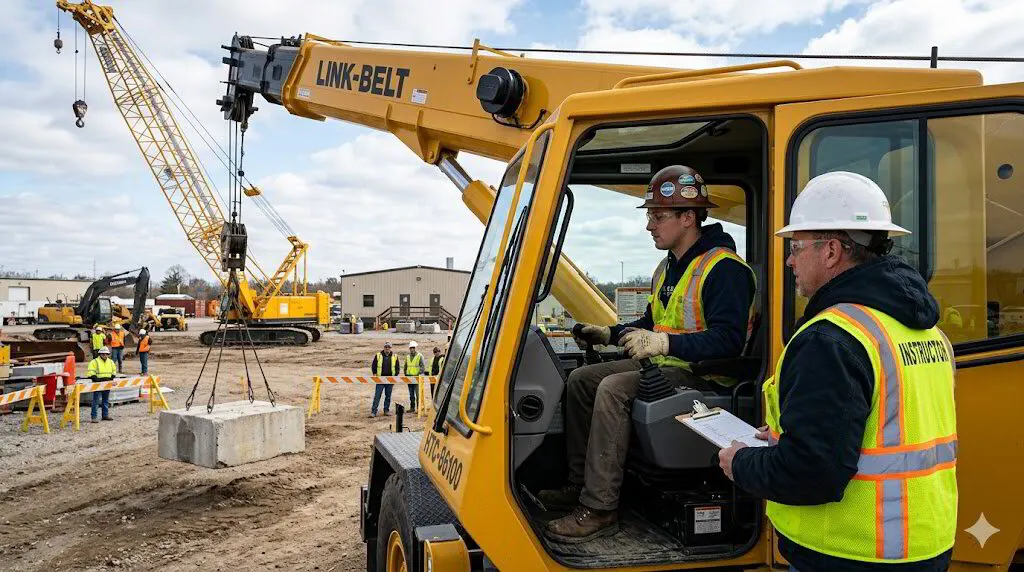 The Ultimate Guide to Crane Operator Field Training Programs: Certification & Career SuccessIn the ever-evolving construction industry, the need for certified crane operators is paramount, making effective…
-
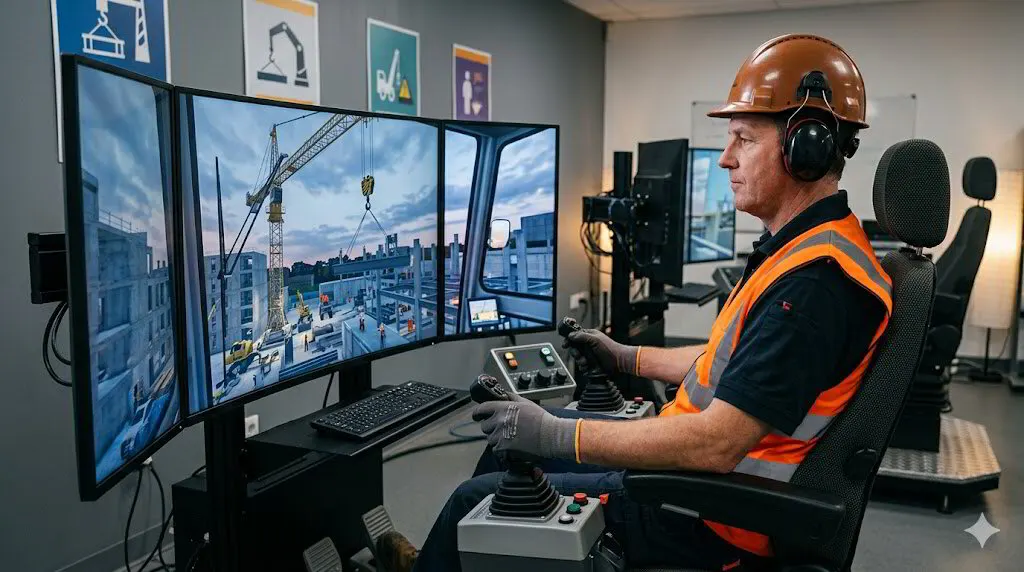 How Crane Simulators Enhance Operator Skills for Safer Construction PracticesAs the construction industry increasingly embraces technology, crane operator training has evolved significantly,…
-
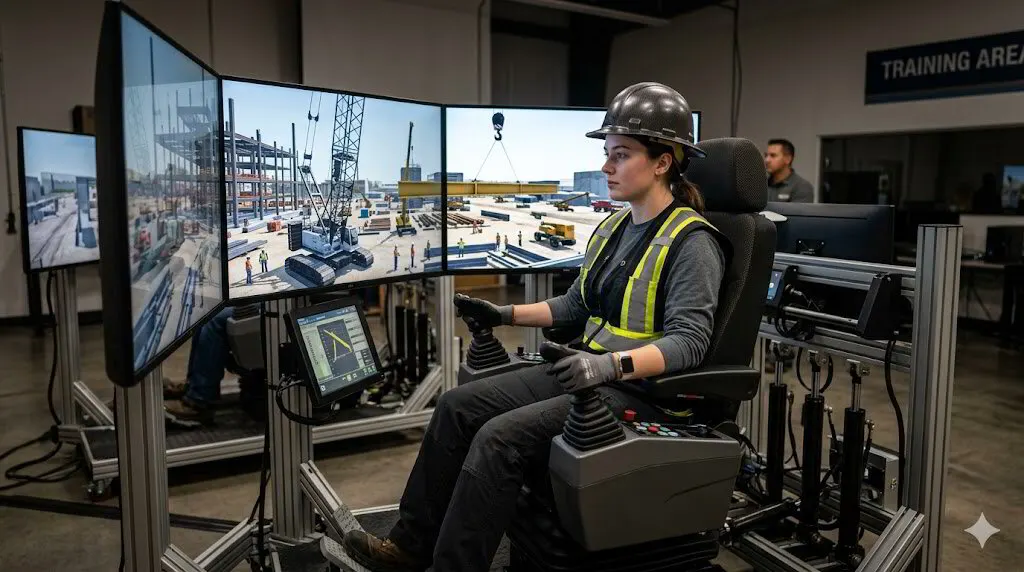 Unlocking Efficiency: The Benefits of Crane Simulator Training for Aspiring OperatorsCrane simulator training is revolutionizing the skill development of aspiring crane operators, offering a safe and…