
The construction and heavy lifting industries demand skilled professionals who can operate complex machinery safely and efficiently. As technology advances and safety regulations become increasingly stringent, obtaining proper certification has evolved from being merely beneficial to absolutely essential for career success. Heavy equipment operator certification online has emerged as a game-changing solution for professionals seeking to advance their careers without disrupting their current work schedules.
The digital transformation of professional training has revolutionized how construction professionals acquire critical skills. No longer confined to traditional classroom settings, aspiring crane operators can now access world-class training programs from anywhere with an internet connection. This shift has democratized access to high-quality education, enabling workers across diverse geographical locations to pursue certification opportunities that were previously limited by proximity to training centers. The flexibility of online learning platforms allows professionals to balance their educational pursuits with existing job responsibilities, making career advancement more achievable than ever before.
Introduction to Heavy Equipment Operator Certification
Professional certification in crane operation represents far more than a simple credential—it serves as a cornerstone for building a successful career in the construction and heavy lifting industries. The importance of certification extends beyond individual career advancement to encompass workplace safety, regulatory compliance, and operational efficiency. Certified operators demonstrate their commitment to industry standards and their capability to handle complex, potentially dangerous equipment with the precision and care required in professional environments.
The National Commission for the Certification of Crane Operators (NCCCO) stands as the gold standard for crane operator certification in the United States. This organization has established comprehensive standards that ensure operators possess both theoretical knowledge and practical skills necessary for safe equipment operation.
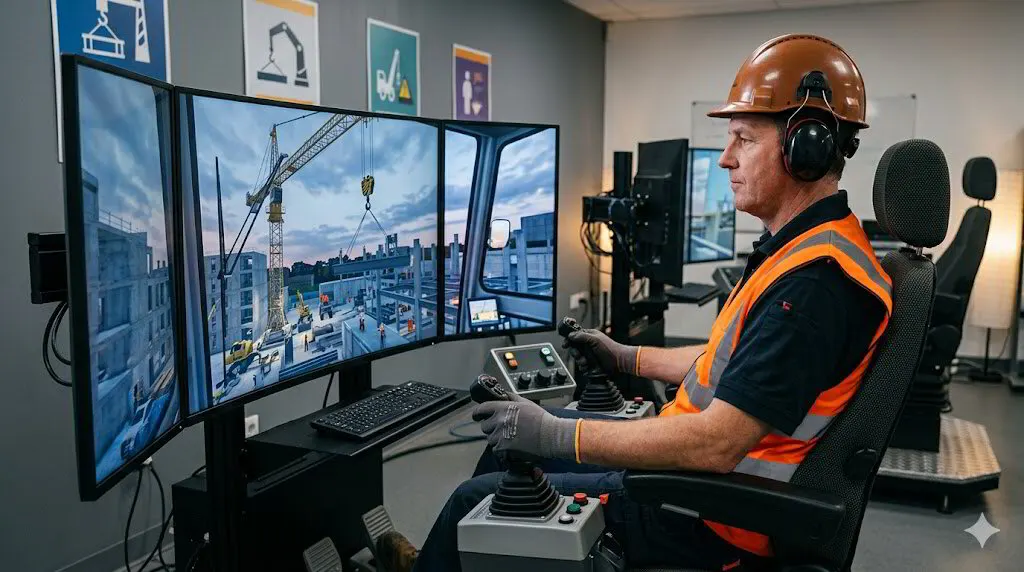
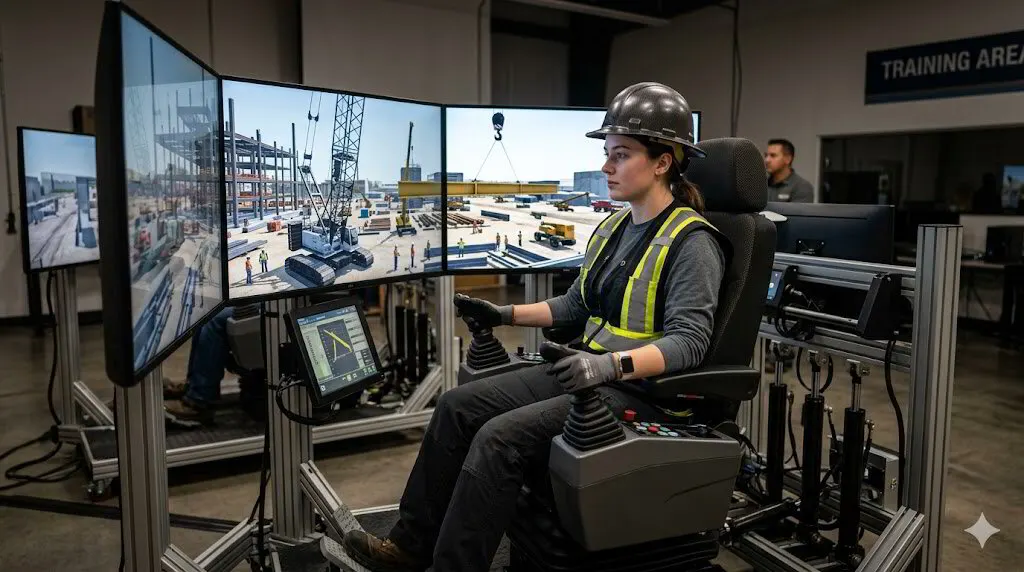
Online training platforms have transformed the accessibility of professional certification programs. The benefits of pursuing heavy equipment operator certification online include unprecedented flexibility in scheduling, reduced travel costs, and access to expert instructors regardless of geographical constraints. Students can progress through coursework at their own pace, revisiting complex concepts as needed while maintaining their current employment. This approach particularly benefits working professionals who cannot commit to extended periods away from their jobs for traditional classroom instruction. Additionally, online platforms often provide interactive learning tools, multimedia content, and virtual simulations that enhance the learning experience beyond what traditional classroom settings can offer.
What is Heavy Equipment Operator Certification?
Heavy equipment operator certification represents a formal validation of an individual's competency to safely operate specific types of construction and industrial machinery. This certification process involves comprehensive evaluation of both theoretical knowledge and practical skills, ensuring that operators understand equipment mechanics, safety protocols, load calculations, and operational procedures. The certification serves as an industry-recognized credential that demonstrates an operator's commitment to professional standards and their ability to perform complex lifting and positioning tasks safely and efficiently.
The landscape of heavy equipment certifications encompasses numerous specializations, each tailored to specific types of machinery and operational environments. Beyond crane operations, professionals can pursue certifications for excavators, bulldozers, loaders, and specialized lifting equipment. Each certification type requires specific knowledge related to equipment capabilities, operational limitations, maintenance requirements, and safety considerations unique to that machinery category.
Regulatory bodies and industry standards play crucial roles in maintaining certification quality and relevance. The Occupational Safety and Health Administration (OSHA) mandates that crane operators be certified by an accredited testing organization, with NCCCO being the most widely recognized certifying body. These organizations establish rigorous standards for curriculum content, examination procedures, and ongoing education requirements. The certification process typically involves written examinations covering theoretical knowledge, practical assessments demonstrating operational competency, and periodic recertification to ensure operators maintain current knowledge of evolving industry standards and safety protocols.
Professional certifications also address specialized roles within heavy equipment operations. Rigging certification online programs train professionals in proper load preparation, sling selection, and rigging techniques essential for safe lifting operations. Signal person certification ensures effective communication between equipment operators and ground personnel. These complementary certifications create a comprehensive safety framework that protects workers and ensures efficient project completion across various construction and industrial applications.
The Advantages of Online Certification Programs
The flexibility and accessibility offered by online certification programs have revolutionized professional development in the heavy equipment industry. Traditional training programs often require students to travel to specific locations and adhere to rigid schedules that may conflict with work obligations. Online platforms eliminate these barriers by providing 24/7 access to course materials, allowing students to study during evenings, weekends, or any time that fits their personal schedules. This accessibility is particularly valuable for professionals working in remote locations or those with demanding work schedules that make traditional classroom attendance impractical.
Geographic limitations no longer restrict access to high-quality training programs. Rural workers who previously faced significant travel requirements to reach training centers can now access the same expert instruction available to their urban counterparts. This democratization of education has expanded opportunities for career advancement across diverse communities and has helped address skill shortages in regions where training resources were previously limited. Online platforms also accommodate different learning styles through varied content delivery methods, including video demonstrations, interactive modules, and downloadable resources that students can access repeatedly.
Cost-effectiveness represents another significant advantage of online certification programs compared to traditional classroom instruction. Students eliminate expenses related to travel, lodging, and time away from work while pursuing their certification goals. Online programs typically offer competitive pricing structures that make professional development more accessible to individual students and more affordable for companies investing in employee training. The reduced overhead costs associated with online delivery allow training providers to offer comprehensive programs at lower prices while maintaining high educational standards.
Blended learning opportunities combine the convenience of online instruction with essential hands-on training components. This hybrid approach allows students to complete theoretical coursework online while participating in practical training sessions at convenient locations. Students can progress through knowledge-based content at their own pace, then apply their learning during intensive practical sessions that focus on equipment operation and skill demonstration. This model maximizes learning efficiency while ensuring that students receive comprehensive preparation for both written examinations and practical assessments.
The interactive nature of modern online learning platforms enhances student engagement through multimedia content, virtual simulations, and real-time communication tools. Students can participate in virtual crane operations, practice load calculations using interactive tools, and engage with instructors through video conferences and discussion forums. These technological enhancements create immersive learning experiences that often exceed what traditional classroom settings can provide, particularly for complex technical subjects that benefit from visual demonstrations and repeated practice opportunities.
Choosing the Right Online Certification Course
Accreditation and industry recognition serve as fundamental criteria when selecting an online certification program. Students must verify that their chosen program meets NCCCO standards and provides certification that employers will recognize and value. Reputable training providers clearly display their accreditation status and maintain transparent relationships with industry regulatory bodies. The certification should align with specific career goals, whether pursuing mobile crane operation, tower crane specialization, or comprehensive multi-crane certifications that enhance employment versatility.
Course content and structure significantly impact learning outcomes and examination success rates. Comprehensive programs should cover all aspects of crane operation, including equipment inspection procedures, load chart interpretation, rigging principles, and safety protocols. The curriculum should align with current NCCCO examination requirements and incorporate recent updates to industry standards and regulations. Well-structured courses present information in logical sequences that build upon foundational concepts, ensuring students develop thorough understanding before advancing to more complex topics.
Effective online programs provide multiple content delivery methods to accommodate different learning preferences and ensure comprehensive understanding. Video demonstrations should illustrate proper operational techniques, while interactive modules allow students to practice calculations and decision-making scenarios. Downloadable resources, including reference materials and quick-reference guides, support ongoing learning and provide valuable resources for future use. The platform should offer progress tracking tools that help students monitor their advancement and identify areas requiring additional attention.
Instructor qualifications and availability represent critical factors in program effectiveness. Experienced instructors should possess both extensive field experience and educational expertise, bringing real-world insights to theoretical concepts. The best programs provide multiple communication channels for student-instructor interaction, including scheduled video conferences, email support, and discussion forums. Instructors should be readily available to answer questions, clarify complex concepts, and provide guidance on examination preparation strategies.
Technical support and platform reliability ensure smooth learning experiences without frustrating interruptions. The learning management system should be user-friendly and accessible across various devices, allowing students to study using computers, tablets, or smartphones as convenient. Technical support should be readily available to resolve any platform issues quickly, preventing disruptions to study schedules. The platform should also provide reliable access to all course materials, ensuring students can access content consistently throughout their certification journey.
Preparing for the Certification Exam
Effective examination preparation begins with thorough understanding of the specific certification requirements and examination format. NCCCO certification training involves both written examinations covering theoretical knowledge and practical assessments demonstrating operational competency. Students should familiarize themselves with examination structure, question types, and time limitations to develop appropriate preparation strategies. Understanding the weighting of different topic areas helps prioritize study efforts and ensures comprehensive coverage of all examination components.
Comprehensive study resources and materials form the foundation of successful examination preparation. Quality online programs provide textbooks, reference materials, and supplementary resources that cover all examination topics thoroughly. Students should utilize official NCCCO candidate handbooks, which outline specific knowledge requirements and provide detailed information about examination procedures. Additional resources might include industry publications, safety manuals, and equipment manufacturer specifications that provide deeper understanding of operational principles and safety considerations.
Developing effective study habits significantly impacts learning retention and examination performance. Successful students establish consistent study schedules that allow regular engagement with course materials rather than cramming before examinations. Active learning techniques, such as summarizing key concepts, creating personal reference notes, and teaching concepts to others, enhance understanding and retention. Students should also practice time management skills by simulating examination conditions during study sessions, helping build confidence and familiarity with time constraints.
Mock examinations and practice questions provide invaluable preparation tools that familiarize students with examination formats and identify knowledge gaps requiring additional attention. Reputable online programs offer multiple practice examinations that mirror actual NCCCO testing procedures and question styles. Regular practice testing helps students gauge their preparation progress and adjust study strategies accordingly. Reviewing incorrect answers and understanding the reasoning behind correct responses reinforces learning and prevents similar mistakes during actual examinations.
Real-world Training: The Importance of Hands-On Experience
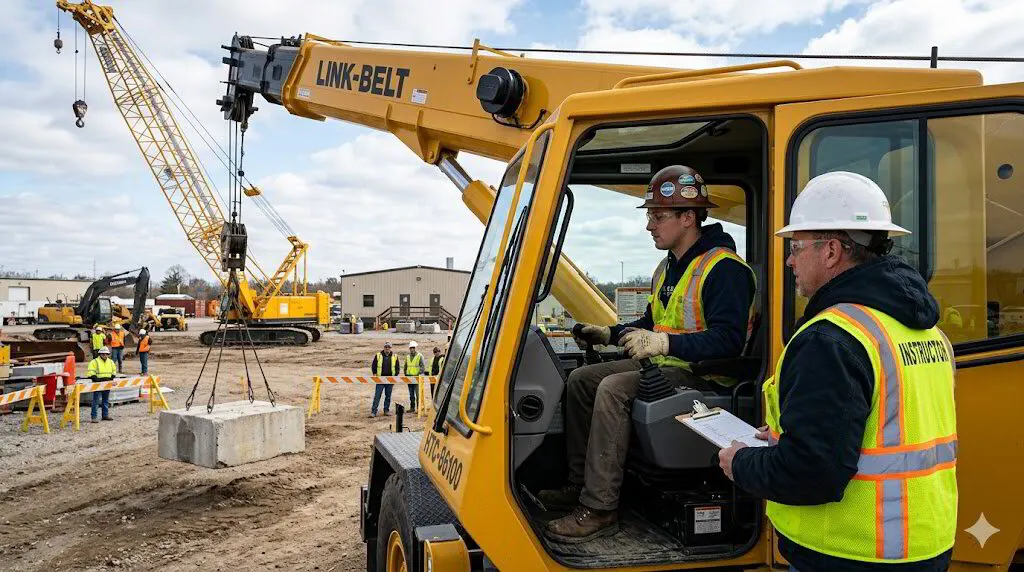
While online theoretical training provides essential knowledge foundations, supplementing digital learning with practical sessions ensures comprehensive preparation for professional crane operation. Hands-on experience bridges the gap between theoretical understanding and real-world application, allowing students to practice equipment operation under expert supervision. This practical component helps students develop muscle memory, spatial awareness, and confidence necessary for safe and efficient crane operation in actual work environments.
Equipment practice time offers invaluable benefits that cannot be replicated through online simulations alone. Students learn to interpret equipment responses, understand operational nuances, and develop the tactile skills necessary for precise load control. Practical sessions allow students to experience various operational scenarios, including challenging lifting situations, adverse weather considerations, and equipment maintenance procedures. This hands-on experience builds the confidence and competency that employers value and that contribute to workplace safety.
The integration of practical training with online learning creates comprehensive educational experiences that address all aspects of professional crane operation. Students can apply theoretical knowledge gained through online coursework during practical sessions, reinforcing learning through direct application. Instructors can observe student performance, provide immediate feedback, and address individual learning needs that might not be apparent through online assessments alone. This personalized attention ensures that students develop proper techniques and safety habits from the beginning of their training.
Networking opportunities during practical training sessions provide additional career benefits beyond skill development. Students interact with industry professionals, including instructors and fellow students, creating valuable professional connections that can lead to employment opportunities and ongoing career support. These relationships often extend beyond the training period, providing ongoing resources for professional development and industry insights. Many students find employment opportunities through connections made during their certification training, highlighting the value of in-person networking components.
Practical training also exposes students to diverse equipment types and operational environments, broadening their experience beyond single crane categories. This exposure helps students understand the versatility required in professional crane operation and may inspire pursuit of additional certifications. Students gain appreciation for the complexity and responsibility involved in crane operation, reinforcing the importance of ongoing professional development and safety consciousness throughout their careers.
Common Challenges in Obtaining Certification
Time management represents one of the most significant challenges facing working professionals pursuing heavy equipment operator certification online. Balancing study commitments with existing job responsibilities, family obligations, and personal commitments requires careful planning and disciplined execution. Many students underestimate the time investment required for thorough preparation, leading to rushed study sessions and inadequate examination preparation. Successful students develop realistic study schedules that account for their existing obligations while ensuring adequate time for comprehensive learning.
The complexity of balancing study with job responsibilities often creates stress and conflicts that can undermine certification efforts. Students may face pressure from employers who need immediate availability for work assignments, making consistent study schedules difficult to maintain. Shift work, overtime requirements, and project deadlines can disrupt planned study sessions and create gaps in learning continuity. Effective strategies include communicating certification goals with supervisors, negotiating flexible work arrangements when possible, and maximizing study efficiency during available time periods.
Examination anxiety affects many certification candidates, particularly those who have been away from formal educational settings for extended periods. The high stakes nature of certification examinations, combined with time and financial investments in training, can create significant pressure that interferes with performance. Students may doubt their preparation adequacy or worry about career implications of examination failure. Addressing these concerns requires building confidence through thorough preparation, utilizing practice examinations, and developing stress management techniques that maintain focus during actual testing.
Technical challenges related to online learning platforms can frustrate students and disrupt study progress. Some professionals may lack familiarity with digital learning tools, requiring additional time to navigate course materials effectively. Internet connectivity issues, computer problems, or platform malfunctions can interrupt study sessions and create additional stress. Students should familiarize themselves with platform features early in their training and ensure reliable technical support access to resolve issues quickly.
Financial constraints may limit access to comprehensive training programs or create pressure to complete certification quickly to minimize costs. Some students attempt to reduce expenses by choosing inadequate training programs or rushing through coursework without thorough understanding. Balancing cost considerations with quality training requirements necessitates careful program evaluation and realistic budgeting that accounts for potential retesting costs if initial attempts are unsuccessful.
Post-Certification Career Opportunities
Certified crane operators enjoy access to diverse job roles across multiple industries, including construction, manufacturing, shipping, and energy sectors. Mobile crane operators work on construction sites, infrastructure projects, and industrial installations, handling various lifting and positioning tasks. Tower crane operators specialize in high-rise construction projects, requiring additional skills related to urban work environments and extended project durations. Lattice boom crane operators often work in heavy industrial settings, including refineries, power plants, and large-scale manufacturing facilities where specialized lifting capabilities are required.
The construction safety certification that accompanies proper crane operator training opens additional career pathways beyond equipment operation. Certified operators may advance to supervisory roles, training positions, or safety management functions that leverage their operational expertise and safety knowledge. Some professionals establish independent contracting businesses, providing specialized lifting services to multiple clients. Others pursue equipment sales or rental company positions where their operational experience provides valuable customer service capabilities and technical expertise.
Salary expectations for certified crane operators vary significantly based on geographic location, industry sector, and experience level. Entry-level operators typically earn competitive wages that exceed many other construction trades, with experienced operators commanding premium compensation packages. Specialized certifications, such as tower crane operation or heavy lift expertise, often justify higher wage rates due to the additional skills and responsibilities involved. Many positions offer overtime opportunities, project bonuses, and benefits packages that enhance overall compensation beyond base wages.
Career growth opportunities for certified operators include advancement to lead operator positions, equipment maintenance roles, and training instructor positions. Experienced operators may pursue additional certifications that expand their versatility and employment options. Some professionals transition to project management roles where their operational experience provides valuable insights into project planning and execution. The combination of technical expertise and safety knowledge gained through certification creates foundations for diverse career advancement opportunities.
The importance of continual learning and recertification cannot be overstated in maintaining career momentum and ensuring ongoing employment eligibility. Industry standards, safety regulations, and equipment technologies continue evolving, requiring operators to stay current with developments affecting their profession. Regular recertification demonstrates ongoing professional commitment and ensures operators maintain the knowledge necessary for safe, efficient performance. Many employers prefer operators who pursue additional training and certifications, viewing this commitment as evidence of professional dedication and reliability.
Conclusion and Next Steps
The journey toward heavy equipment operator certification online represents a strategic investment in professional development that yields both immediate and long-term career benefits. Throughout this comprehensive guide, we have explored the multifaceted advantages of pursuing certification through digital platforms, from the flexibility that accommodates working professionals to the cost-effectiveness that makes quality training accessible to diverse populations. The importance of proper certification extends far beyond individual career advancement to encompass workplace safety, regulatory compliance, and industry professionalism that benefits entire project teams and organizations.
The evolution of online training platforms has democratized access to world-class instruction while maintaining the rigorous standards necessary for professional competency. By combining theoretical knowledge gained through comprehensive online coursework with essential hands-on experience, students receive well-rounded preparation that addresses all aspects of professional crane operation. This blended approach ensures that certified operators possess both the knowledge and practical skills necessary for safe, efficient performance in demanding work environments.
Miller Crane Works stands ready to support your certification journey with comprehensive training programs designed to meet the diverse needs of construction professionals and companies seeking to enhance their workforce capabilities. Our expert instructors bring decades of field experience to online platforms, ensuring that students receive practical insights alongside theoretical knowledge. Whether you are pursuing initial crane operator certification, seeking specialized training in tower or lattice boom operations, or requiring rigging certification online, our programs provide the flexibility and quality necessary for certification success.
Explore the comprehensive training opportunities available through Miller Crane Works. Visit https://millercraneworks.com/ to discover how our online certification programs can help you achieve your professional goals while maintaining your current work commitments. Our flexible scheduling, expert instruction, and commitment to student success create the ideal environment for pursuing heavy equipment operator certification online. Contact us today to discuss your specific training needs and begin your journey toward professional certification and enhanced career opportunities.
-
 The Ultimate Guide to Crane Operator Field Training Programs: Certification & Career SuccessIn the ever-evolving construction industry, the need for certified crane operators is paramount, making effective…
-
 How Crane Simulators Enhance Operator Skills for Safer Construction PracticesAs the construction industry increasingly embraces technology, crane operator training has evolved significantly,…
-
 Unlocking Efficiency: The Benefits of Crane Simulator Training for Aspiring OperatorsCrane simulator training is revolutionizing the skill development of aspiring crane operators, offering a safe and…