Top 10 Best Practices for Tower Crane Operations: A Comprehensive Guide
Tower cranes dominate construction skylines worldwide, serving as the backbone of modern building projects. These large cranes are used to build skyscrapers, bridges, and complex infrastructure in our cities. However, these capabilities come with serious responsibilities and risks that require constant attention to safety protocols and correct operation.
The construction industry faces mounting pressure to maintain both efficiency and safety standards, making proper crane operation more critical than ever. Industry statistics show crane-related accidents account for a substantial share of construction site injuries, which is why following best practices for tower crane operations matters. These incidents often stem from inadequate training, poor communication, or failure to follow established safety protocols.
Professional crane operators understand that their role extends far beyond simply moving materials from point A to point B. They serve as guardians of worksite safety, protecting both their colleagues and the surrounding community. This responsibility requires extensive knowledge, continuous training, and strict adherence to industry standards. NCCCO certification is the benchmark in crane operator training. It gives operators the skills and knowledge to work safely and efficiently on construction sites.
Understanding Tower Cranes
Tower cranes represent sophisticated engineering marvels designed to handle heavy lifting operations in constrained construction environments. These vertical lifting systems consist of several critical components that work in harmony to achieve precise material placement at significant heights. Understanding these components is fundamental to implementing effective best practices for tower crane operations.
The mast forms the crane's vertical backbone, providing the structural foundation that supports the entire system. This telescoping or climbing structure can reach heights exceeding 1,000 feet in some applications. The slewing unit sits atop the mast, enabling 360-degree rotation that allows operators to position loads anywhere within the crane's working radius. The jib, or working arm, extends horizontally from the slewing unit and carries the trolley system that moves loads closer to or farther from the mast.
The counter-jib balances the working jib and houses the machinery deck, which contains the crane's operating mechanisms including hoisting winches, slewing motors, and electrical systems. Counterweights attached to the counter-jib provide the necessary balance to prevent the crane from tipping during lifting operations. The operator cab, typically positioned on the counter-jib, provides the operator with optimal visibility and access to all crane controls.
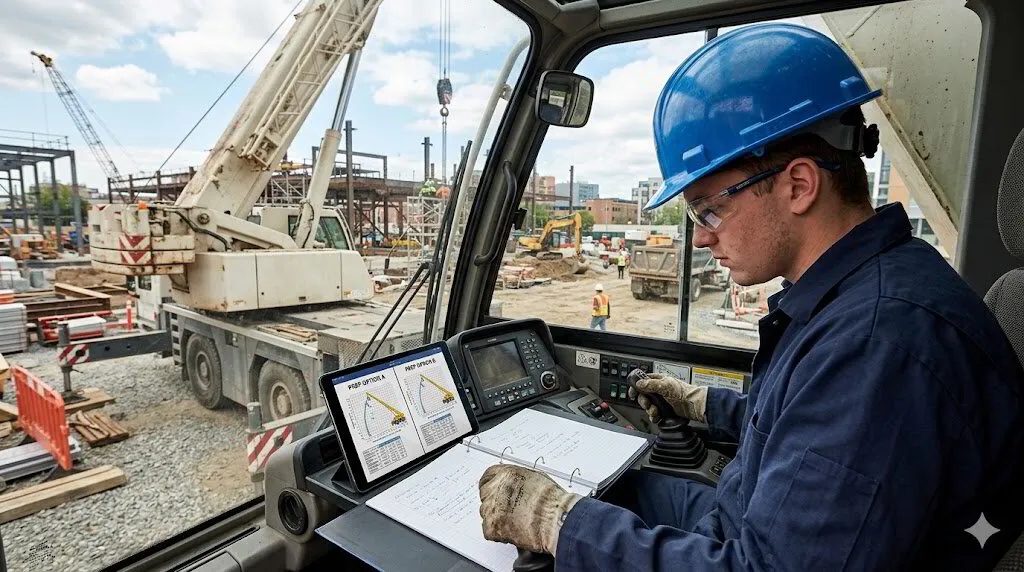
Tower crane operation mechanics involve complex load calculations and precise movements. The crane's load chart specifies maximum lifting capacities at various radii and heights, requiring operators to understand load moment calculations and crane stability principles. Modern tower cranes have load moment indicators and anti-collision systems that improve safety but must be well understood to operate properly.
Several tower crane configurations serve different construction needs. Hammerhead cranes feature a horizontal jib with the hoist mechanism positioned at the end, providing excellent lifting capacity for heavy loads at close radius. Luffing jib cranes offer variable jib angles, making them ideal for congested urban construction sites where space constraints limit horizontal jib movement. Self-erecting tower cranes provide mobility and quick setup capabilities for smaller construction projects, while climbing cranes grow with building construction, maintaining optimal working height throughout the project lifecycle.
Best Practices for Operating a Tower Crane
Tower crane best practices start with a thorough site survey that checks every factor affecting crane performance and safety. Site surveys must assess ground conditions, including soil bearing capacity, underground utilities, and potential obstructions. Operators should identify overhead power lines, nearby structures, and air traffic patterns that could impact crane operations. Wind exposure analysis determines appropriate operating limits, while access routes for crane delivery, assembly, and material transport require careful planning.
Proper crane assembly demands strict adherence to manufacturer specifications and industry standards. Foundation preparation must meet engineering requirements, with concrete pads properly cured and anchor bolt placement verified through precise surveying. Each assembly step requires inspection and documentation, with particular attention to bolt torque specifications, electrical connections, and safety system functionality. Crane erection teams must follow established procedures, utilizing proper rigging techniques and maintaining clear communication throughout the assembly process.
Regular maintenance checks are the basis of safe tower crane operations. Daily inspections should examine all visible components for wear, damage, or unusual conditions. Weekly maintenance includes lubrication of moving parts, inspection of wire ropes for broken wires or wear patterns, and testing of all safety systems. Monthly full inspections cover structural components, electrical systems, and load testing of key mechanisms. Annual certifications by qualified inspectors ensure continued compliance with safety standards and identify potential issues before they become critical problems.
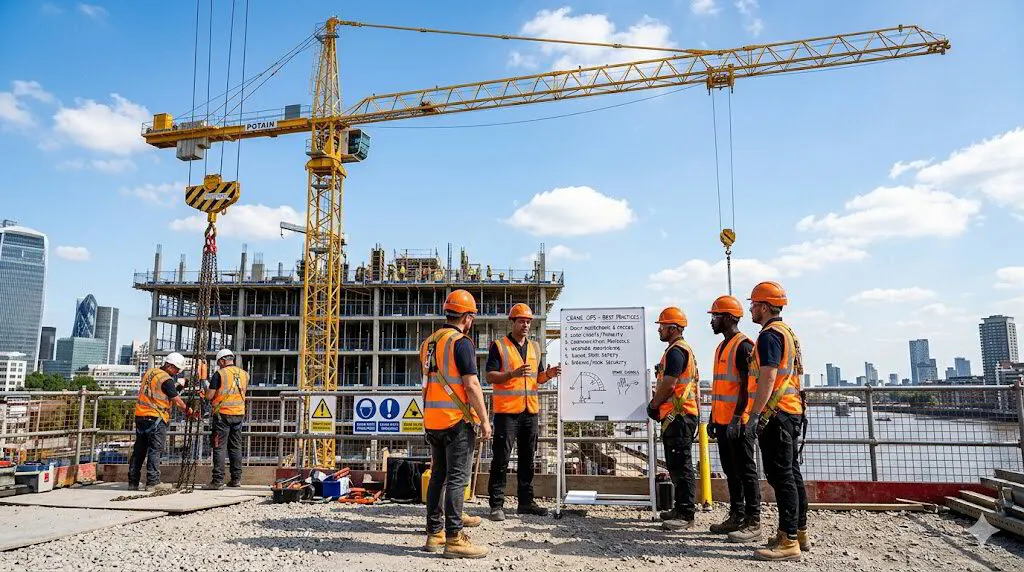
Clear communication with signalers and ground crew is a core part of tower crane safety protocols. Standardized hand signals must be clearly understood by all team members, with backup communication systems available for situations where visual contact becomes compromised. Radio communication should follow established protocols, using clear, concise language and confirmed acknowledgments for all instructions. Ground crew members must maintain situational awareness, staying clear of potential drop zones and maintaining visual contact with crane operators whenever possible.
Adhering to load limits and operational parameters requires constant vigilance and thorough understanding of crane capabilities. Load charts must be readily accessible and consulted before each lift, with consideration given to load weight, radius, and height factors. Wind speed monitoring ensures operations remain within safe parameters, with predetermined shutdown procedures implemented when conditions exceed limits. Load rigging must follow established practices, with proper sling angles, attachment points, and load distribution carefully calculated and verified before lifting begins.
Operational planning extends beyond individual lifts to encompass entire project phases. Crane positioning should optimize efficiency while maintaining safety margins, with consideration given to future construction activities and potential conflicts with other equipment. Material delivery schedules must coordinate with crane availability, minimizing idle time while avoiding rushed operations that could compromise safety. Documentation of all lifts, maintenance activities, and safety incidents provides valuable data for continuous improvement and regulatory compliance.
Safety Protocols for Tower Crane Operators
Personal Protective Equipment requirements for tower crane operators extend beyond basic construction site standards due to the unique hazards associated with high-altitude operations. Hard hats must meet ANSI standards and include chin straps to prevent loss during windy conditions or rapid movements. Safety harnesses with proper attachment points are mandatory when accessing crane components outside the protected operator cab, particularly during pre-operational inspections or maintenance activities. Steel-toed boots with slip-resistant soles protect operators while climbing crane structures, and high-visibility clothing keeps them visible to ground personnel.
Respiratory protection may be necessary in dusty environments or when working near diesel-powered equipment. Eye protection guards against wind, debris, and glare that can impair operator vision during critical lifting operations. Weather-appropriate clothing maintains operator comfort and alertness during extended operating periods, with particular attention to cold weather gear that doesn't restrict movement or interfere with control operation.
Emergency procedures and crisis management protocols must address the unique challenges posed by tower crane operations. Emergency shutdown procedures should be clearly documented and practiced regularly, covering scenarios such as severe weather, equipment malfunctions, or site emergencies. Evacuation procedures from crane cabs require special consideration due to height and access limitations, with emergency descent systems available when standard access routes become compromised.
Fire emergency protocols must account for the challenges of fighting fires at significant heights, with appropriate fire suppression systems installed in machinery areas and clear procedures for emergency services access. Medical emergency procedures should address the complexities of providing aid to personnel at height, including protocols for crane operator incapacitation and safe crane shutdown procedures.
Communication during emergencies requires redundant systems to ensure reliable contact with emergency services and site management. Emergency contact information must be readily accessible, with clear escalation procedures and designated emergency coordinators. Regular emergency drills help ensure all personnel understand their roles and responsibilities during crisis situations.
Power line contact procedures represent a critical safety consideration for tower crane operations. Operators must understand proper response protocols if crane contact with power lines occurs, including staying in the cab until electrical hazards are cleared and proper grounding procedures are implemented. Site electrical safety requires coordination with utility companies and clear marking of all electrical hazards.
Ongoing training and recertification importance cannot be overstated in maintaining tower crane safety standards. Regular safety meetings should address current best practices, recent industry incidents, and lessons learned from site-specific experiences. Recertification training ensures operators stay current with evolving technology, regulatory changes, and improved safety practices. Continuous education programs help operators develop advanced skills and maintain peak performance levels throughout their careers.
Building Skills through Training and Certification
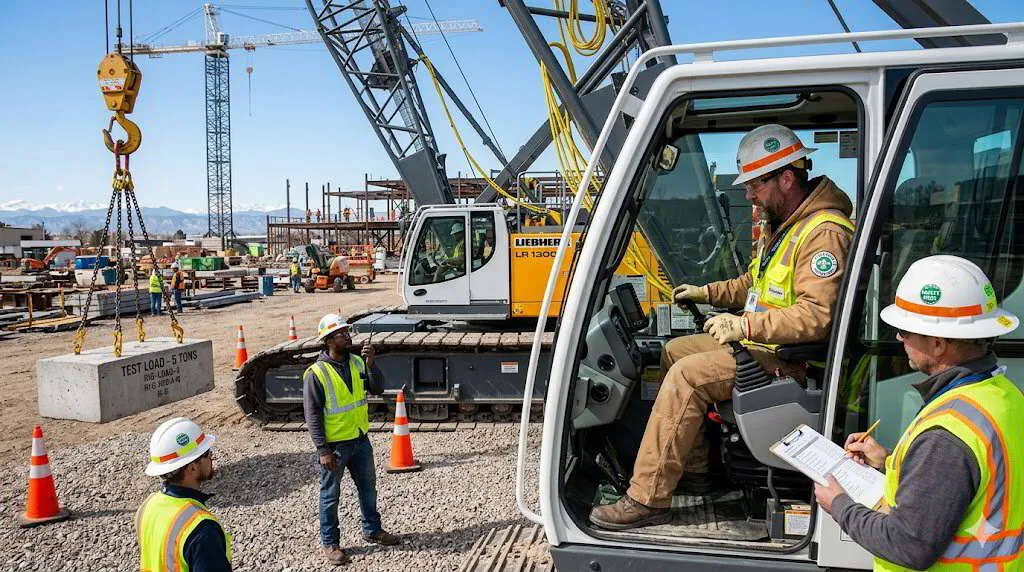
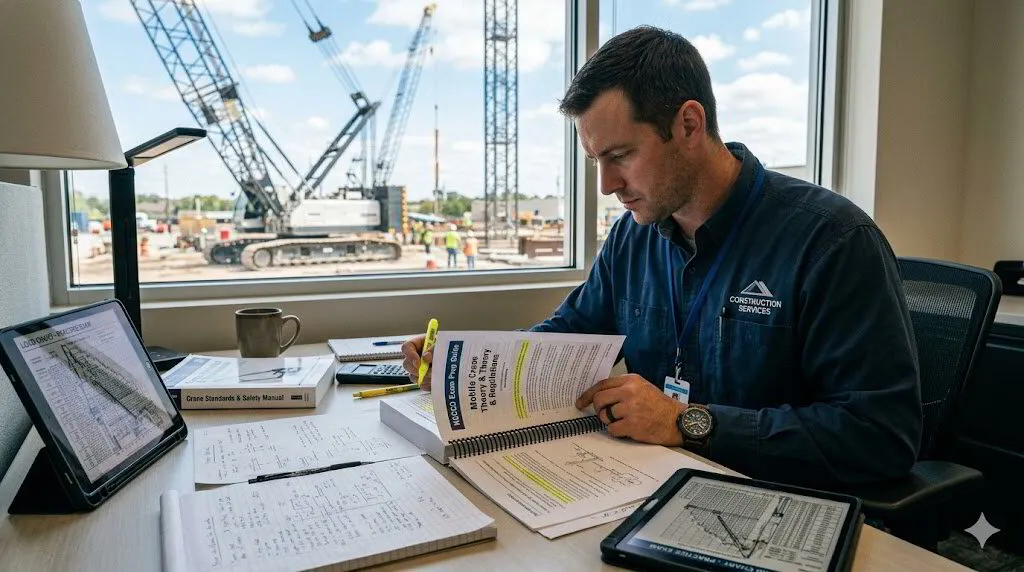
Crane operator development requires training that combines classroom knowledge with practical work on real equipment. NCCCO certification courses provide the industry-standard foundation for crane operator competency, covering essential topics including load calculations, rigging principles, and safety protocols. These certification programs ensure operators understand the fundamental physics of crane operations, regulatory requirements, and best practices developed through decades of industry experience.
Tower crane courses specifically address the unique challenges and requirements of vertical lifting operations in construction environments. Training modules cover crane assembly and disassembly procedures, operational planning, and advanced safety protocols specific to tower crane operations. Students learn to interpret load charts, calculate load moments, and understand the effects of wind and weather on crane performance.
Practical training sessions build operator confidence through real-world practice in a controlled setting. Hands-on training allows students to practice complex maneuvers, emergency procedures, and communication protocols under expert supervision. Equipment practice time enables operators to become familiar with different crane models and control systems, building the versatility needed for diverse construction projects.
Simulation-based training provides safe opportunities to practice high-risk scenarios and emergency procedures without exposing personnel to actual danger. Advanced simulators replicate realistic operating conditions, allowing operators to develop skills and test responses to challenging situations. This technology enables training for scenarios that would be too dangerous or expensive to recreate with actual equipment.
Recertification requirements ensure operators maintain current knowledge and skills throughout their careers. Most certifications require renewal every five years, with continuing education requirements that keep operators informed of industry developments, regulatory changes, and emerging best practices. Regular recertification shows commitment to professional standards and helps keep safety standards high across the industry.
Conclusion
Following best practices for tower crane operations is more than regulatory compliance. It protects lives, improves productivity, and raises standards across the construction industry. Throughout this guide, we have explored the critical elements that distinguish professional crane operations from merely adequate performance, emphasizing that true expertise emerges from the intersection of technical knowledge, practical experience, and unwavering dedication to safety protocols.
The ten best practices outlined—from thorough site surveys and proper assembly procedures to effective communication and emergency preparedness—form an interconnected framework that supports safe and efficient operations. Each element supports the others, and together they address the real challenges of construction work. Professional operators understand that cutting corners or overlooking details can have catastrophic consequences, making strict adherence to these practices non-negotiable.
Becoming a skilled crane operator takes continuous learning, regular training updates, and commitment to industry standards. NCCCO certification provides the foundation, but ongoing professional development ensures operators remain current with evolving technology and best practices. Proper training pays off through fewer accidents, better efficiency, and more career options in construction.
Ready to grow your crane operation career or your team's skills?Miller Crane Works offers tower crane training programs that build skill and confidence in crane operations. Our NCCCO certification courses, practical training sessions, and recertification programs teach the knowledge and skills construction work demands. Visit https://millercraneworks.com/ to see our training options, or contact us to book a class. Tower Crane Best Practices Crane Operation Safety Construction Crane Guide