
The construction and heavy lifting industries demand skilled professionals who can safely operate complex machinery under challenging conditions. Crane operators represent a critical component of these sectors, requiring specialized knowledge, technical expertise, and unwavering attention to safety protocols. The importance of comprehensive crane operator training cannot be overstated, as improper operation can result in catastrophic accidents, equipment damage, and significant financial losses.
Obtaining proper certification through the best crane operator training programs offers numerous benefits for both individuals and employers. Certified operators command higher salaries, enjoy greater job security, and have access to more career opportunities across various industries. From a business perspective, employing certified crane operators reduces liability, improves workplace safety, and ensures compliance with industry regulations.
The National Commission for the Certification of Crane Operators (NCCCO) serves as the gold standard for crane operator certification in the United States. Established in 1995, NCCCO provides nationally recognized credentials that validate an operator's competency and knowledge. Their certification process involves both written examinations and practical assessments, ensuring operators possess the theoretical understanding and hands-on skills necessary for safe, efficient crane operation in real-world construction environments.
Types of Crane Operator Training Programs
The crane operation field encompasses various specialized disciplines, each requiring specific training approaches and certification pathways. Understanding these different program types helps aspiring operators choose the most appropriate path for their career goals and industry requirements.
- Mobile Crane Courses: represent the most common entry point for new operators.
These construction training programs focus on truck-mounted and rough terrain cranes used extensively in building construction, infrastructure projects, and general lifting applications. Students learn fundamental principles of crane physics, load charts, rigging basics, and operational safety procedures. Mobile crane certification typically covers swing cab and fixed cab operations, with specific endorsements available for different crane capacities and configurations.
- Tower Crane Courses: cater to operators working in high-rise construction and urban development projects. These programs emphasize the unique challenges of operating stationary cranes at significant heights, including weather considerations, load positioning precision, and coordination with multiple ground crews. Tower crane operators must master complex control systems and develop exceptional spatial awareness for safe operation in congested construction sites.
- Lattice Crane Courses: focus on crawler cranes and large capacity lifting equipment used in heavy industrial applications. These heavy equipment training programs cover advanced rigging techniques, assembly procedures, and specialized lifting operations.
Lattice crane operators often work on power plant construction, bridge installation, and major infrastructure projects requiring precise load handling capabilities.
- Rigger and Signal Person Certification: complements crane operator training by preparing professionals who work directly with crane operators during lifting operations.
These crane safety training programs teach proper rigging techniques, load calculation methods, and standardized hand signals essential for safe crane operations.
Criteria for Evaluating Training Programs
Selecting among the best crane operator training programs requires careful evaluation of several critical factors that directly impact training quality and career outcomes. Professional development in crane operations demands comprehensive assessment of program credentials, content depth, and practical application opportunities.
- Accreditation and recognition: serve as primary indicators of program quality and industry acceptance. NCCCO certification remains the industry standard, ensuring training programs meet rigorous educational and safety requirements. Programs should clearly outline their relationship with NCCCO and demonstrate proven success rates in certification examinations. Regional accreditation bodies and state licensing requirements may also influence program selection depending on geographic location and specific industry needs.
- Course content and curriculum: depth determine the comprehensiveness of training received. Quality programs integrate theoretical knowledge with practical applications, covering load dynamics, crane mechanics, safety regulations, and operational procedures. Curriculum should align with current industry standards and incorporate recent technological advances in crane operation and safety systems.
- Practical training opportunities: distinguish exceptional programs from basic educational offerings. Hands-on experience with actual equipment allows students to apply classroom knowledge in realistic scenarios. Programs offering extensive equipment practice time provide invaluable experience that translates directly to workplace competency and confidence.
- Flexibility and format options: accommodate diverse learning preferences and scheduling constraints. Modern crane qualification courses offer online theoretical components combined with in-person practical sessions, allowing working professionals to pursue certification without extended time away from employment.
Weekend and evening options further enhance accessibility for career advancement.
Comparison of Top Crane Operator Training Providers
The crane operator training landscape features several prominent providers, each offering unique advantages and specialized approaches to certification preparation. Understanding these differences enables informed decision-making for prospective students and employers investing in workforce development.
- Provider 1: National Training Institute: offers comprehensive NCCCO certification preparation with a strong emphasis on theoretical foundations. Their programs feature extensive online coursework, interactive simulations, and standardized testing preparation.Pay is set by the employer. This school does not state or promise wages. However, practical training time may be limited compared to hands-on focused alternatives, and equipment variety might not match specialized training facilities.
- Provider 2: Heavy Equipment Training Schools: specializes in immersive, hands-on learning experiences with extensive equipment fleets and dedicated training facilities.
Their programs emphasize practical skill development through extended machine time and real-world scenario training.Miller Crane Works does not offer job placement. Pay is set by the employer. This school does not state or promise wages. The primary limitation involves geographic availability, as training centers are concentrated in specific regions.
- Provider 3: Miller Crane Works: combines industry expertise with comprehensive certification preparation, offering mobile crane courses, tower crane training, and specialized lattice crane programs. Their approach integrates NCCCO certification requirements with practical skill development through extensive equipment practice time.
The program features experienced instructors with active industry backgrounds, flexible scheduling options, and personalized attention to student success. Miller Crane Works provides excellent value through competitive pricing while maintaining high certification success rates and strong employer recognition.Pay is set by the employer. This school does not state or promise wages.Miller Crane Works does not offer job placement.
Success Stories and Testimonials
The impact of quality crane operator training extends far beyond initial certification, creating lasting career transformation and professional advancement opportunities. Successful graduates consistently report significant improvements in earning potential, job security, and career satisfaction following completion of comprehensive training programs.
Recent graduate testimonials highlight the transformative nature of proper certification. John Martinez, a construction worker who completed NCCCO certification through a leading training program, experienced a 40% salary increase within six months of certification. His story exemplifies the career advancement potential available to dedicated professionals who invest in specialized training and skill development.
Employer perspectives reinforce the value of certified operators in today's competitive construction environment. Construction companies consistently report improved safety records, reduced equipment damage, and enhanced project efficiency when employing NCCCO-certified crane operators. Safety managers emphasize that certified operators demonstrate superior hazard recognition, proper load handling techniques, and adherence to established safety protocols.
Career advancement opportunities multiply for certified operators, with many progressing to supervisory roles, training positions, or specialized heavy lifting operations. The certification serves as a foundation for continued professional development and industry recognition.
Long-term career tracking shows certified operators enjoy greater job stability during economic downturns and preferential hiring consideration for premium projects requiring specialized expertise and proven competency.
Conclusion and Next Steps
Selecting the best crane operator training programs requires careful consideration of individual career goals, learning preferences, and industry requirements. The comparison of training providers reveals diverse approaches to certification preparation, each offering unique advantages for different student populations. NCCCO certification remains the industry standard, providing nationally recognized credentials that enhance career prospects and earning potential.
The investment in quality crane operator training yields substantial returns through improved job opportunities, higher compensation, and enhanced workplace safety. Whether pursuing mobile crane certification, tower crane specialization, or comprehensive rigging training, the foundation of proper education and hands-on experience proves invaluable throughout a crane operator's career.
Taking the next step toward certification begins with thorough research and program selection aligned with personal and professional objectives. The construction industry's continued growth ensures strong demand for qualified crane operators, making this an opportune time to pursue certification and career advancement in this essential trade.
Ready to launch your crane operator career?
Miller Crane Works offers comprehensive training programs designed to prepare you for NCCCO certification success. Our experienced instructors, extensive equipment fleet, and flexible scheduling options provide the foundation for your professional advancement. Visit https://millercraneworks.com/ to explore our training programs and take the first step toward a rewarding career in crane operations.
-
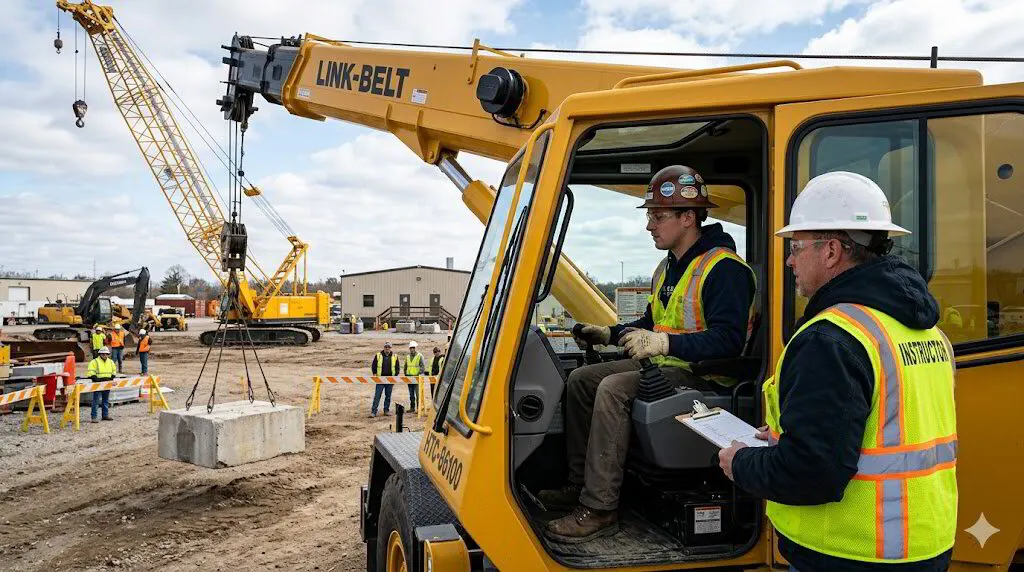 The Ultimate Guide to Crane Operator Field Training Programs: Certification & Career SuccessIn the ever-evolving construction industry, the need for certified crane operators is paramount, making effective…
-
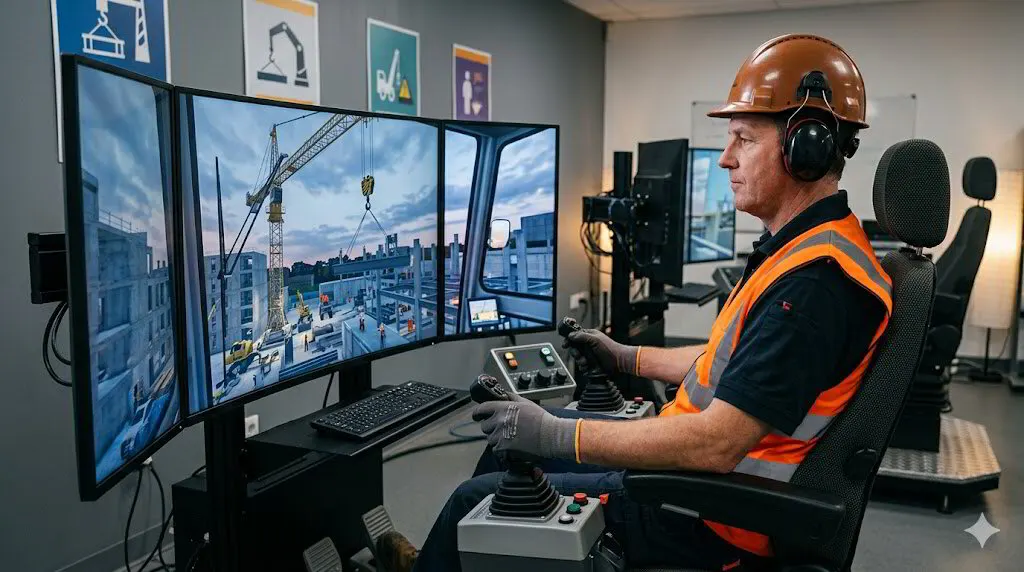 How Crane Simulators Enhance Operator Skills for Safer Construction PracticesAs the construction industry increasingly embraces technology, crane operator training has evolved significantly,…
-
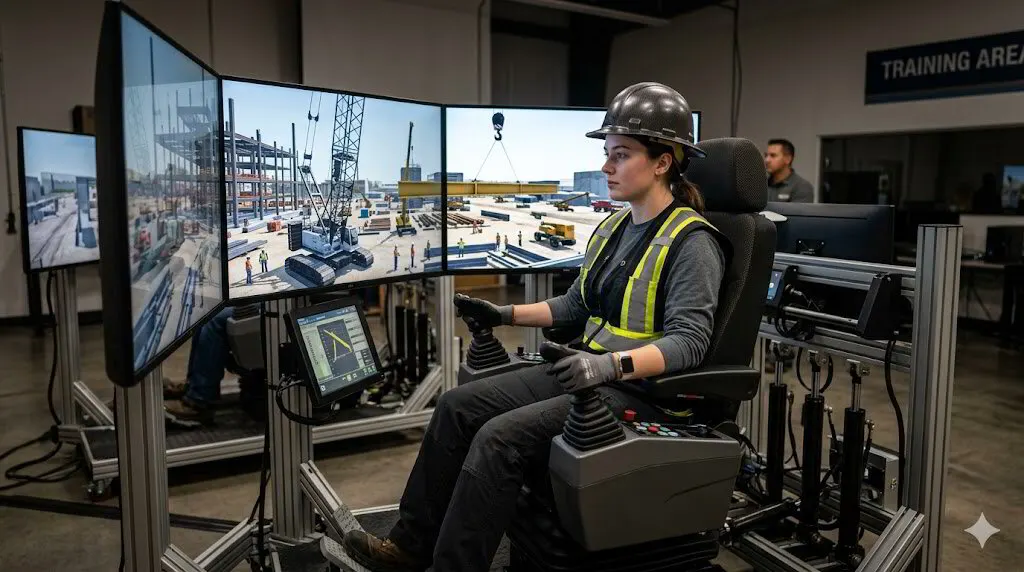 Unlocking Efficiency: The Benefits of Crane Simulator Training for Aspiring OperatorsCrane simulator training is revolutionizing the skill development of aspiring crane operators, offering a safe and…