
The construction industry relies heavily on skilled tower crane operators who can safely and efficiently manage complex lifting operations on high-rise projects. As urban development continues to expand and construction projects become increasingly sophisticated, the demand for qualified tower crane operators has never been higher. Professional training serves as the cornerstone of a successful crane operation career, providing operators with the technical knowledge, safety protocols, and hands-on experience necessary to excel in this demanding field.
Tower crane operations represent one of the most critical aspects of modern construction projects. These towering machines are responsible for lifting and positioning heavy materials at significant heights, requiring operators to possess exceptional spatial awareness, technical expertise, and unwavering attention to safety standards. The complexity of tower crane systems, combined with the high-stakes environment in which they operate, makes comprehensive training absolutely essential.
When searching for tower crane operator training near me, prospective operators must understand that quality education goes beyond basic machine operation. Professional training programs encompass safety regulations, load calculations, equipment maintenance, weather considerations, and emergency procedures. This comprehensive approach ensures operators can handle the multifaceted challenges they'll encounter throughout their careers while maintaining the highest safety standards that protect both workers and the public.
What to Look for in Tower Crane Operator Training Programs
Selecting the right training program requires careful evaluation of several critical factors that will directly impact your career prospects and operational competency. The foundation of any reputable program begins with proper accreditation and recognized certifications, particularly those aligned with National Commission for the Certification of Crane Operators (NCCCO)
standards. These credentials ensure that your training meets industry requirements and will be recognized by employers across the construction sector.
The experience level and qualifications of instructors play a pivotal role in program quality.
Seasoned professionals who have operated tower cranes in real-world construction environments bring invaluable practical insights that complement theoretical knowledge. Look for programs where instructors hold current certifications, possess extensive field experience, and demonstrate a commitment to staying updated with evolving industry standards and regulations.
Training schedule flexibility represents another crucial consideration, especially for working professionals seeking to advance their careers. Quality programs offer multiple scheduling options, including evening classes, weekend sessions, and intensive boot camps that accommodate various professional and personal commitments. This flexibility ensures that career advancement doesn't require significant disruption to existing employment or family responsibilities.
Hands-on practical experience distinguishes exceptional training programs from mediocre alternatives. Tower crane operation requires muscle memory, spatial awareness, and confidence that can only be developed through extensive equipment practice time. Programs should provide substantial simulator training, actual crane operation opportunities, and real-world scenario practice that prepares students for the challenges they'll face on construction sites. The availability of modern training equipment and up-to-date crane models ensures students learn on technology they'll encounter in their professional careers.
Comparison of Local Tower Crane Operator Training Options
The landscape of tower crane operator training varies significantly across different providers, each offering unique advantages and specialized approaches to certification preparation.
Understanding these differences helps prospective operators make informed decisions that align with their career goals, learning preferences, and financial considerations.
Traditional trade schools and community colleges often provide comprehensive programs that combine tower crane training with broader heavy equipment operator education. These institutions typically offer structured curricula spanning several weeks or months, providing thorough theoretical foundations alongside practical training components. Their programs often include additional certifications such as rigger certification courses and signal person training, creating well-rounded professionals capable of handling multiple construction site responsibilities.
Specialized crane training centers focus exclusively on crane operations, offering intensive programs designed to efficiently prepare students for NCCCO certification examinations.
These facilities often feature state-of-the-art simulators, multiple crane types for hands-on practice, and instructors who specialize specifically in crane operations rather than general heavy equipment training. The concentrated focus allows for deeper expertise development and more targeted preparation for specific certification requirements.
Private training companies provide flexible, customized training solutions that can be tailored to individual or corporate needs. These providers often offer mobile training services, bringing equipment and instruction directly to construction sites or company facilities. This approach proves particularly valuable for companies seeking to train multiple employees simultaneously or for individuals in remote areas where traditional training facilities may not be readily accessible.
Online and hybrid training programs have emerged as viable alternatives, particularly for theoretical components of crane operator education. These programs combine digital learning platforms with practical training sessions, allowing students to complete classroom portions remotely while attending hands-on sessions at designated facilities. This approach offers maximum flexibility while ensuring students receive essential practical experience.
Pricing structures vary considerably among providers, with factors including program duration, certification levels, equipment access, and additional services influencing total costs.
Community college programs often provide the most cost-effective options, while specialized training centers may charge premium rates for intensive, focused instruction. Private companies typically offer competitive pricing with added convenience and customization options.
Program duration ranges from intensive weekend workshops to comprehensive multi-week courses. Shorter programs focus primarily on certification preparation and basic operational skills, while longer programs provide extensive theoretical education, multiple certification opportunities, and comprehensive practical training. The choice depends on individual career goals, existing experience levels, and time availability.
Benefits of Becoming a Certified Tower Crane Operator
Professional certification as a tower crane operator opens doors to numerous career advancement opportunities within the construction industry. Certified operators typically qualify for supervisory roles, project management positions, and specialized assignments that require advanced technical expertise. The construction industry's hierarchical structure rewards certified professionals with increased responsibilities, leadership opportunities, and pathways to senior management positions.
Career stability represents another significant advantage of tower crane operator certification. The construction industry consistently demands skilled crane operators, and tower crane specialists are particularly sought after for high-rise construction projects, infrastructure development, and complex industrial installations. This demand provides job security and geographic flexibility, as certified operators can find employment opportunities in various markets and regions.
Enhanced safety awareness developed through comprehensive training programs benefits both operators and their employers. Certified operators demonstrate lower accident rates, reduced insurance costs for employers, and improved overall project safety records. This safety competency makes certified operators more valuable to employers and contributes to long-term career success through positive professional reputations.
Higher earning potential stands as one of the most compelling benefits of tower crane operator certification. Certified operators typically command premium wages compared to uncertified workers, with specialized skills in tower crane operations commanding even higher compensation levels. The investment in professional training typically pays for itself within the first year of employment through increased earning capacity. Additionally, certified operators often receive better benefits packages, overtime opportunities, and performance bonuses that further enhance their overall compensation.
The professional credibility gained through certification extends beyond immediate employment benefits. Certified operators are viewed as committed professionals who have invested in their careers and demonstrated competency through rigorous testing and evaluation processes. This credibility facilitates networking opportunities, professional relationships, and career advancement prospects that benefit operators throughout their careers.
NCCCO Certification Process Explained
The National Commission for the Certification of Crane Operators (NCCCO) provides the industry standard for crane operator certification, establishing comprehensive testing and evaluation procedures that ensure operators meet professional competency requirements.
Understanding this process is essential when selecting NCCCO certification training programs that adequately prepare candidates for successful certification.
The certification process begins with written examinations that test theoretical knowledge of crane operations, safety protocols, load calculations, and regulatory requirements. These examinations cover core competencies applicable to all crane operations as well as specialty areas specific to tower crane operations. Candidates must demonstrate thorough understanding of engineering principles, safety regulations, and operational procedures before advancing to practical evaluations.
Practical examinations require candidates to demonstrate actual crane operation skills under the supervision of certified evaluators. These assessments evaluate spatial awareness, equipment control, safety protocol adherence, and decision-making capabilities in realistic operational scenarios. The practical component ensures that certified operators possess not only theoretical knowledge but also the hands-on skills necessary for safe and efficient crane operations.
Recertification requirements maintain the ongoing competency of certified operators through periodic testing and continuing education requirements. NCCCO certification must be renewed every five years, with operators required to demonstrate continued competency through written examinations or approved continuing education programs. This process ensures that certified operators stay current with evolving industry standards, new technologies, and updated safety regulations.
Staying updated with training throughout one's career is essential for maintaining certification and professional competency. The construction industry continuously evolves with new technologies, updated regulations, and improved safety practices that require ongoing education and skill development.
Why Choose Miller Crane Works for Your Training Needs?
Miller Crane Works has established itself as a leading provider of comprehensive crane operator training, building a professional reputation based on excellence in education, safety, and student success. Our commitment to industry-leading instruction ensures that students receive the highest quality preparation for their crane operation careers, with training programs that exceed industry standards and employer expectations.
Our variety of course offerings addresses the diverse needs of aspiring crane operators, from tower crane courses and mobile crane training near me to rigger & signal person certification programs. This comprehensive approach allows students to develop well-rounded skill sets that enhance their employability and career advancement prospects.
Whether you're seeking initial certification or looking to expand your existing credentials, Miller Crane Works provides the specialized training necessary for professional success.
Expert instructors with extensive field experience form the backbone of our training programs. Our instructional team combines decades of practical crane operation experience with proven teaching methodologies, ensuring students receive both theoretical knowledge and real-world insights. These professionals stay current with industry developments, safety innovations, and regulatory changes, providing students with the most up-to-date training available.
Success stories and testimonials from past students demonstrate our commitment to student achievement and career advancement. Our graduates consistently report successful certification outcomes, improved employment opportunities, and enhanced earning potential following completion of our training programs. These success stories reflect our dedication to providing training that translates directly into career advancement and professional achievement.
Miller Crane Works maintains modern training facilities equipped with current technology and industry-standard equipment, ensuring students learn on the same systems they'll encounter in their professional careers. Our commitment to providing practical training sessions and extensive equipment practice time prepares students for the real-world challenges they'll face as certified operators.
Conclusion and Next Steps for Aspiring Crane Operators
Quality training serves as the foundation for successful crane operation careers, providing the knowledge, skills, and credentials necessary for professional advancement in the construction industry. The investment in comprehensive tower crane operator training near me pays dividends throughout one's career through enhanced safety competency, increased earning potential, and expanded employment opportunities.
Comparing training options allows prospective operators to make informed decisions that align with their career goals, learning preferences, and professional requirements. Consider factors such as accreditation, instructor experience, hands-on training opportunities, and program flexibility when evaluating different providers. The time invested in thorough research ensures selection of training programs that provide maximum value and career advancement potential.
The construction industry's continued growth and increasing complexity of construction projects ensure strong demand for certified tower crane operators. This demand creates excellent career prospects for individuals who invest in quality training and professional certification. Taking action today positions aspiring operators to capitalize on these opportunities and build rewarding careers in this essential industry.
Ready to start your tower crane operator career?
Visit Miller Crane Works at https://millercraneworks.com/ to explore our comprehensive training programs and begin your journey toward professional certification. Our expert instructors and proven training methods will prepare you for success in this rewarding field.
Enroll today and take the first step toward a lucrative career in crane operations!
-
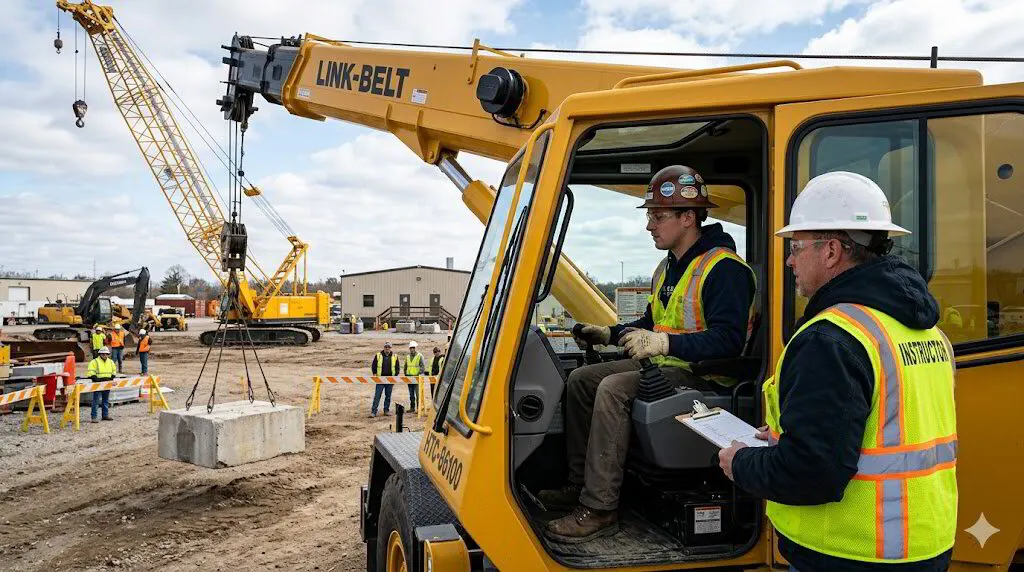 The Ultimate Guide to Crane Operator Field Training Programs: Certification & Career SuccessIn the ever-evolving construction industry, the need for certified crane operators is paramount, making effective…
-
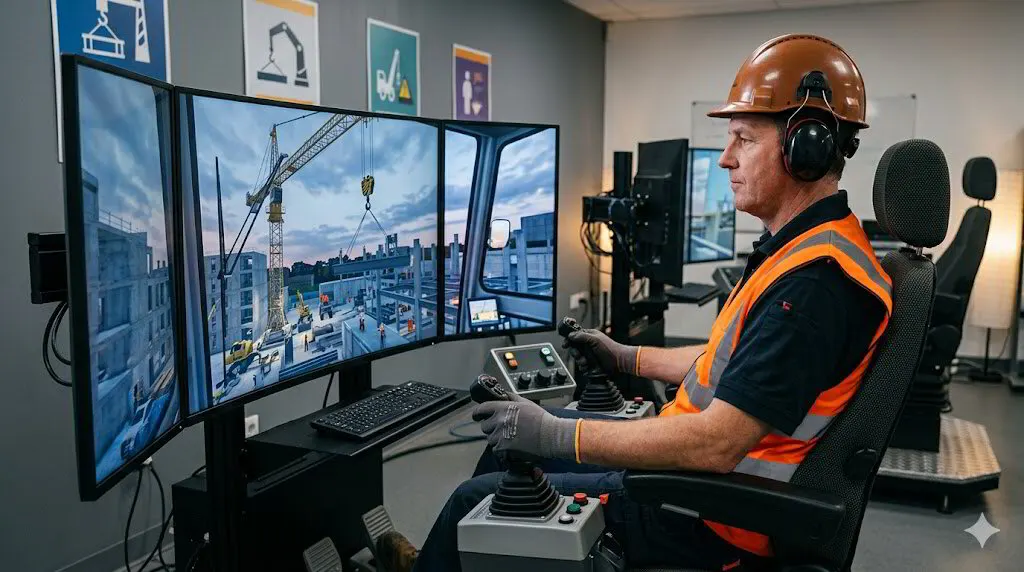 How Crane Simulators Enhance Operator Skills for Safer Construction PracticesAs the construction industry increasingly embraces technology, crane operator training has evolved significantly,…
-
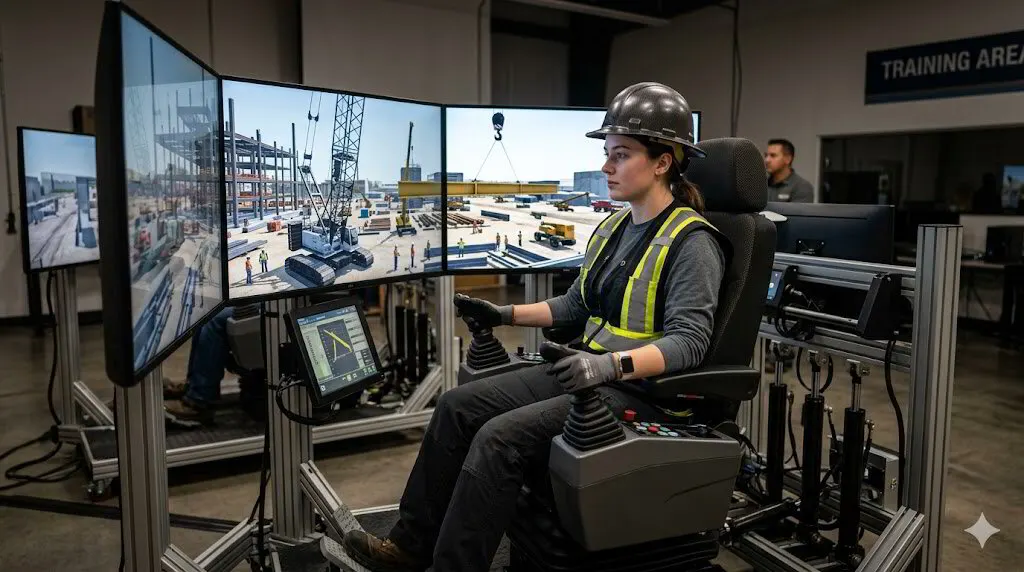 Unlocking Efficiency: The Benefits of Crane Simulator Training for Aspiring OperatorsCrane simulator training is revolutionizing the skill development of aspiring crane operators, offering a safe and…