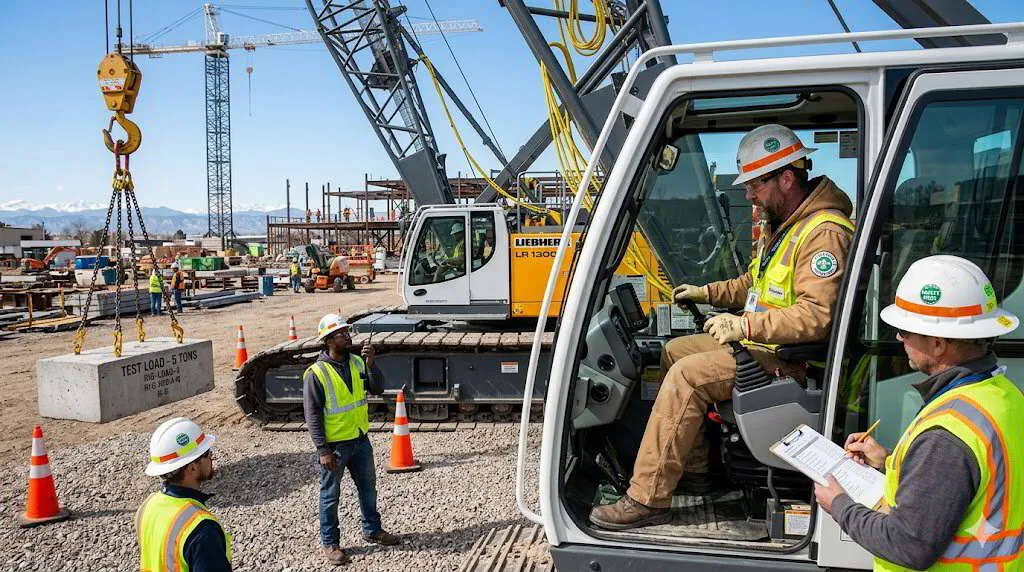
Ultimate Guide: NCCCO Certification Requirements for Crane Operators

Overview of NCCCO Certification Process
To become a certified crane operator, you need to understand the NCCCO certification requirements. The National Commission for the Certification of Crane Operators (NCCCO) sets the standards for crane operator certification in the industry. This certification ensures that operators have the necessary skills and knowledge to operate cranes safely and efficiently.
Importance of Certification for Crane Operators
Obtaining NCCCO certification demonstrates to employers and clients that crane operators have met industry standards for safety and competency. It can help your job prospects and adds to your credibility in the field. Certification is also often required for certain jobs and projects.
Benefits of NCCCO Certification
- Increased job opportunities in the construction and crane operation industry.
- Better safety practices and lower risk of accidents on job sites.
- Recognition of professional competence and expertise in operating various types of cranes.
By meeting the NCCCO certification requirements, crane operators can advance in their careers and help make construction work sites safer. For more information on how to start the certification process, visit the official NCCCO website here.
Eligibility Criteria for NCCCO Certification
Experience Requirements for Crane Operators
Crane operators seeking NCCCO certification must meet specific experience criteria. The NCCCO typically requires a minimum number of hours of practical experience operating cranes under supervision. This means candidates have practiced in a range of situations and can safely handle different types of cranes.
Educational Background Needed
While formal education requirements may vary, having a high school diploma or equivalent is often necessary to pursue NCCCO certification. Basic math skills are also essential for crane operators to perform calculations related to load capacities, boom lengths, and other critical factors in crane operation.
Age Restrictions and Other Prerequisites
In addition to experience and educational requirements, candidates must meet certain age restrictions to be eligible for NCCCO certification. Typically, individuals must be at least 18 years old to apply for certification. Crane operators also need to meet medical standards, such as good vision and physical health, so they can do the job safely.
Meeting these eligibility criteria is the first step towards obtaining NCCCO certification and advancing your career as a certified crane operator. For more details on specific prerequisites, consult the official NCCCO website here.
Required Examinations for NCCCO Certification
Written Exams for Core and Specialty Exams
As part of the NCCCO certification process, crane operators must pass written exams that assess their knowledge of core crane operation principles and specialty areas. The core exams cover fundamental topics such as load charts, rigging practices, and safety regulations, while specialty exams focus on specific crane types like mobile cranes or tower cranes.
Practical Exams for Crane Operation Skills
In addition to written exams, candidates are required to demonstrate their practical crane operation skills. Practical exams evaluate operators' ability to safely maneuver cranes, handle loads, and follow proper safety procedures. These practical exams show that operators can apply what they know in real crane operating situations.
Renewal and Recertification Exams
Maintaining NCCCO certification involves periodic renewal and recertification exams to ensure that crane operators stay up-to-date with industry standards and best practices. These exams may include updates on regulations, technological advancements in crane operation, and safety protocols. By staying current with recertification requirements, operators can continue to uphold their certification status and demonstrate their ongoing commitment to professional development.
Training Options for NCCCO Certification
Onsite Training at Accredited Facilities
One of the most common ways for crane operators to prepare for NCCCO certification is through onsite training at accredited facilities. These programs give students practice operating different types of cranes, guidance on exam preparation, and practical skills training. Onsite training lets operators work with experienced instructors and practice in real-life scenarios to build their skill.
Online Training Programs Available
For those seeking more flexible training options, online programs offer a convenient way to study for NCCCO certification. These virtual courses cover the essential knowledge required for the written exams and may include interactive modules, video tutorials, and practice tests. Online training allows crane operators to learn at their own pace and schedule, making it accessible for individuals with busy work commitments.
Importance of Hands-On Training for Success
While online resources can be valuable for exam preparation, hands-on training remains a critical component of NCCCO certification success. Practical experience in operating cranes under supervision is essential for honing skills, building confidence, and applying theoretical knowledge in real-world settings. Combining online learning with hands-on training ensures a well-rounded preparation for the certification exams.

Costs Associated with NCCCO Certification
Examination Fees and Registration Costs
Obtaining NCCCO certification involves various costs, including examination fees and registration expenses. Candidates must pay fees to register for the written and practical exams required for certification. These fees cover the administrative costs of exam processing, assessment, and certification issuance. It is essential for candidates to budget for these fees when planning to pursue NCCCO certification.
Training Program Expenses
Enrolling in training programs to prepare for NCCCO certification also comes with associated costs. Training providers may charge tuition fees for onsite or online training courses, which include instruction, study materials, and practice sessions. Good training gives you the knowledge and skills you need to pass the certification exams.
Additional Costs for Study Materials and Renewals
In addition to exam and training expenses, crane operators should budget for study materials and resources to aid in exam preparation. Study guides, practice exams, and reference materials help you learn and improve your chances of passing the certification exams. Keeping NCCCO certification also requires periodic renewals, which may involve renewal fees and continuing education costs.
Understanding the costs associated with NCCCO certification is essential for candidates planning to pursue certification and advance their careers in crane operation. For detailed information on current examination fees and renewal costs, refer to the official NCCCO website here.
Maintaining NCCCO Certification
Continuing Education Requirements
To uphold their NCCCO certification, crane operators must fulfill continuing education requirements. This involves staying informed about industry updates, new regulations, and best practices in crane operation. Ongoing education ensures that operators remain knowledgeable about the latest safety protocols and technological advancements in the field.
Renewal Processes and Deadlines
Renewing NCCCO certification is how you keep your status as a certified crane operator. Operators must adhere to renewal processes set by the NCCCO, which often involve submitting renewal applications, meeting specified criteria, and paying renewal fees. It is essential to keep track of renewal deadlines to avoid certification expiration.
Consequences of Letting Certification Expire
Allowing NCCCO certification to lapse can have significant consequences for crane operators. Operating cranes without valid certification may lead to legal consequences, job loss, or limited career opportunities. It is imperative for operators to stay proactive in renewing their certification on time to maintain their professional credentials and uphold safety standards in crane operation.
FAQ
- What is the NCCCO certification process for crane operators?
The NCCCO certification process for crane operators involves meeting experience and educational requirements, passing written and practical exams, and maintaining certification through renewals and continuing education.
The NCCCO certification process for crane operators involves meeting experience and educational requirements, passing written and practical exams, and maintaining certification through renewals and continuing education.
- How can I prepare for the NCCCO certification exams?
To prepare for the NCCCO certification exams, candidates can enroll in training programs, study relevant materials, practice practical skills, and utilize online resources and study guides. - What are the benefits of NCCCO certification for a crane operator?
NCCCO certification demonstrates professional competence, shows compliance with industry standards, and promotes a culture of safety in crane operation. - 4. Are there specific eligibility criteria for NCCCO certification?
Yes, specific eligibility criteria for NCCCO certification include experience requirements, educational background, age restrictions, and meeting medical standards for crane operators. - How long does NCCCO certification last and what is the renewal process?
NCCCO certification typically lasts for five years, after which operators must undergo renewal processes that involve fulfilling continuing education requirements, submitting renewal applications, and paying renewal fees.