Understanding ASME B30 Crane Safety Regulations: A Comprehensive Comparison for Operators
Introduction to ASME B30 Crane Safety Regulations
The American Society of Mechanical Engineers (ASME) B30 standards are the foundation of crane safety in the United States. They set detailed guidelines for nearly every part of crane operations. These ASME B30 crane safety regulations encompass a detailed framework covering design, construction, installation, inspection, testing, maintenance, and operation of cranes and related lifting equipment.
For construction professionals and aspiring crane operators, understanding these regulations is not merely beneficial—it's essential for career advancement and workplace safety. The ASME B30 standards serve as the foundation upon which other certification programs, including NCCCO crane certification, build their requirements. These regulations directly influence crane safety training protocols and establish minimum competency standards that operators must meet.
Modern construction projects need operators who are skilled and well versed in regulatory compliance. Companies investing in proper crane training programs that align with ASME B30 requirements protect themselves from liability while ensuring their teams possess the crane operator skills necessary for safe, efficient operations. This comparison looks at how these core regulations line up with certification requirements and training standards, to give crane professionals a clear picture.
Key ASME B30 Standards Explained
The ASME B30 series comprises multiple volumes, each addressing specific types of cranes and lifting equipment. Operators who work with different crane configurations need to know these individual standards, and so do companies building crane training programs.
ASME B30.3 governs tower cranes, establishing stringent requirements for installation, operation, and maintenance. This standard addresses the unique challenges of tower crane operations, including height restrictions, load charts, and weather limitations. Tower crane operators must demonstrate proficiency in understanding wind speed limitations, proper assembly procedures, and coordination with signal persons during complex lifts.
ASME B30.5 covers mobile cranes, the most commonly encountered equipment in construction settings. This standard details requirements for outrigger setup, load chart interpretation, and travel limitations. Mobile crane operators must master concepts such as quadrant operation, load radius calculations, and proper rigging techniques. The standard also covers key safety items such as swing radius clearances and ground bearing pressure calculations.
ASME B30.4 addresses portal, tower, and pedestal cranes, while ASME B30.6 covers derricks. These standards establish specific operational parameters for specialized lifting equipment often used in industrial settings and heavy construction projects.
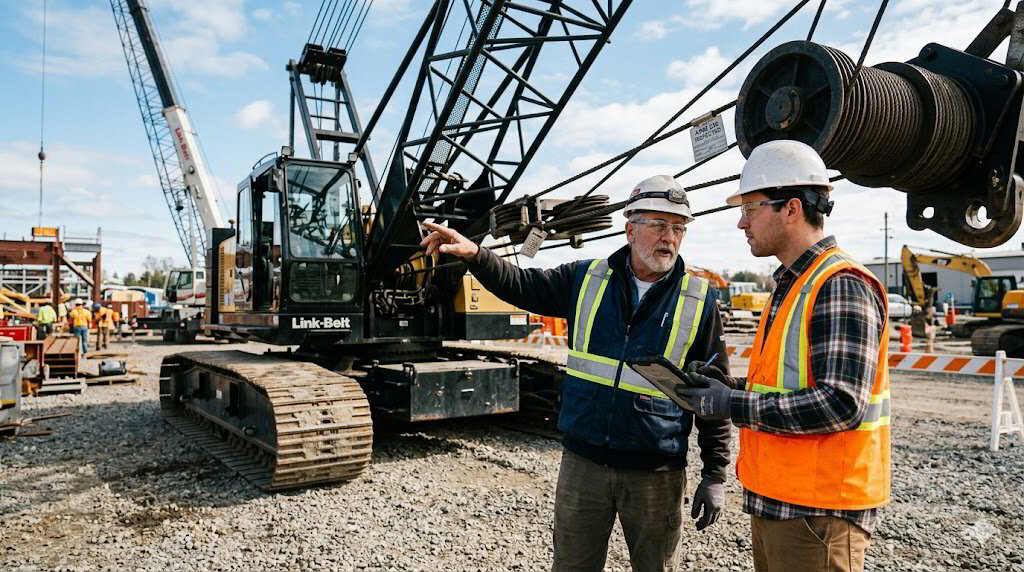
Each standard within the ASME B30 crane safety regulations framework includes detailed inspection requirements, operational limitations, and maintenance protocols. For lattice boom cranes, operators must understand boom angle limitations, counterweight requirements, and the critical importance of load block positioning. These technical requirements shape ASME B30 training requirements, so operators are taught both theory and practical application.
The interconnected nature of these standards means that experienced operators often require training across multiple volumes, particularly in companies that maintain diverse crane fleets. This approach to heavy lifting regulations keeps safety standards consistent no matter the equipment type.
Comparing ASME B30 Regulations with NCCCO Certification Requirements
The National Commission for the Certification of Crane Operators (NCCCO) has established itself as the certification body for crane operators in the United States, building its certification framework directly upon ASME B30 crane safety regulations. This alignment ensures that certified operators possess the knowledge and skills necessary to comply with industry standards while meeting legal requirements for crane operation.
Foundation and Structure
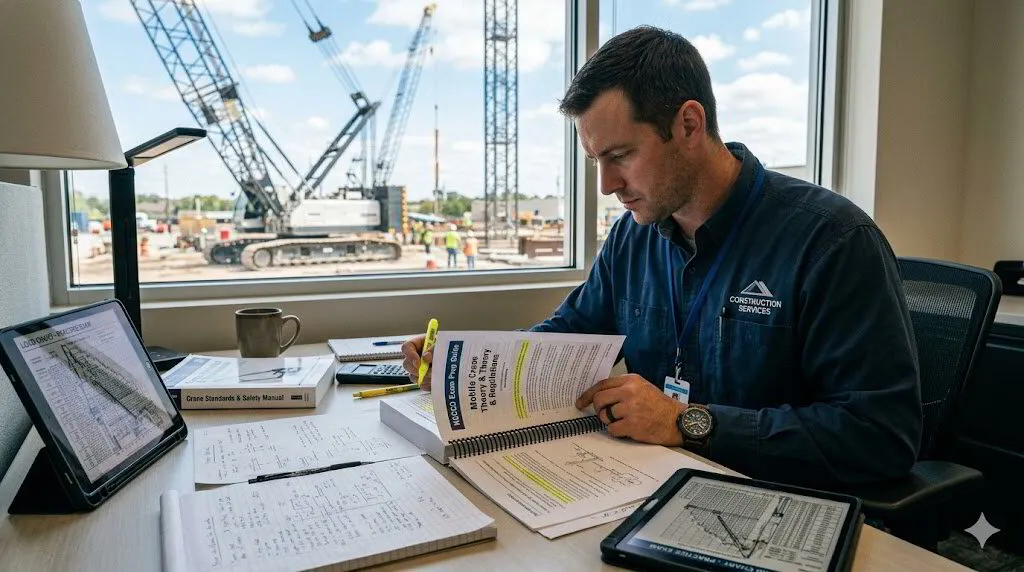
NCCCO certification requirements draw extensively from ASME B30 standards, incorporating the technical specifications and safety protocols established in these regulations. The written examinations test candidates' understanding of load charts, inspection procedures, and operational limitations as defined in relevant ASME B30 volumes. This direct correlation means that thorough preparation for NCCCO certification inherently involves mastering ASME B30 requirements.
Practical Application Standards
While ASME B30 provides the technical framework, NCCCO certification adds practical demonstration requirements that validate operators' ability to apply regulatory knowledge in real-world scenarios. The practical examination component requires candidates to demonstrate proficiency in pre-operational inspections, load handling procedures, and emergency response protocols as specified in ASME B30 standards.
Certification Benefits and Compliance
Operators who achieve NCCCO crane certification demonstrate verifiable competency in ASME B30 compliance, providing employers with confidence in their teams' capabilities. This certification serves as evidence of regulatory knowledge during OSHA inspections and can significantly reduce liability exposure for construction companies. Many insurance providers recognize NCCCO certification as evidence of proper training and may offer reduced premiums for companies employing certified operators.
Training Integration
Effective crane safety training programs must address both ASME B30 regulatory requirements and NCCCO certification standards simultaneously. This integrated approach teaches operators what regulations require and how to demonstrate compliance through standardized testing procedures. Companies that train their teams on both frameworks help them work to high safety standards.
Together, ASME B30 regulations and NCCCO certification give a solid framework for operator competency. That helps the construction industry through better safety and consistent skill levels.
Importance of Proper Training Under ASME B30 Guidelines
Crane operator training that follows ASME B30 crane safety regulations is basic to preventing accidents and staying in compliance. The complexity of modern crane operations demands systematic training approaches that address both technical competency and safety awareness.
Training Protocol Development
ASME B30 standards establish minimum training requirements that companies must meet to ensure operator competency. These guidelines specify that operators must receive instruction in equipment-specific procedures, load handling techniques, and emergency response protocols. Effective training programs incorporate both classroom instruction and hands-on practice, ensuring operators understand theoretical concepts while developing practical skills.
Best Practices for Compliance Training
Successful crane safety training programs following ASME B30 guidelines emphasize progressive skill development. Beginning operators start with fundamental concepts such as load chart interpretation and basic rigging principles before advancing to complex operations like tandem lifts or precision placement work. This structured approach ensures operators develop solid foundational knowledge before tackling advanced procedures.
Regular refresher training is essential for maintaining competency and staying current with regulatory updates. ASME B30 standards undergo periodic revisions, and operators must understand how these changes affect their daily operations. Companies that implement ongoing training programs demonstrate commitment to safety while ensuring their teams remain current with evolving industry standards.
Consequences of Training Deficiencies
Case studies of crane accidents frequently reveal training inadequacies as contributing factors. A 2019 incident involving a tower crane collapse highlighted the critical importance of proper assembly training per ASME B30.3 requirements. Investigators found that inadequate training on foundation requirements and weather limitations contributed to the failure, resulting in significant property damage and regulatory penalties.
Another documented case involved a mobile crane overturn caused by improper outrigger setup. The operator had not received adequate training on soil bearing capacity evaluation as required by ASME B30.5, leading to ground failure during a critical lift. These incidents show why training needs to cover every part of ASME B30 compliance.
Integration with OSHA Regulations
OSHA regulations for crane operations reference ASME B30 standards extensively, making compliance training essential for meeting federal safety requirements. Companies that invest in thorough training programs reduce their exposure to OSHA citations while creating safer work environments for their employees.
Components of Effective Crane Operator Training
Building a crane training program takes careful attention to several elements that work together to produce competent, safety-minded operators. The most effective programs integrate ASME B30 crane safety regulations with practical skill development and ongoing assessment.
Essential Curriculum Elements
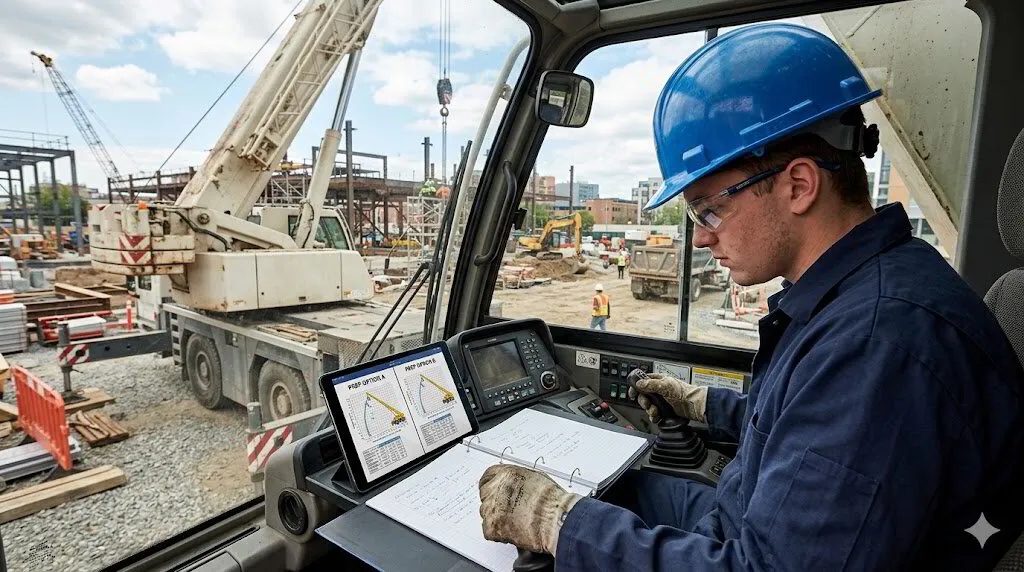
Effective training begins with thorough coverage of equipment-specific regulations and operational procedures. Students must master load chart interpretation, understanding how factors such as boom length, load radius, and crane configuration affect lifting capacity. This technical foundation enables operators to make informed decisions during complex lifting operations while maintaining compliance with ASME B30 requirements.
Rigging and signal person certification components are equally critical, as crane operations typically involve coordinated team efforts. Operators must understand proper rigging techniques, sling selection criteria, and communication protocols. This approach makes sure every team member understands their responsibilities and can work with others safely and efficiently.
Practical Training Sessions and Equipment Practice
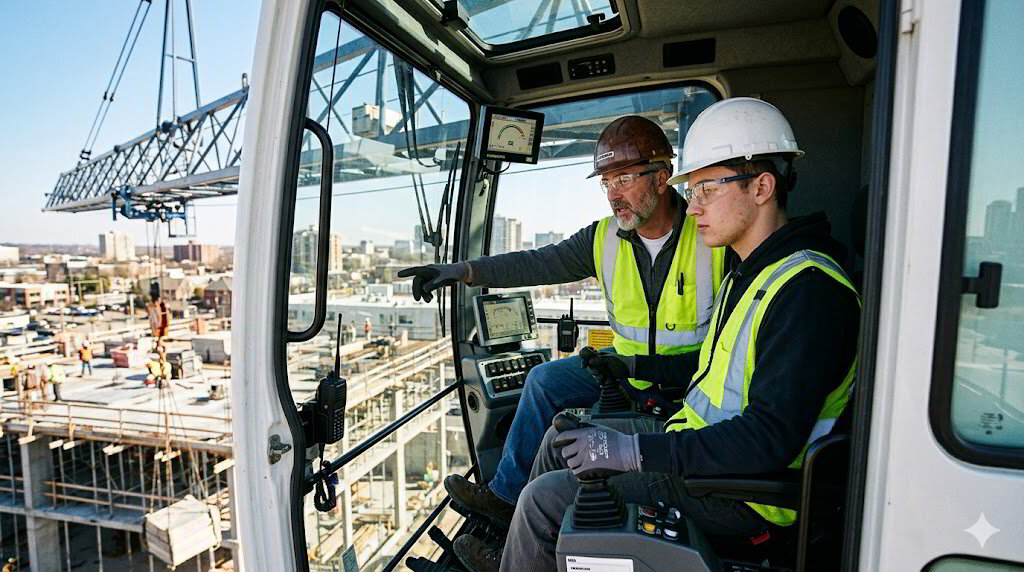
Hands-on training using actual equipment allows students to apply theoretical knowledge in controlled environments. Practical training sessions should include pre-operational inspections, basic lifting exercises, and emergency procedures. Students operate different crane types, so they learn how various equipment configurations differ.
Equipment practice time must be structured to build confidence while reinforcing safety principles. Beginning operators should master basic functions before progressing to complex maneuvers such as load positioning or coordinated lifts. This progressive approach ensures operators develop solid fundamental skills before tackling advanced procedures.
Assessment and Certification Pathways
Continuous assessment throughout training programs helps identify areas where students need additional instruction. Regular evaluations of both theoretical knowledge and practical skills ensure students meet competency standards before advancing to independent operation. This systematic approach reduces the likelihood of accidents while building operator confidence.
Multiple certification pathways allow students to specialize in specific equipment types or operational environments. Some operators focus on mobile crane operations, while others pursue tower crane or specialty equipment certification. This flexibility enables training programs to meet diverse industry needs while ensuring all operators receive appropriate instruction for their intended roles.
Integration with Industry Standards
The most effective crane operator skills development programs maintain close alignment with industry standards and employer expectations. Regular consultation with construction companies and equipment manufacturers helps training providers understand evolving industry needs and adjust curricula accordingly. This ongoing collaboration ensures graduates possess the skills and knowledge that employers value most.
Conclusion and Next Steps
Understanding ASME B30 crane safety regulations is essential for anyone involved in crane operations, from aspiring operators to experienced professionals seeking to advance their careers. These standards are the basis for safe, efficient crane operations and set minimum competency requirements that protect workers and the public.
The relationship between ASME B30 regulations and NCCCO certification gives a solid framework for operator development that benefits the whole construction industry. Companies that train to both regulatory requirements and certification standards show a clear commitment to safety.
Proper training under ASME B30 guidelines requires systematic approaches that combine theoretical instruction with practical skill development. The most effective programs integrate multiple training components, including equipment-specific instruction, hands-on practice, and ongoing assessment. This approach helps operators build the skill and confidence they need for safe, productive crane operations.
Construction professionals and companies that want stronger crane operations should train with experienced providers. Quality training programs provide the knowledge and skills necessary to meet regulatory requirements while preparing operators for successful careers in the construction industry.
Proper crane safety training and NCCCO crane certification pay off in fewer accidents, better productivity, and better regulatory compliance. Companies that put training first build safer work sites and teams that can handle difficult lifts.
Ready to build your crane operation skills?Miller Crane Works offers crane operator certification and training programs that meet ASME B30 requirements and prepare candidates for NCCCO certification. Our experienced instructors provide hands-on training using modern equipment, ensuring students develop both the theoretical knowledge and practical skills necessary for safe, efficient crane operations.
Visit https://millercraneworks.com/ to learn more about our crane operator certification courses, mobile crane training, tower crane programs, and rigger certification options. Take the next step toward advancing your career in crane operations with Miller Crane Works' professional training programs. ASME B30 Crane Standards Crane Safety Regulations Operator Compliance Guide