"Qualified" and "certified" sound interchangeable, but in OSHA's crane rules they mean different things, and the difference decides what training you need. Here is how the two terms work for each role on a lifting crew.
The short version
A certification is issued by an independent testing organization after you pass its exams. It belongs to you and goes with you from one employer to the next. A qualification means someone has determined you have the knowledge and ability to do a task. Depending on the rule, that can be done through a recognized credential, training, or an evaluation by a qualified evaluator, and some qualifications are only recognized by the employer who did the evaluating.
OSHA's crane standard, 29 CFR 1926 Subpart CC, uses both words on purpose. Operators must be certified. Riggers and signal persons must be qualified.
Operators: certification is the rule
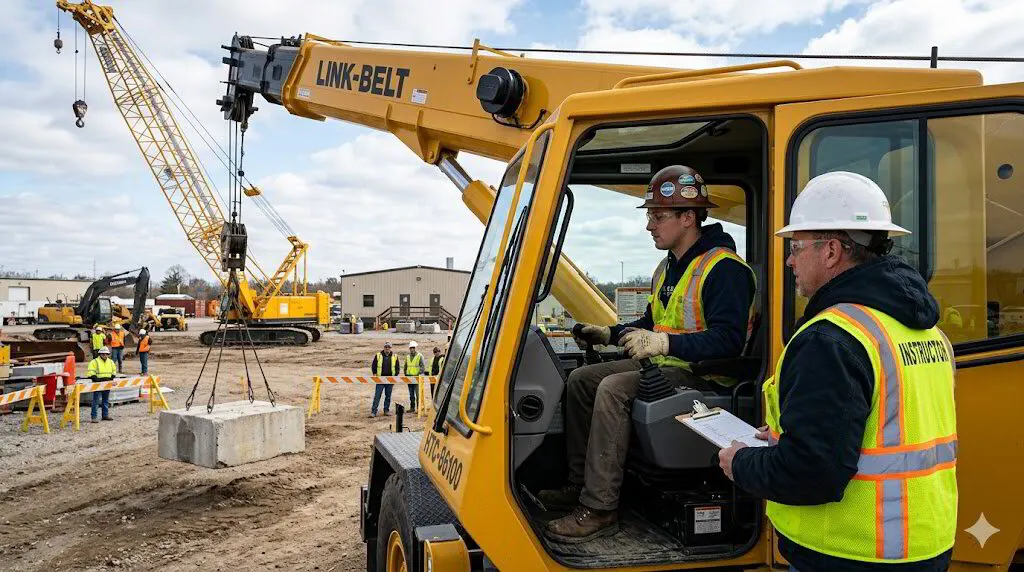
Under 1926.1427, a crane operator on a construction site must be certified by an accredited crane operator testing organization for the type of crane they operate. NCCCO is the best-known one. Certification requires passing written and practical exams.
Certification is not the end of it. The employer must also evaluate the operator and confirm they can safely run the specific equipment and do the assigned tasks. So a certified operator still has to prove themselves to each employer, and an uncertified person can run a crane only as an operator-in-training under the conditions the rule sets out, such as continuous supervision.
Riggers: qualified, by one of several routes
OSHA defines a qualified person in 1926.1401 as someone who, by a recognized degree, certificate or professional standing, or by extensive knowledge, training and experience, has shown the ability to solve problems related to the work. A qualified rigger is that kind of person for rigging. The rule requires one in specific situations, such as when workers are in the fall zone while hooking, unhooking or guiding a load (1926.1425) and during assembly and disassembly work (1926.1404).
That definition means a certificate is one way to show qualification, but not the only one. Many employers and project owners prefer a third-party card such as NCCCO Rigger Level I because it is easy to verify and portable.
Signal persons: qualified through an evaluator
Rule 1926.1428 lays out how a signal person becomes qualified: either through a third-party qualified evaluator or through the employer's own qualified evaluator. The person must know and understand the signals being used, have a basic understanding of crane operation and limitations, and pass an oral or written test and a practical test.
The difference between those two routes matters. A qualification documented by a third party, such as NCCCO Signalperson certification, is portable. A qualification by an employer's evaluator applies only to that employer, so it does not carry over to a new job.
Choosing between the two
A few questions sort out what you need:
- Will you operate cranes? You need operator certification for each crane type you run.
- Will you change employers or work for contractors on owner-controlled sites? A portable third-party certification for rigging and signaling avoids starting over each time.
- Does your employer only need the crew trained for its own work? A shorter qualification may cover it, as long as it meets the employer's and the site's requirements.
When in doubt, ask the project owner or your safety manager which documentation they accept before you enroll.
How our courses line up with each path
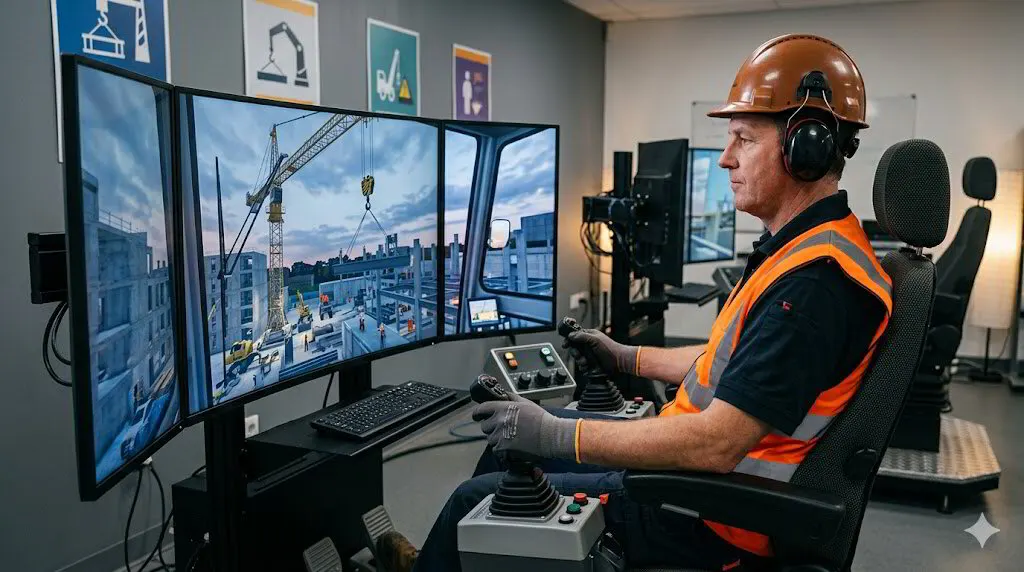
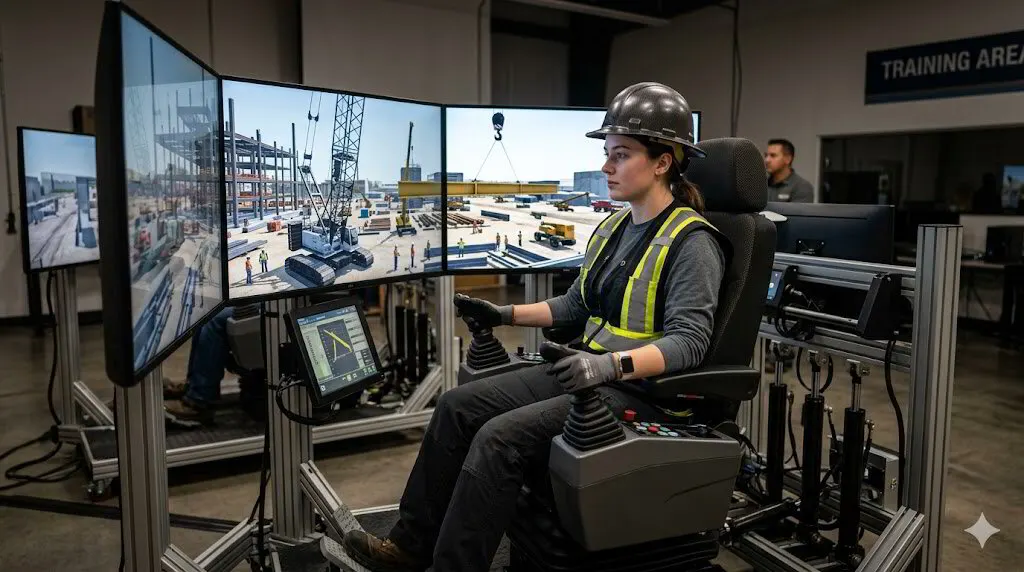
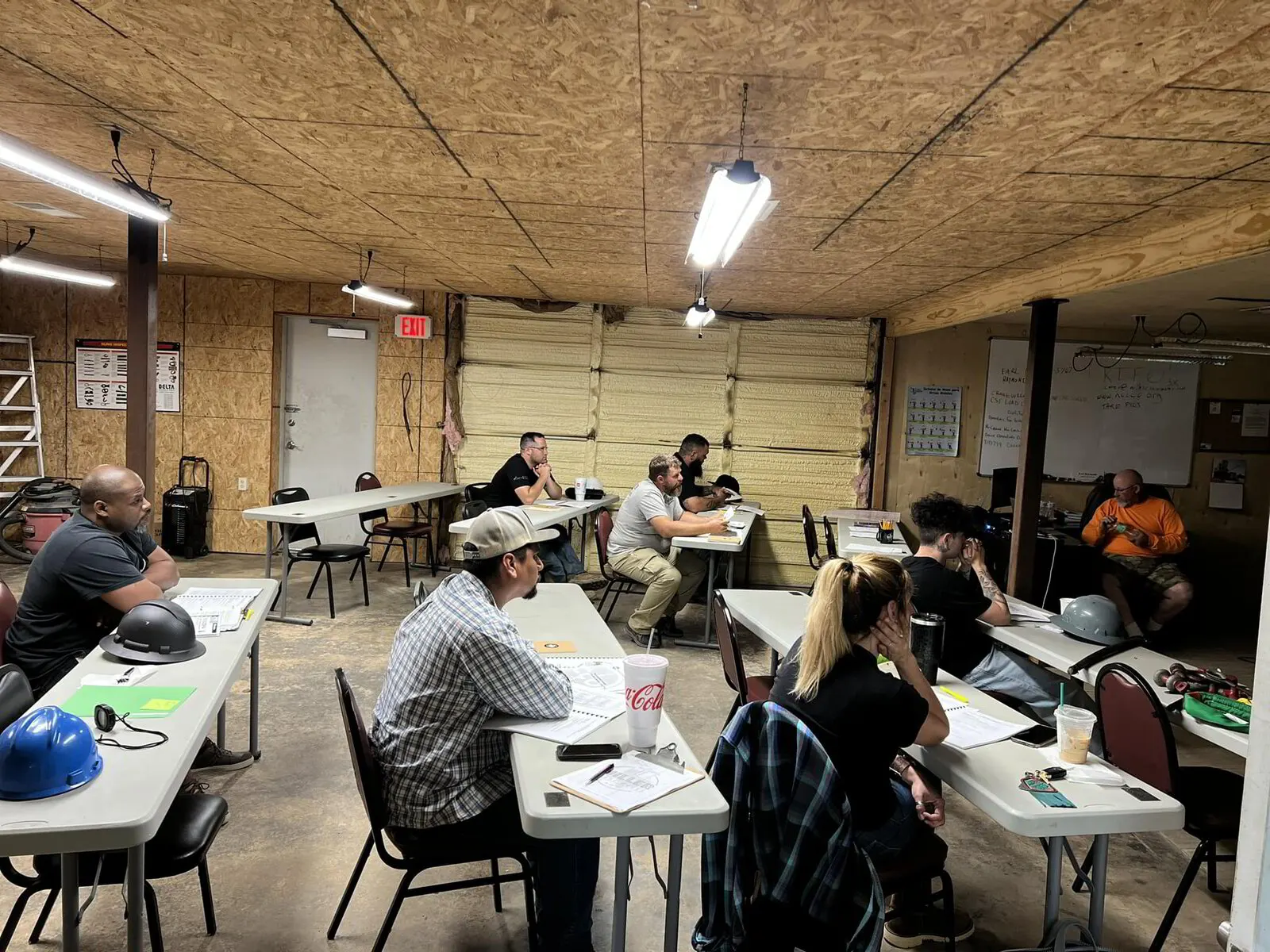
We offer both kinds of rigging and signaling training. The Rigger/Signal Person Certification Level I 28 Hours course prepares students for the NCCCO Rigger Level I and Signalperson certifications. The Miller Crane Works Level I Rigger/Signal Person 4 Hours course is a Miller Crane Works qualification, not an NCCCO certification; it suits employers who need a crew trained in the basics. For operators, Mobile Crane Operations Fixed/Swing Cab 120 Hours prepares you for NCCCO mobile crane certification. Call us if you are not sure which fits.
Qualification and certification questions
Is the 4-hour rigger/signal person course an NCCCO certification?
No. It is a Miller Crane Works qualification. For NCCCO Rigger Level I and Signalperson certification, take the 28-hour course and pass NCCCO's exams.
Does my signal person qualification transfer to a new employer?
It depends on who qualified you. A qualification from a third-party qualified evaluator, such as an NCCCO certification, is portable. One from an employer's own evaluator is not.
Can a certified operator run any crane?
No. Certification is by crane type, and the employer must still evaluate the operator on the specific equipment before assigning the work.