
Introduction
In the construction and heavy lifting industry, crane operators hold positions of tremendous responsibility, managing equipment that can weigh hundreds of tons and perform critical lifting operations at significant heights. The importance of proper certification cannot be overstated, as it directly impacts workplace safety, operational efficiency, and legal compliance. Two primary certification pathways dominate the crane operator training landscape: the National Commission for the Certification of Crane Operators (NCCCO) and the Occupational Safety and Health Administration (OSHA) certification programs.
Understanding the differences between NCCCO and OSHA crane certification is crucial for aspiring crane operators, construction professionals, and employers seeking to ensure their workforce meets industry standards. Both certification types serve essential roles in establishing crane safety standards and validating operator competency, yet they approach training and certification through distinctly different methodologies and requirements.
The choice between these certification pathways can significantly impact career opportunities, job site compliance, and overall professional development. While some operators may benefit from pursuing both certifications, others may find that one pathway better aligns with their career goals and local industry requirements. This comprehensive analysis will explore the fundamental characteristics, requirements, and applications of each certification type to help you make an informed decision about your crane operator training journey.
What is NCCCO Certification?
The National Commission for the Certification of Crane Operators represents the gold standard in crane operator certification, established as an independent, non-profit organization dedicated to enhancing construction safety through rigorous operator testing and certification programs. Founded in 1995, NCCCO has become the most widely recognized crane operator certification body in North America, with over 600,000 certified operators across various crane types and specializations.
Each certification requires candidates to demonstrate both theoretical knowledge and practical operating skills through written examinations and hands-on practical tests. The NCCCO certification process emphasizes thorough understanding of load charts, rigging principles, crane dynamics, and safety protocols specific to each crane type.
The organization provides specialized certifications beyond basic operator credentials, including rigger certifications, signal person certifications, and lift director credentials. These additional certifications recognize the collaborative nature of crane operations and ensure that all personnel involved in lifting operations possess appropriate knowledge and skills. NCCCO's rigging and signaling training programs complement operator certifications by addressing the critical support roles essential for safe crane operations.
One of NCCCO's most significant advantages lies in its industry-wide recognition and acceptance. Major construction companies, general contractors, and project owners frequently specify NCCCO certification as a requirement for crane operators working on their projects. This widespread acceptance stems from NCCCO's rigorous testing standards, comprehensive scope of knowledge assessment, and commitment to maintaining current industry best practices.
The NCCCO certification process includes both written and practical components, with written examinations covering core knowledge areas such as basic crane operation, load charts, rigging, and safety protocols. Practical examinations require candidates to demonstrate actual operating skills using specific crane types under controlled testing conditions. This dual-assessment approach ensures that certified operators possess both theoretical understanding and practical competency necessary for safe crane operations.
What is OSHA Crane Certification?
The Occupational Safety and Health Administration approaches crane certification through regulatory compliance rather than voluntary credentialing, establishing mandatory safety standards that govern crane operations across all industries under federal jurisdiction. OSHA's crane and derrick standard, codified in 29 CFR 1926 Subpart CC, requires employers to ensure that crane operators are competent to operate equipment safely, but provides flexibility in how this competency is demonstrated and maintained.
OSHA crane training focuses primarily on regulatory compliance and workplace safety requirements, emphasizing hazard recognition, accident prevention, and adherence to established safety protocols. The administration's approach recognizes that crane operations involve complex interactions between equipment, operators, and work environments, requiring comprehensive understanding of safety principles rather than just technical operating skills.
Under OSHA regulations, employers bear responsibility for ensuring operator competency through various acceptable methods, including formal training programs, apprenticeships, or demonstration of equivalent experience and knowledge. This flexibility allows employers to choose training approaches that best suit their operational needs while maintaining compliance with federal safety standards. OSHA crane training often integrates with broader workplace safety programs, creating comprehensive safety cultures within organizations.
The key components of OSHA crane certification include hazard identification and avoidance, equipment inspection procedures, load calculation and rigging principles, communication protocols, and emergency response procedures. OSHA training programs emphasize practical application of safety principles in real-world work environments, often incorporating site-specific training elements that address unique hazards and operational challenges faced by individual employers.
The administration recognizes that different industries and work sites present unique challenges requiring tailored safety approaches. This flexibility enables employers to develop training programs that address specific operational needs while maintaining compliance with overarching safety standards. OSHA's emphasis on employer responsibility creates accountability systems that extend beyond individual operator certification to encompass comprehensive safety management practices.
Comparative Analysis of NCCCO and OSHA Certifications
The differences between NCCCO and OSHA crane certification become most apparent when examining their fundamental approaches to operator competency verification and ongoing professional development. NCCCO operates as a voluntary certification organization focused on establishing and maintaining professional standards, while OSHA functions as a regulatory agency ensuring workplace safety compliance through mandatory requirements.
Certification Process DifferencesNCCCO follows a standardized, nationally consistent certification process requiring all candidates to pass identical written and practical examinations regardless of geographic location or employer. This standardization ensures uniform competency levels across all NCCCO-certified operators and facilitates operator mobility between different projects and employers. The NCCCO certification process includes rigorous preparation requirements, formal testing procedures, and ongoing recertification mandates that maintain professional standards throughout operators' careers.
Employers may choose from various acceptable training methods including formal classroom instruction, on-the-job training, apprenticeship programs, or combination approaches. This flexibility allows customization of training content to address specific workplace hazards and operational requirements, but may result in varying competency levels between operators trained through different programs.
Duration and Cost ConsiderationsNCCCO certification typically requires substantial time investment for examination preparation, formal training completion, and testing procedures. Most candidates invest several weeks in preparation activities including classroom instruction, hands-on practice, and study time before attempting certification examinations. The comprehensive nature of NCCCO testing requires thorough understanding of complex technical subjects including load chart interpretation, crane dynamics, and advanced rigging principles.
OSHA training programs often emphasize efficiency and practical application, with duration varying based on operator experience levels and specific training objectives. However, comprehensive OSHA training programs may require similar time investments to NCCCO certification when addressing complex operational environments or specialized equipment types.
Industry Recognition and AcceptanceNCCCO certification enjoys widespread recognition across the construction industry, with many major contractors, project owners, and insurance companies specifically requiring NCCCO credentials for crane operators. This recognition extends beyond individual projects to include industry-wide acceptance that facilitates operator mobility and career advancement opportunities. NCCCO's reputation for rigorous testing and comprehensive competency verification has established it as the preferred certification for many industry stakeholders.
However, OSHA training often addresses broader safety concerns that complement technical operating skills, providing valuable knowledge applicable across various workplace situations. Some employers prefer OSHA training because it integrates with existing safety programs and addresses site-specific hazards more effectively than standardized certification programs.
Scope and SpecializationNCCCO offers highly specialized certifications for specific crane types, operational scenarios, and support roles including rigger and signal person credentials. This specialization enables operators to demonstrate expertise in particular areas while building comprehensive skill sets across multiple certification categories. The detailed scope of NCCCO certifications provides clear pathways for professional development and career advancement within the crane operations field.
OSHA training typically addresses broader safety principles applicable across various equipment types and operational scenarios. While this approach may lack the technical depth of NCCCO certification, it provides comprehensive understanding of workplace safety principles that extend beyond crane operations to encompass overall job site safety management.
Similarities Between NCCCO and OSHA Certifications
Despite their different approaches and organizational structures, NCCCO and OSHA certifications share fundamental commitments to promoting crane safety standards and ensuring operator competency. Both certification pathways recognize that proper training and ongoing education are essential for preventing accidents, protecting workers, and maintaining productive construction operations.
Safety-Focused Training PhilosophyBoth NCCCO and OSHA prioritize safety as the primary objective of crane operator training, emphasizing accident prevention, hazard recognition, and protective measures that safeguard operators and surrounding personnel. This shared focus ensures that operators certified through either pathway possess essential safety knowledge and demonstrate commitment to maintaining safe work environments. Both organizations recognize that technical operating skills must be coupled with comprehensive safety awareness to achieve optimal operational outcomes.
The training requirements established by both organizations address critical safety elements including pre-operational equipment inspections, load calculation procedures, communication protocols, and emergency response measures. These common elements ensure that certified operators understand their responsibilities for maintaining safe operations regardless of which certification pathway they pursue.
Comprehensive Training RequirementsBoth certification approaches require substantial training investments covering theoretical knowledge, practical skills development, and ongoing competency maintenance. NCCCO and OSHA training programs address complex technical subjects including crane mechanics, load dynamics, rigging principles, and operational planning. This comprehensive scope ensures that certified operators possess well-rounded knowledge bases supporting safe and efficient crane operations.
The practical training components required by both organizations emphasize hands-on experience with actual equipment under supervised conditions. This practical focus ensures that operators can apply theoretical knowledge effectively in real-world operational scenarios while developing the judgment and decision-making skills essential for safe crane operations.
Industry Acceptance and Professional RecognitionBoth NCCCO and OSHA certifications enjoy widespread acceptance within the construction industry, with employers, insurance companies, and regulatory agencies recognizing both pathways as valid demonstrations of operator competency. This dual acceptance provides operators with flexibility in choosing certification approaches while ensuring that their credentials will be recognized by potential employers and project stakeholders.
The professional recognition associated with both certification types supports career advancement opportunities and demonstrates operators' commitments to maintaining current knowledge and skills. Both organizations contribute to elevating the professional status of crane operators by establishing clear competency standards and promoting ongoing professional development.
Which Certification is Right for You?
Selecting between NCCCO and OSHA crane certification requires careful consideration of individual career goals, local industry requirements, employer preferences, and long-term professional development objectives. The decision should align with your specific circumstances while positioning you for success in your chosen career path within the crane operations field.
Individual Assessment CriteriaFor aspiring crane operators seeking maximum career flexibility and industry recognition, NCCCO certification often provides the strongest foundation for professional advancement. The widespread acceptance of NCCCO credentials across different geographic regions and industry sectors creates opportunities for operators to work on diverse projects with various employers. NCCCO's standardized certification process ensures that your credentials will be consistently recognized regardless of where your career takes you.
Consider your learning preferences and available time for certification completion when evaluating different options. NCCCO certification requires structured preparation and formal testing procedures that may appeal to individuals who prefer systematic learning approaches. OSHA training often provides more flexibility in scheduling and delivery methods, which may better accommodate working professionals with limited time availability for formal training programs.
Employer Considerations and Industry RequirementsResearch the specific requirements and preferences of employers in your target market to ensure your certification choice aligns with local industry standards. Many large construction companies and federal projects specifically require NCCCO certification, making this credential essential for operators seeking opportunities in these sectors. Conversely, some employers may prefer OSHA training because it integrates more effectively with their existing safety programs and operational procedures.
Consider the types of projects and work environments that interest you most when evaluating certification options. Complex construction projects, high-rise construction, and specialized lifting operations often require NCCCO certification due to the technical expertise and standardized competency verification these credentials provide. Industrial maintenance, routine construction operations, and site-specific work may be equally well-served by comprehensive OSHA training programs.
Long-term Career PlanningEvaluate your long-term career objectives and professional development goals when choosing between certification pathways. Operators aspiring to supervisory roles, specialized positions, or consulting opportunities may benefit from NCCCO certification's comprehensive scope and industry recognition. The additional certifications available through NCCCO, including rigger and signal person credentials, provide clear pathways for expanding your skill set and advancing within the crane operations field.
Consider pursuing both certification types if your career goals include working across diverse industry sectors or geographic regions. Many successful crane operators maintain both NCCCO and OSHA credentials to maximize their employment opportunities and demonstrate comprehensive competency to potential employers. This dual-certification approach requires additional time and financial investment but may provide significant career advantages in competitive job markets.
Conclusion
The differences between NCCCO and OSHA crane certification reflect distinct approaches to ensuring operator competency and promoting workplace safety within the construction industry. NCCCO provides standardized, nationally recognized certification that emphasizes technical expertise and comprehensive competency verification through rigorous testing procedures.
Both certification pathways serve essential roles in promoting crane safety standards and supporting professional development within the crane operations field. Your choice between these options should align with your career objectives, local industry requirements, and personal learning preferences while positioning you for long-term success in this challenging and rewarding profession.
The investment in proper crane operator training through either certification pathway demonstrates your commitment to safety, professionalism, and ongoing competency development. As the construction industry continues evolving with new technologies, safety requirements, and operational challenges, certified operators who maintain current knowledge and skills will find the greatest opportunities for career advancement and professional satisfaction.
Whether you choose NCCCO certification, OSHA training, or both pathways, the key to success lies in selecting high-quality training programs that provide comprehensive preparation and ongoing support throughout your certification journey.
-
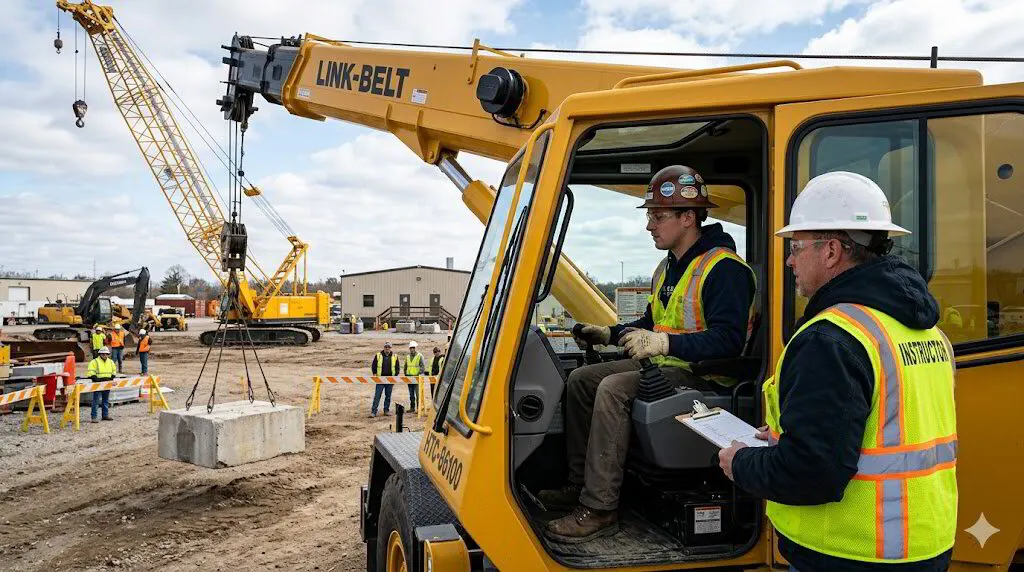 The Ultimate Guide to Crane Operator Field Training Programs: Certification & Career SuccessIn the ever-evolving construction industry, the need for certified crane operators is paramount, making effective…
-
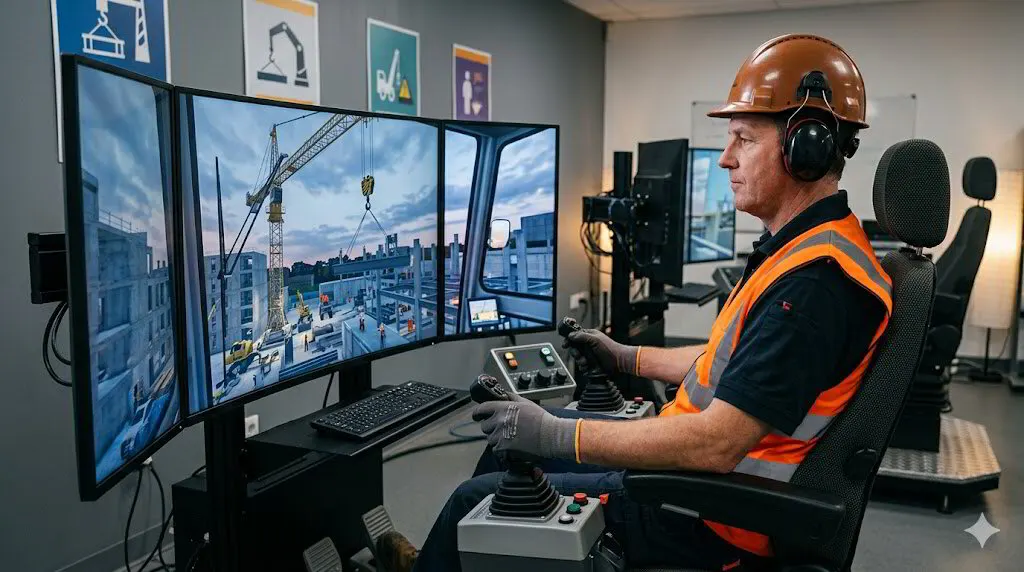 How Crane Simulators Enhance Operator Skills for Safer Construction PracticesAs the construction industry increasingly embraces technology, crane operator training has evolved significantly,…
-
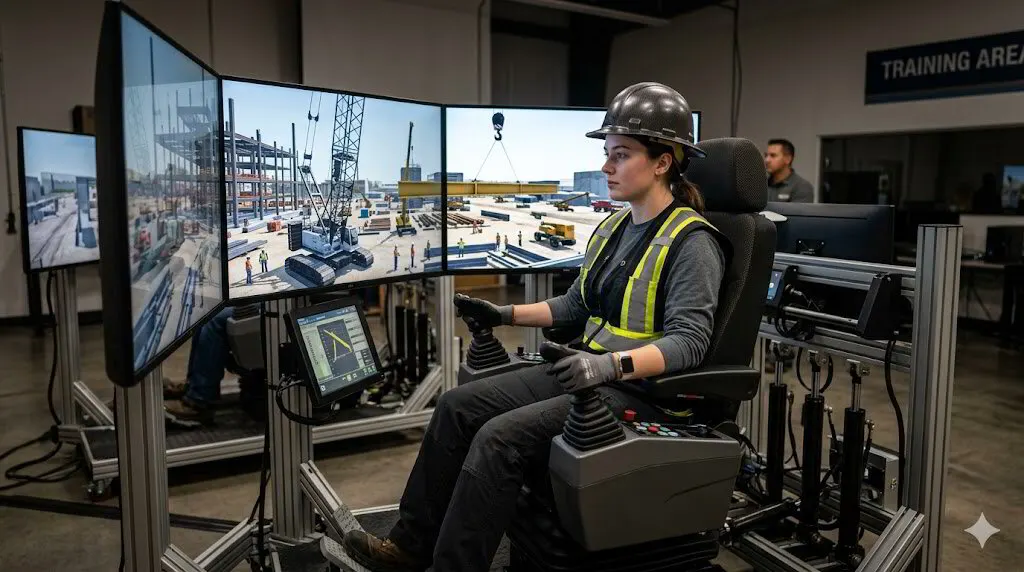 Unlocking Efficiency: The Benefits of Crane Simulator Training for Aspiring OperatorsCrane simulator training is revolutionizing the skill development of aspiring crane operators, offering a safe and…