Unlock Career Growth Prospects for Certified Crane Operators

Did you know that the demand for skilled crane operators is steadily increasing, making career
growth prospects for certified crane operators more promising than ever? As construction
projects continue to expand across Texas and beyond, the need for qualified professionals who
can operate cranes safely and efficiently is essential. Finding your way in this changing industry
takes the right certification, continuous learning and
networking. This blog post will explore the various factors impacting career growth in crane
operation, from obtaining key certifications to understanding market demands, equipping you
with the information you need to move ahead in this important sector.
Understanding the Importance of Certification
The construction industry has come to recognize the value of certification for crane operators.
An NCCCO (National Commission for the Certification of Crane Operators) certification ensures
that an individual possesses the necessary knowledge and skills to safely operate a crane. This
certification is not just a regulatory requirement; it has become a key differentiator in the job
market.
Certification serves several essential purposes:
- Safety and Compliance: Certified operators are trained to adhere to safety regulations,
reducing workplace accidents and promoting a culture of safety.
- Credibility: Being certified shows employers and clients that you are
skilled and knowledgeable in your field. It can significantly impact hiring decisions.
- Increased Opportunities: Many employers prefer or require crane operators to have
certification, which opens up various job prospects.
Current Trends in the Crane Industry
Understanding the trends in the crane industry helps those looking to improve their career
growth prospects for certified crane operators.
- Demand for Skilled Labor: As construction projects increase in size and complexity, the
need for certified crane operators is on the rise.
- Technological Advancements: Operators must adapt to new technologies, making
skilled training essential.
- Growth of Construction Projects: With Texas experiencing a construction boom, the job
market for crane operators is expanding.
Career Growth Prospects for Certified Crane Operators
One of the main benefits of obtaining certification is the potential for career advancement.
Certified crane operators can explore various job opportunities and grow their careers in
multiple directions:
- Job Opportunities: Positions available include tower crane operator, mobile crane
operator, and rigging specialist.
- Promotional Pathways: Operators can move into supervisory or project management
roles, emphasizing the importance of leadership skills.
Investing in NCCCO certification can significantly impact your career trajectory
and lead to new opportunities in crane operation. For more information
on certification and training, consider visiting the CCO website.
Skills That Set Certified Crane Operators Apart
In a competitive job market, standing out as a certified crane operator matters for
improving your career growth prospects. Beyond merely obtaining certification, possessing a
unique set of skills can raise your profile and open up more opportunities in the field.
Technical Skills
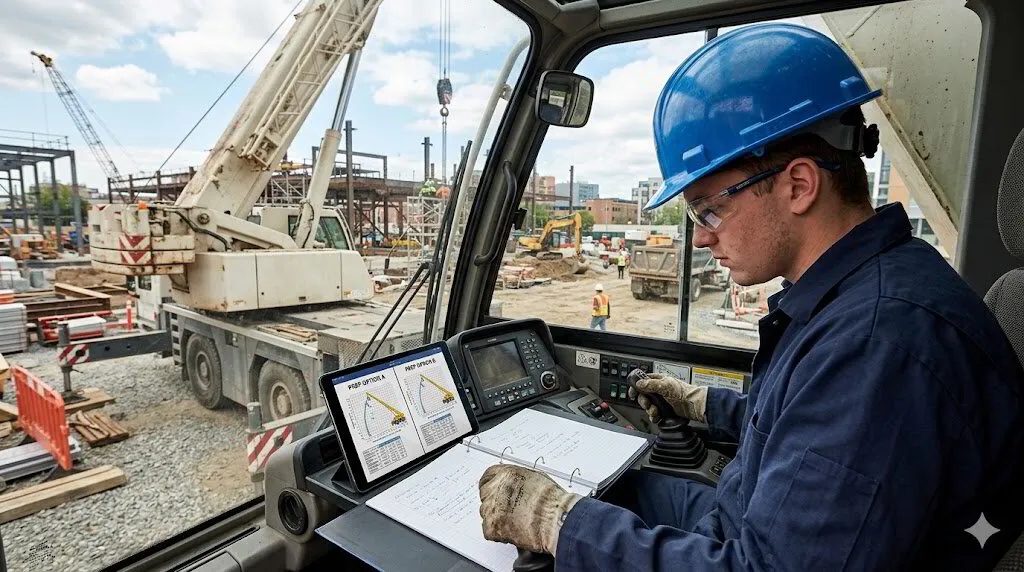
- Crane Operations: Proficiency in operating various types of cranes, including mobile,
tower, and overhead cranes.
- Rigging Knowledge: Understanding of rigging principles and the ability to select the right
equipment for each job.
- Load Management: Skills in calculating load weights and understanding center of gravity
to ensure safety and efficiency.
Soft Skills
- Communication: Clear communication with team members is essential for coordinating
operations effectively.
- Problem-Solving: Ability to quickly assess and resolve issues that may arise on the job
site.
- Leadership: Skills that can lead to supervisory roles in crane operation teams.
Importance of Continuous Training
The crane industry is constantly evolving with new technologies and methods. Continuing
education helps you build your skills:
- Workshops and Seminars: Attend sessions to stay updated on industry standards and
practices.
- Additional Certifications: Pursue further certifications in specialized areas, such as
signalperson or rigging.
Building both technical and soft skills will improve your career
growth prospects for certified crane operators. By taking a proactive approach to training and
skill development, you can position yourself as a valuable asset in the industry. For a broader
overview of how training impacts professional development, check out the resources available
on Cranes at Procore.
The Benefits of Choosing a Specialized
Training Facility
When considering your options for crane operation training, selecting a specialized facility can
significantly impact your career growth prospects for certified crane operators. Unlike general
education programs, specialized institutions focus on industry-specific skills and provide
hands-on practice that matters for future success.
Advantages of Specialized Training
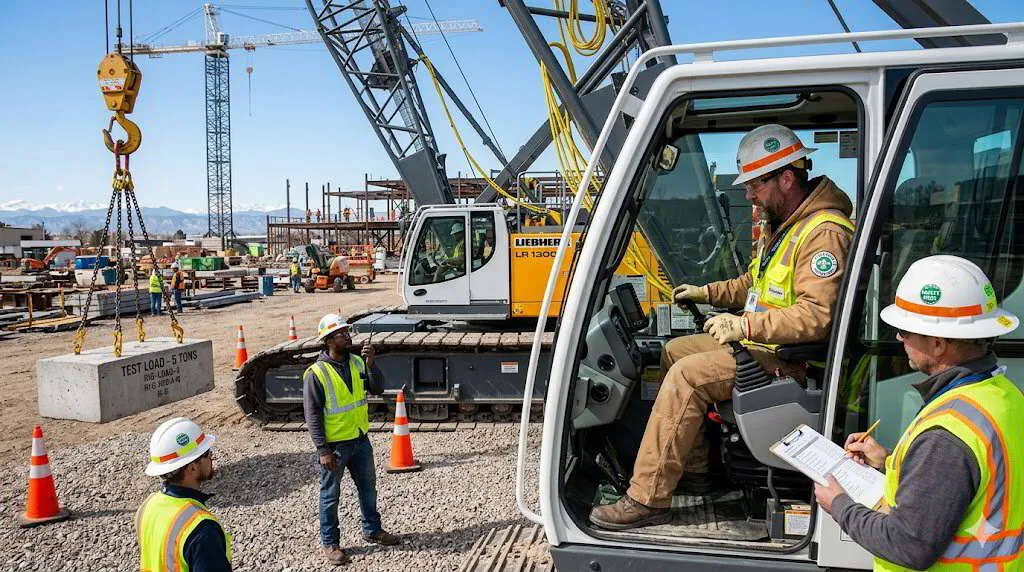
- Hands-On Practice: Facilities like Miller Crane Works offer onsite training with real
equipment, enabling operators to gain practical skills in a safe environment.
- Expert Instructors: Trained professionals with industry experience lead courses,
so you receive relevant and up-to-date instruction.
- Specialty Courses: Specialized centers often provide niche courses, such as
tower crane operation, which may not be available at more generalized training sites.
What to Look For in a Training Program
When evaluating potential training programs, consider the following factors:
- Accreditation: Choose a facility that is accredited by relevant bodies, such as NCCCO,
to ensure high standards of training.
- Curriculum Depth: A thorough curriculum that covers both the technical and
theoretical sides of crane operation is key to thorough preparation.
Specialized training prepares you to pass certification and to
do well in your career as a crane operator. This focused education will improve your qualifications
and provide you with tools that lead to better job opportunities. For additional insights into
training and certification programs, visit the National Safety Council.
Networking and Community for Crane
Operators
A strong professional network is very useful for those seeking to improve their career
growth prospects for certified crane operators. A professional community provides
support and resources and can lead to new job opportunities and collaborations within
the industry.
Importance of Networking
- Job Referrals: Many positions in the crane operation field are filled through industry
contacts, making networking essential for job seekers.
- Professional Development: Connecting with other operators can lead to insights on new technologies, techniques, and best practices.
- Mentorship Opportunities: Experienced crane operators can serve as mentors,
providing guidance and support as you build your career.
Ways to Build Your Network
- Join Professional Organizations: Groups like the National Commission for the
Certification of Crane Operators (NCCCO) and the Crane Institute of America offer
resources, workshops, and events to connect members.
- Attend Industry Events: Participating in conferences, trade shows, and local workshops
presents opportunities to meet industry professionals and learn about current trends.
- Engage on Social Media: Platforms like LinkedIn feature groups and discussions for
crane operators, allowing you to share knowledge and connect with peers.
Taking part in the crane operation community keeps you informed
about industry developments and improves career growth prospects for certified crane
operators. The relationships formed can lead to new opportunities and a deeper understanding
of the crane operating industry. For more information and resources, visit the American
Society of Safety Professionals.
Conclusion: Planning Your Career Path in
Crane Operation
Understanding and investing in your professional development matters for
improving career growth prospects for certified crane operators. Certification
validates your skills and gives you more options within the industry.
Key Takeaways
- Importance of Certification: Obtaining NCCCO certification is essential for safety,
compliance, and credibility in the crane operation field.
- Skill Development: Continuously honing both technical and soft skills will set you apart
and prepare you for more advanced roles.
- Specialized Training: Choose training facilities that offer specialized courses and hands-on
experience to get full value from your training.
- Networking Benefits: Engaging with peers and industry professionals can significantly
widen your career options.
By actively seeking ways to improve your skills, expand your qualifications, and connect with
industry professionals, you can plan your career path and secure your place in
the competitive world of crane operation. Take the first step today and consider enrolling in a
specialized training program or joining a professional organization. For additional resources and
information regarding certifications, visit OSHA's official website.
Understanding the Market Demand for
Crane Operators
To fully appreciate the career growth prospects for certified crane operators, it’s essential to
understand the market demand within the construction and industrial sectors. With ongoing
developments and projects across various sectors, the need for skilled professionals continues
to rise.
Factors Driving Demand
- Infrastructure Projects: Government initiatives and investments aimed at improving
infrastructure often lead to increased construction activity, necessitating more crane
operators.
- Construction Boom: With cities expanding and development projects underway, skilled
crane operators are in high demand to manage complex lifting tasks.
- Safety Regulations: As safety becomes a top priority in construction, the requirement for
certified operators who understand compliance with safety standards is growing.
Job Availability and Opportunities
The job market for crane operators is characterized by:
- Diverse Roles: Opportunities exist for mobile crane operators and for tower
crane operators, aerial lift operators, and rigging specialists.
- Regional Growth: Areas in Texas and other states with active construction markets
offer numerous job opportunities.
- Potential for Specialization: As you progress in your career, you can specialize in areas
like tower cranes or advanced rigging, which can further build your career.
Understanding these factors can help aspiring and current crane operators strategize their
career paths effectively. Focus on obtaining necessary certifications and continuously refining
your skills to stay competitive in this evolving job market. For insights on construction trends,
visit McKinsey & Company.
Exploring Advanced Certifications and Specializations
To further improve career growth prospects for certified crane operators, pursuing advanced
certifications and specializations can provide a significant competitive edge. As the construction
industry evolves, so too do the requirements and expectations for crane operators.
Benefits of Advanced Certifications
- Job Opportunities: Advanced certifications can qualify you for higher-level
positions, including supervisory roles and specialized operator jobs.
- Expertise in Specific Equipment: Focusing on specific types of cranes or equipment,
such as tower cranes or rough-terrain cranes, allows operators to become highly skilled in
niche areas.
Types of Advanced Certifications
Consider pursuing the following certifications to add to your credentials:
- NCCCO Specialty Certifications: These include certifications for signalpersons, riggers,
and crane inspectors, which add to your qualifications.
- OSHA Safety Training: Completing OSHA training courses can further strengthen your
understanding of workplace safety regulations and practices.
- Manufacturer-Specific Certifications: Many crane manufacturers offer training and
certification on their equipment, which can be beneficial when applying for jobs that
require specific machinery expertise.
Advanced certifications and specializations increase your
employability and make you a stronger candidate for employers. This
proactive approach keeps you current and competitive in this field. For
more information on advanced certifications, visit Cranes Today.
What is the NCCCO certification, and why is it important?
The NCCCO certification is a nationally recognized credential for crane operators, which shows that
individuals meet specific safety and operational standards. This certification matters to
employers, as it demonstrates that the operator is skilled, knowledgeable, and compliant with
regulatory requirements, which leads to safer job sites.
How can I improve my career growth prospects as a crane operator?
To improve your career growth prospects as a crane operator, focus on obtaining relevant
certifications, continuously refine your skills through specialized training, and expand your
professional network. Also, seeking out advanced certifications or exploring niche
specializations can help set you apart in a competitive job market.
What types of jobs can certified crane operators apply for?
Certified crane operators can qualify for a range of job positions, including mobile crane
operator, tower crane operator, and rigging specialist. As they gain experience and additional
certifications, they may also move into supervisory roles or project management positions within
the construction industry.
Is there a demand for crane operators in Texas?
Yes, there is a high demand for crane operators in Texas, primarily due to ongoing construction
projects and infrastructure developments across the state. This growing need creates ample job opportunities for certified crane operators looking to advance their careers.
Can I specialize in a specific type of crane operation?
Yes. Many certified crane operators choose to specialize in specific types of cranes or
equipment, such as tower cranes or rough-terrain cranes. Pursuing additional certifications in
these areas can build your expertise and make you more
attractive to potential employers.
Career Growth for Certified Crane Operators with Miller Crane Works
Certified crane operators who want to move up can train at
Miller Crane Works. With a strong reputation for training and support, Miller
Crane Works gives operators the advanced skills, certifications, and real-world
experience needed for the job. Their programs focus on safety,
efficiency, and technical expertise, helping certified professionals expand their job
prospects, qualify for positions, and take on more specialized roles.
If you’re aiming for supervisory positions or looking to upgrade your credentials,
Miller Crane Works is committed to helping you grow your career.
 Certified Crane Operator Careers Skilled Trade Advancement Construction Industry Growth