
In today's competitive construction industry, professional certification has become essential for crane operators seeking career advancement and job security. The operation of heavy lifting equipment requires specialized knowledge, technical expertise, and adherence to strict safety protocols that can only be acquired through comprehensive training programs.
Crane operator certification serves as a professional benchmark that validates an operator's competency and commitment to safety standards. The certification process involves rigorous written examinations, practical assessments, and ongoing education requirements that ensure operators maintain current industry knowledge. This systematic approach to professional development protects both workers and employers while establishing standardized practices across the construction sector.
The benefits of becoming a certified crane operator extend far beyond basic job requirements.
Certified professionals typically command higher salaries, enjoy greater job mobility, and have access to more prestigious projects. Additionally, many construction companies now require certification as a prerequisite for employment, making it virtually impossible to advance in the field without proper credentials. Insurance companies also recognize the value of certified operators, often providing reduced premiums for companies that employ certified personnel, creating additional incentives for both operators and employers to prioritize professional certification.
Understanding NCCCO Certification
The National Commission for the Certification of Crane Operators (NCCCO) stands as the premier credentialing organization for crane operators in North America. Established in 1995, NCCCO has developed comprehensive certification programs that have become the industry standard for evaluating operator competency. The organization's mission focuses on enhancing public safety through rigorous testing and certification processes that ensure operators possess the necessary knowledge and skills.
NCCCO certification encompasses multiple categories designed to address various types of crane operations and related activities. Each certification category addresses specific equipment types and operational requirements, allowing operators to specialize in their preferred areas of expertise. Additionally, NCCCO offers certifications for Rigger Level I and II, Signal Person, and Lift Director positions, creating comprehensive coverage for all personnel involved in lifting operations.
The impact of NCCCO certification on job prospects cannot be overstated. Many states have adopted NCCCO certification as a legal requirement for crane operation, while federal projects often mandate certified operators. This widespread recognition has created a competitive advantage for certified professionals, who consistently demonstrate higher employment rates and earning potential compared to their non-certified counterparts. Furthermore, NCCCO certification provides international recognition, opening opportunities for operators to work on global construction projects and expanding their career horizons significantly.
The Best Crane Operator Certification Programs
Identifying the best crane operator certification programs requires careful evaluation of multiple factors including curriculum quality, instructor expertise, equipment availability, and success rates. Leading programs typically combine theoretical knowledge with extensive hands-on training, ensuring students develop both conceptual understanding and practical skills necessary for safe and efficient crane operation.
When evaluating certification programs, prospective students should consider several critical criteria. First, the program should offer comprehensive preparation for NCCCO examinations, including both written and practical components. Second, the training facility should provide access to modern equipment that reflects current industry standards. Third, instructors should possess extensive field experience and current certifications. Fourth, the program should maintain high pass rates and positive student feedback. Finally, the training provider should offer flexible scheduling options to accommodate working professionals.
Miller Crane Works exemplifies excellence in crane operator training through its comprehensive certification programs. The organization offers specialized courses for Mobile Crane, Tower Crane, and Lattice Crane operations, each designed to meet specific NCCCO certification requirements.
Students benefit from state-of-the-art training facilities equipped with modern crane systems that mirror real-world working conditions. The curriculum combines classroom instruction with extensive practical training sessions, ensuring students develop confidence and competency before attempting certification examinations.
The program structure at Miller Crane Works emphasizes progressive skill development, beginning with fundamental safety principles and advancing through complex operational procedures. Students receive individualized attention from experienced instructors who provide personalized feedback and guidance throughout the training process. This approach ensures that each student achieves mastery of essential skills before progressing to more advanced concepts. Additionally, the program includes preparation for both written and practical NCCCO examinations, maximizing the likelihood of successful certification on the first attempt.
Recertification and Continued Education
Maintaining NCCCO certification requires ongoing commitment to professional development through regular recertification processes. NCCCO mandates recertification every five years to ensure operators remain current with evolving industry standards, technological advances, and safety regulations. This requirement reflects the dynamic nature of the construction industry and the importance of continuous learning for maintaining professional competency.
The recertification process involves completing continuing education requirements and passing updated examinations that reflect current industry practices. Operators must accumulate specific continuing education credits through approved training programs, workshops, or professional development activities. These requirements ensure that certified operators stay informed about new equipment technologies, updated safety protocols, and emerging industry best practices that could impact their daily operations.
Advanced training opportunities play a crucial role in career development for certified crane operators. Specialized workshops focusing on specific equipment types, advanced rigging techniques, or emerging technologies provide operators with competitive advantages in the job market. Many training providers offer advanced courses that go beyond basic certification requirements, addressing topics such as complex lift planning, specialized rigging applications, and equipment maintenance procedures. These additional qualifications demonstrate professional commitment and can lead to supervisory roles, higher compensation, and increased job security.
Miller Crane Works supports ongoing professional development through the approved courses at the Seagoville yard. The organization maintains current awareness of industry developments and updates its curriculum accordingly, ensuring students receive the most relevant and up-to-date training available in the market.
Specialized Training Programs
The crane operation industry encompasses diverse equipment types and applications, each requiring specialized knowledge and skills. Mobile crane courses focus on rubber-tired and truck-mounted cranes commonly used in construction and industrial applications. These programs address load chart interpretation, outrigger setup procedures, and safe operating practices specific to mobile equipment. Students learn to assess job site conditions, plan lifts effectively, and operate equipment safely in various environmental conditions.
Tower crane courses prepare operators for work on high-rise construction projects where precision and safety are paramount. Training covers assembly and disassembly procedures, load handling techniques, and coordination with other construction activities. Students develop skills in operating from significant heights while maintaining awareness of surrounding structures and personnel. The curriculum emphasizes communication protocols and emergency procedures specific to tower crane operations.
Lattice crane courses address the unique requirements of operating crawler-mounted and truck-mounted lattice boom cranes used in heavy industrial applications. These programs focus on boom configuration, load block handling, and specialized rigging techniques required for complex lifts. Students learn to interpret complex load charts and understand the structural limitations of lattice boom systems.
Rigging certification and signal person training complement crane operator certification by addressing the critical support roles in lifting operations. Rigger certification covers proper sling selection, load calculation, and rigging hardware inspection procedures. Signal person training focuses on standardized hand signals, radio communication protocols, and hazard recognition. These specialized certifications create comprehensive understanding of lifting operations and improve overall job site safety.
The integration of specialized training programs creates well-rounded professionals capable of handling diverse operational challenges. Operators with multiple certifications enjoy greater job flexibility and advancement opportunities while contributing to improved safety performance across the construction industry.
Choosing the Right Training Provider
Selecting an appropriate training provider represents a critical decision that significantly impacts career development and certification success. Prospective students should evaluate potential providers based on several key factors including accreditation status, instructor qualifications, facility capabilities, and student support services. Accredited programs typically maintain higher standards and provide better preparation for certification examinations.
Hands-on training and equipment practice time are essential components of effective crane operator education. Quality training providers maintain well-equipped facilities with modern crane systems that allow students to develop practical skills under supervised conditions.
The availability of diverse equipment types enables students to gain experience with various crane configurations and operational scenarios they will encounter in their professional careers.
Miller Crane Works distinguishes itself through its commitment to comprehensive, hands-on training that prepares students for real-world challenges. The organization's training philosophy emphasizes practical skill development supported by thorough theoretical understanding.
Students benefit from extensive equipment practice time under the guidance of experienced instructors who provide individualized feedback and mentoring throughout the training process.
The training facility at Miller Crane Works features modern equipment and realistic training scenarios that simulate actual job site conditions. This approach ensures students develop confidence and competency before entering the workforce.Miller Crane Works does not offer job placement. The comprehensive approach to student success sets Miller Crane Works apart as a leading provider of crane operator training and certification services.
Conclusion
Professional certification represents the foundation of a successful career in crane operations, providing essential credentials that validate competency and commitment to safety excellence.
The best crane operator certification programs combine rigorous academic instruction with extensive practical training, ensuring graduates possess the knowledge and skills necessary for safe and efficient equipment operation. NCCCO certification has become the industry standard, opening doors to career advancement and higher compensation while contributing to improved safety performance across the construction sector.
Miller Crane Works stands ready to help aspiring crane operators achieve their professional goals through comprehensive training programs designed to ensure certification success and long-term career development.
Ready to advance your career in crane operations? Contact Miller Crane Works today to learn more about our comprehensive certification programs and take the first step toward unlocking your potential in this rewarding field. Visit https://millercraneworks.com/ to explore our course offerings and schedule your training today!
-
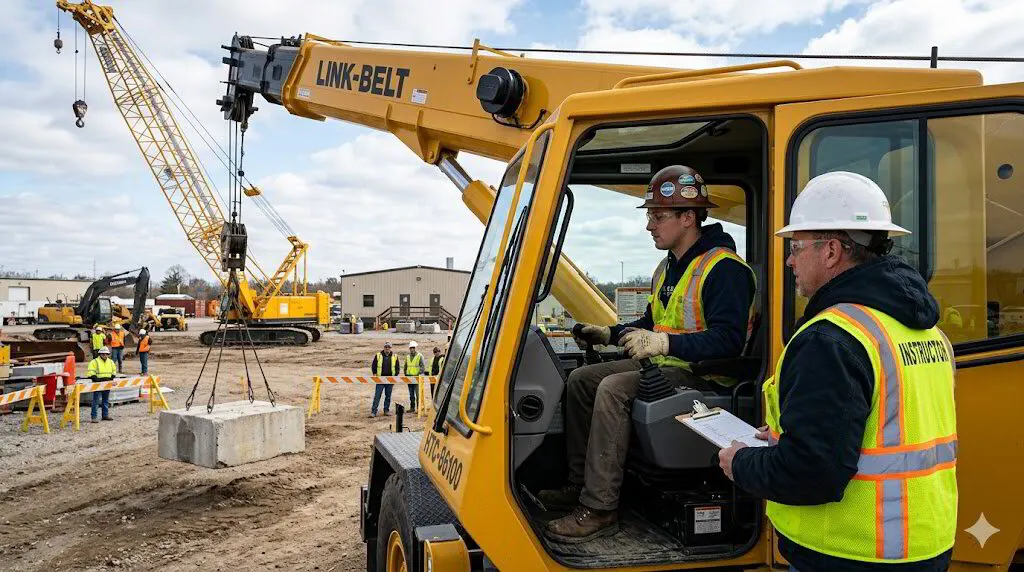 The Ultimate Guide to Crane Operator Field Training Programs: Certification & Career SuccessIn the ever-evolving construction industry, the need for certified crane operators is paramount, making effective…
-
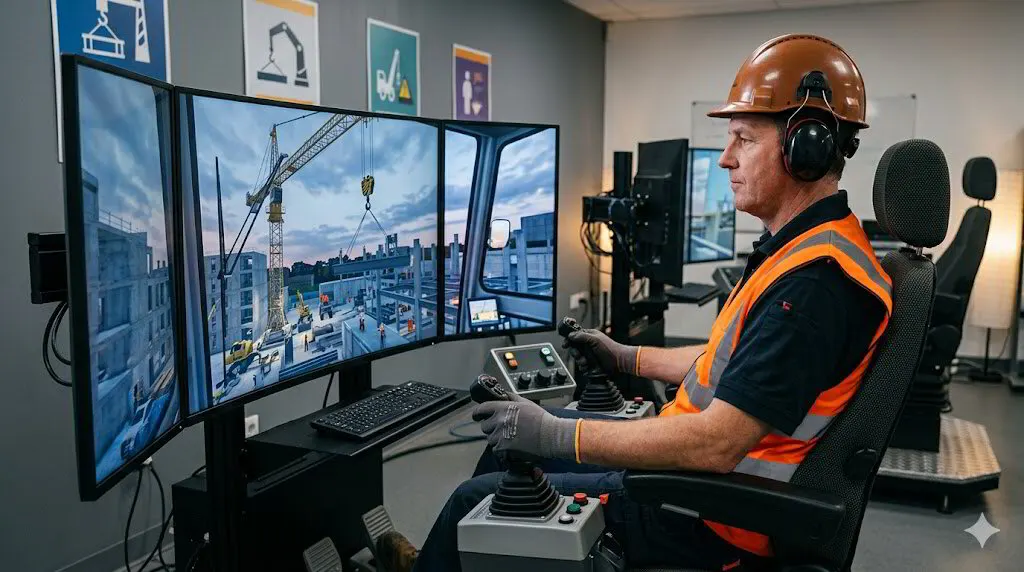 How Crane Simulators Enhance Operator Skills for Safer Construction PracticesAs the construction industry increasingly embraces technology, crane operator training has evolved significantly,…
-
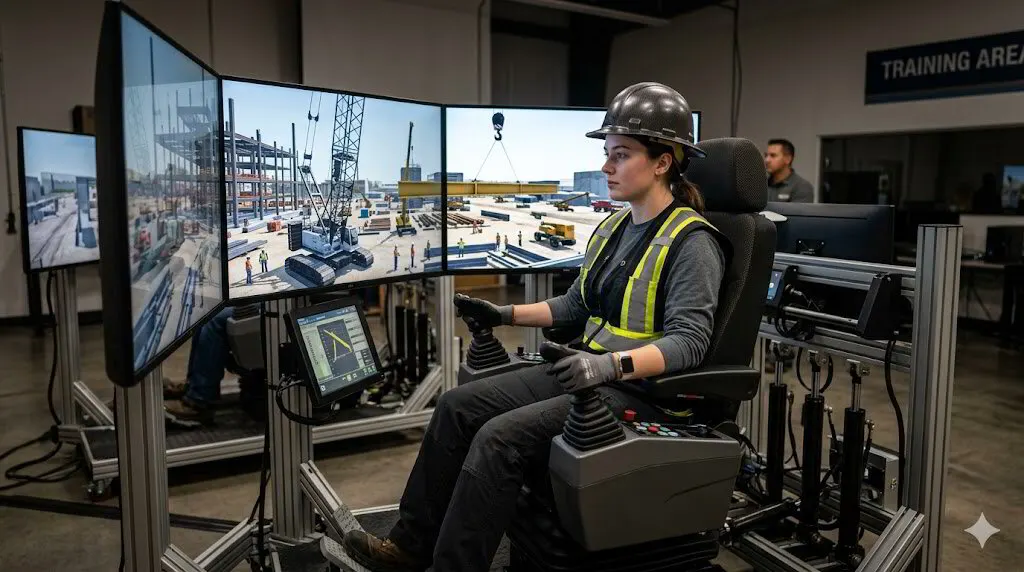 Unlocking Efficiency: The Benefits of Crane Simulator Training for Aspiring OperatorsCrane simulator training is revolutionizing the skill development of aspiring crane operators, offering a safe and…