A certification card is the first thing a crane contractor checks. It won't hand you a job, but it decides which jobs you can be put on, and that is worth understanding before you pick a course.
Why the card matters to the person hiring you
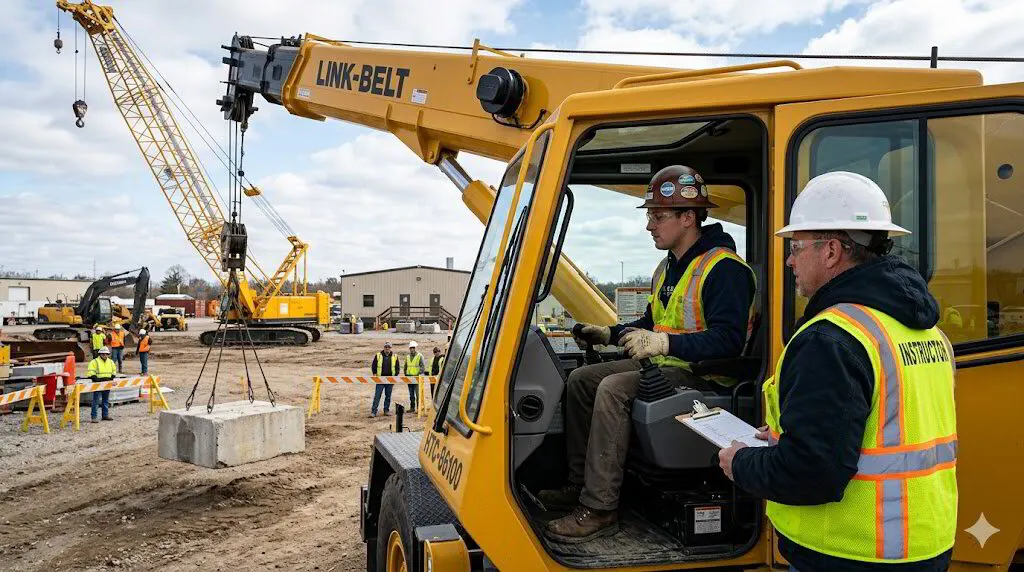
Under OSHA's construction crane standard, an employer may not let someone run most cranes on a construction site unless that person is certified or is an operator-in-training under direct supervision (29 CFR 1926.1427). A superintendent who puts an uncertified operator in the seat is taking on the legal exposure personally. That is the plain reason contractors ask for NCCCO cards before they ask about anything else.
So the card is a filter. It gets your name onto the list of people who can legally be dispatched to a job. What happens after that depends on how you run the crane, how you set up, and whether the crew trusts you with a pick.
Designations decide which jobs you can take
NCCCO certification is not one card for every crane. It is issued by crane type, and the specialty you hold sets the limits of your work:
- Telescopic boom, swing cab (TLL): the rough-terrain and all-terrain hydraulic cranes you see on commercial and industrial sites.
- Telescopic boom, fixed cab (TSS): smaller hydraulic cranes where the operator sits in a fixed cab.
- Lattice boom crawler: heavy civil, plant and bridge work.
- Tower crane: high-rise and large building projects.
An operator who holds only a fixed cab designation cannot be sent to run a swing cab crane, even for a single day. A company with a mixed fleet will naturally lean toward people who can cover more than one machine, because it makes scheduling easier. That is the practical value of adding a second or third designation over time.
What certification cannot do on its own
It helps to be honest about the limits, so you plan well:
- It does not replace employer evaluation. OSHA also requires the employer to evaluate each operator on the equipment they will actually run and to document that evaluation. A new hire with a fresh card still gets watched before being trusted with critical lifts.
- It does not replace seat time. Many new operators start as oilers, riggers or signal persons and move into the seat as the crew gets to know them.
- It does not last forever. NCCCO operator certifications have to be renewed on a five-year cycle, so a lapsed card puts you back at the bottom of the filter.
Planning your credentials over a career
Think of certification in stages rather than one purchase.
Stage one: get into the seat
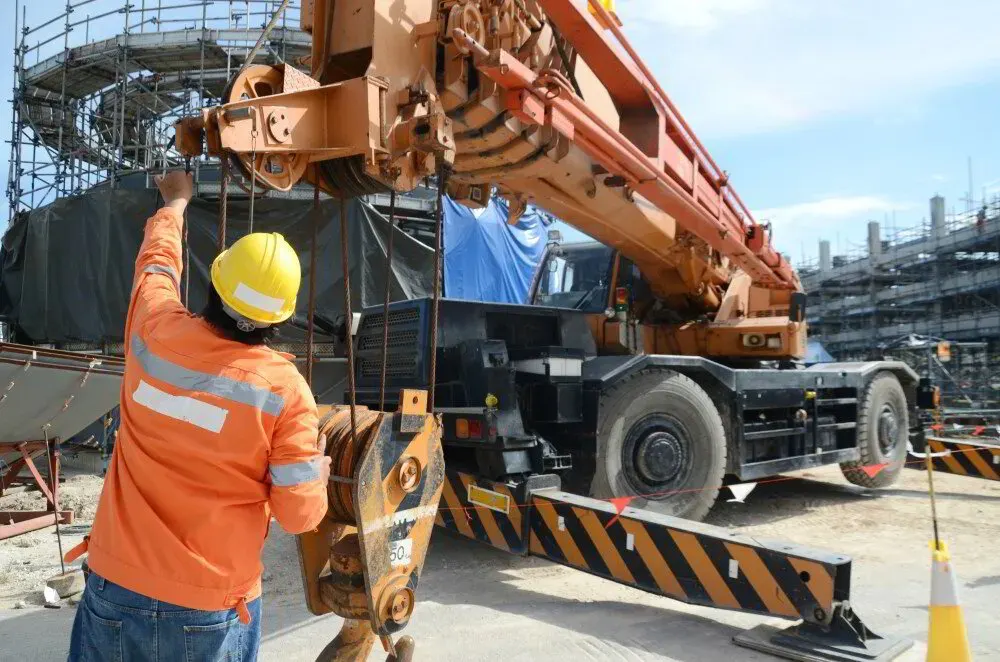
For most people with no crane background that means a telescopic certification, since hydraulic cranes are the most common machines on general construction sites. If you can't get a seat right away, rigger and signal person certification is a realistic way to get hired onto a crane crew and learn from the operator you work beside.
Stage two: add what your employer runs
Once you are working, look at the fleet. If your company owns crawlers, a lattice designation is the obvious next step. If it is moving into high-rise work, tower crane certification fits. Ask your employer whether they will sponsor the course, since many do when the new designation helps their schedule.
Stage three: keep the card current
Track your expiration date and your operating hours. Recertification is much easier when you have kept a logbook and stayed in practice.
Questions to ask before you choose a course
- Which cranes are running on the jobs I want, in the area where I want to work?
- Do I have any crane time at all, or am I starting from zero?
- Can I afford to be off work for several weeks, or do I need a shorter course?
- Would an employer or a funding program pay for this?
Your answers point to a course length and a crane type. Our funding page explains GI Bill, workforce and employer options, and the training schedule lists start dates.
Where our courses fit
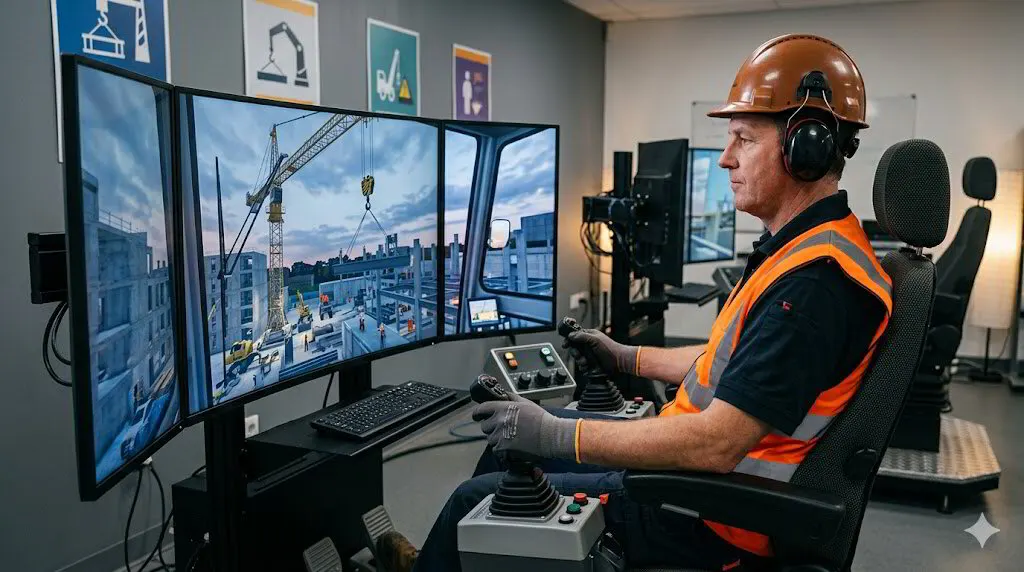
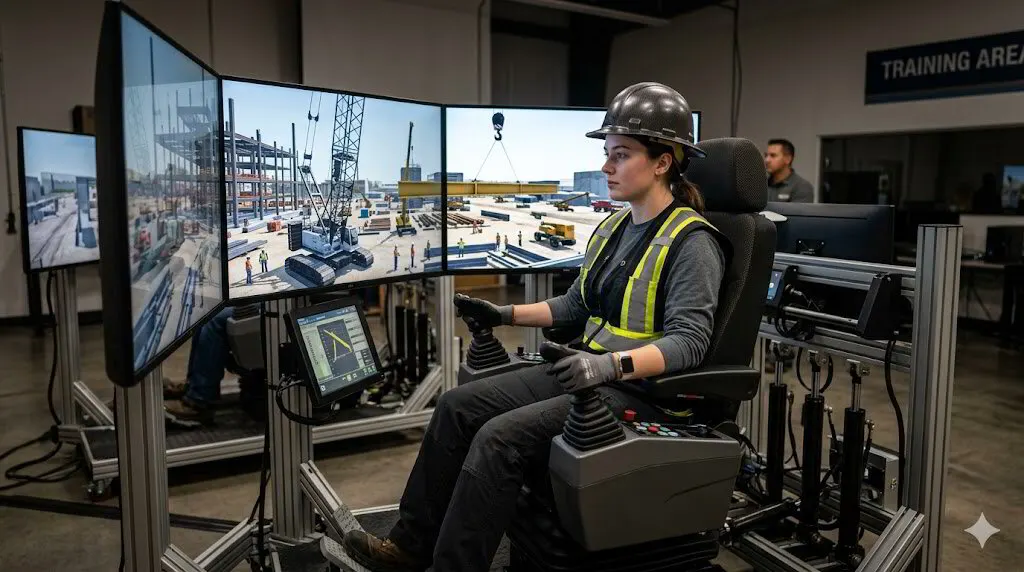
New operators usually start with the Mobile Crane Operations Fixed/Swing Cab 120 Hours course, which allows time to build skill before the NCCCO written and practical exams. People adding a designation to an existing card often choose a shorter course such as Mobile Crane Operations Lattice 40 Hours. If you want to join a crane crew from the ground first, the Rigger/Signal Person Certification Level I 28 Hours course prepares you for NCCCO Rigger Level I and Signalperson. All training and practical exams take place at our yard in Seagoville, Texas.
Questions we hear
Does one NCCCO card cover every type of crane?
No. Certification is issued by crane type, such as telescopic swing cab, telescopic fixed cab, lattice boom or tower crane. You can only operate the types your card lists.
Will an employer still test me if I already have an NCCCO card?
Usually yes. OSHA requires employers to evaluate operators on the equipment they will run and to document it, separate from the NCCCO certification.
How long does NCCCO operator certification last?
Five years. You need to recertify before the card expires to keep operating.