Most crane work still comes through phone calls and word of mouth. A tidy LinkedIn profile doesn't replace that, but it makes you easy to find and easy to check when your name gets passed along.
Why bother with LinkedIn in a field trade
When a superintendent or safety manager hears your name from someone on another crew, the next thing they often do is search for you. If nothing comes up, nothing is lost. If a clean profile comes up that lists your crane types, your certifications and where you've worked, you have answered their first questions before the phone rings.
Recruiters at crane rental houses, steel erectors and industrial contractors also search LinkedIn by keyword. They type things like "NCCCO", "crane operator" or "rigger" plus a city. Your profile only shows up if those words are in it.
The headline and About section
Your headline is the line under your name. Skip vague titles and say what you run and what you hold. Some examples of the pattern:
- Crane Operator | NCCCO Telescopic Swing Cab | Dallas–Fort Worth
- Rigger and Signal Person | NCCCO Rigger Level I and Signalperson
- Crane Operator Student | Completed 120-hour mobile crane course
In the About section, write three or four short sentences in your own voice: the cranes you've run, the kind of work (commercial buildings, plant work, steel, precast), whether you'll travel, and what you're looking for next. Write it like you'd explain it to a foreman, not like an advertisement.
Listing certifications the right way
LinkedIn has a Licenses and Certifications section. Use it, and be exact.
- Name the certification the way NCCCO does. Write the specialty, not just "NCCCO certified". A hiring manager needs to know whether you hold swing cab, fixed cab, lattice or tower.
- Issuing organization: NCCCO. A training school prepares you for the exams; it does not issue the certification. Put the school under Education instead.
- Dates: include the issue date and the expiration date. An expired card listed as current is a fast way to lose trust.
- Don't post your card image or full certification number publicly. Employers can verify certification through NCCCO directly, so there is no reason to put personal details on the open internet.
Photos: what to share and what to leave off
Jobsite photos can show your work better than any sentence, but be careful. Many contractors and project owners don't allow photos on site, and some lifts involve equipment or facilities that clients consider confidential. Before posting, ask your supervisor. When in doubt, leave it out.
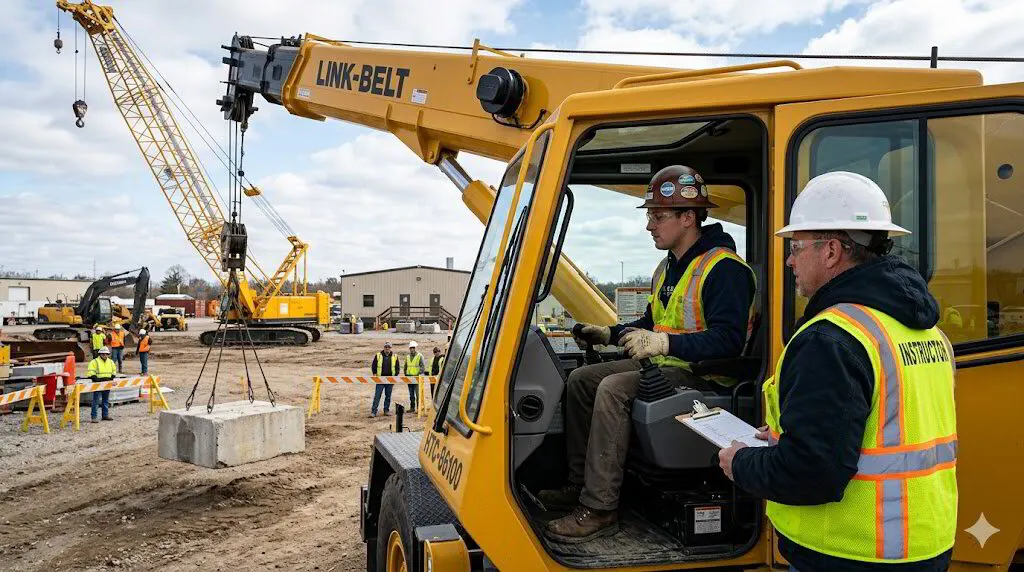
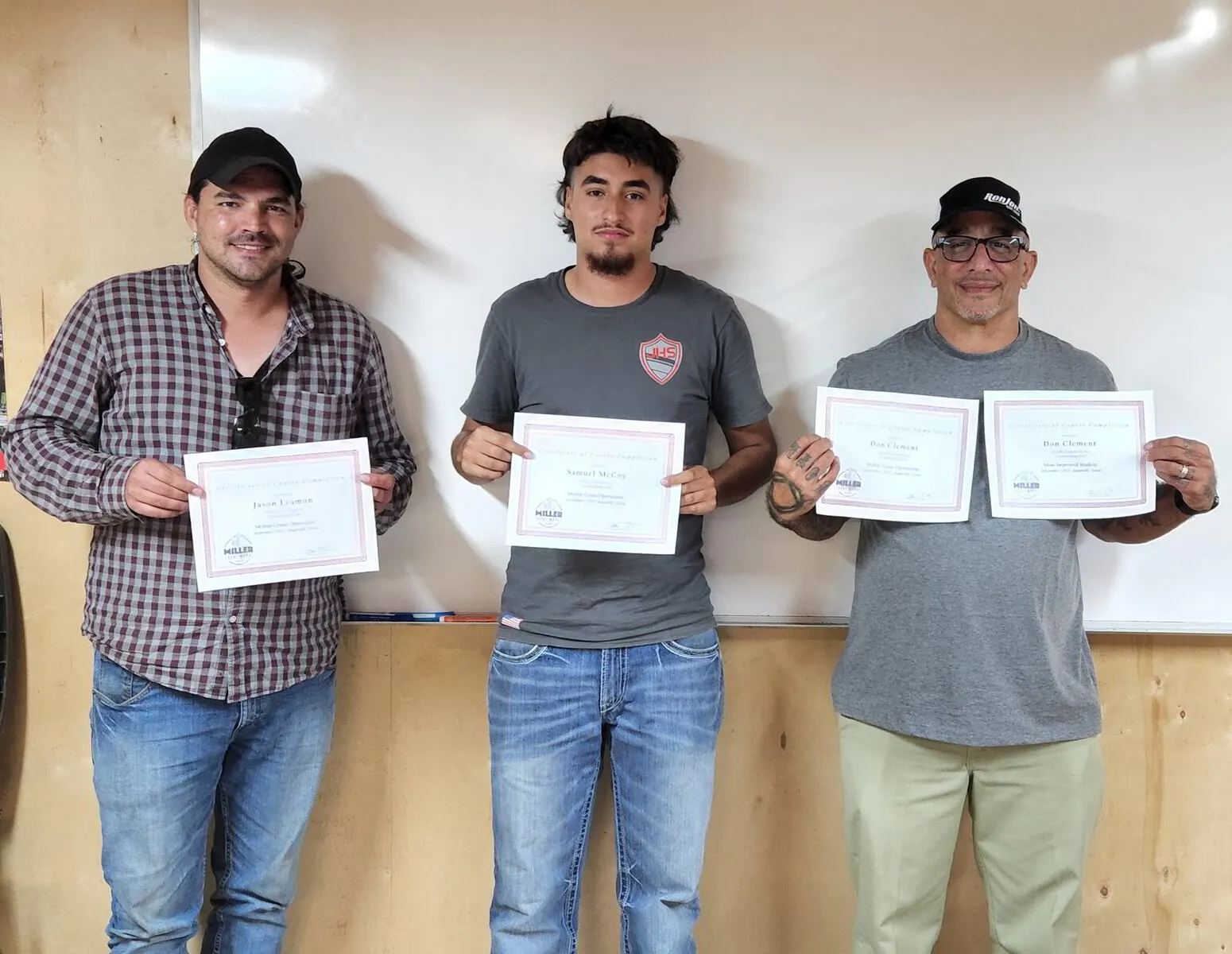
Also look at what the photo shows. A picture of a lift with someone under the load, a missing outrigger pad or a person without a hard hat tells a hiring manager something you didn't mean to say. Training yard photos, certificate-day photos and pictures of you doing a pre-use inspection are safer choices.
Who to connect with
- People you've already worked with. Operators, riggers, oilers, foremen and safety staff. These are the people who will mention your name later.
- Dispatchers and operations managers at crane rental companies in the area where you want to work.
- Safety managers at general contractors. They are often the ones who check certifications.
- Classmates. The people you train with will be spread across different companies in a year or two.
When you send a request to someone you haven't met, add a one-line note: who you are, what crane you run, and why you're reaching out. Keep it short and specific.
Getting the credentials to list
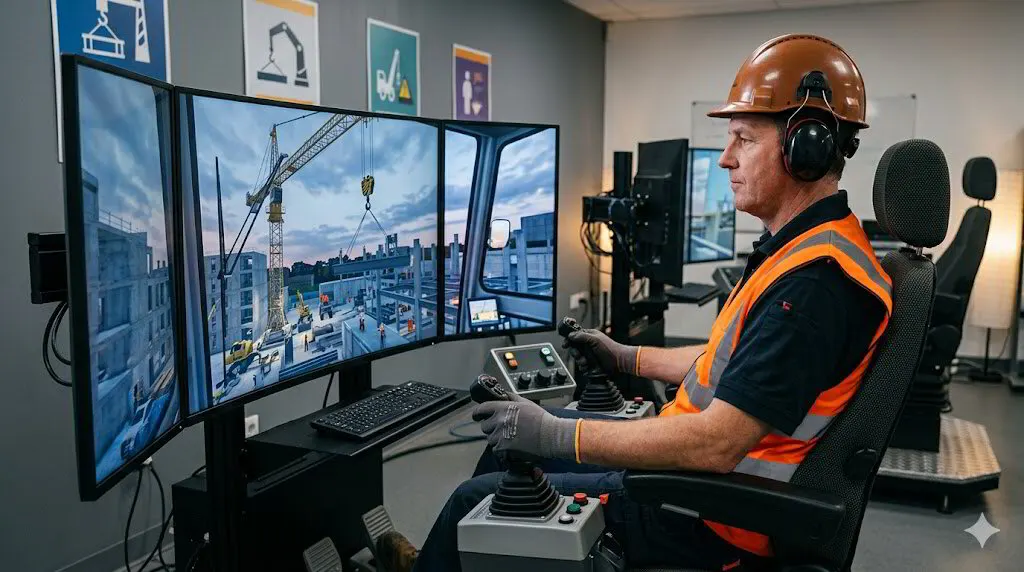
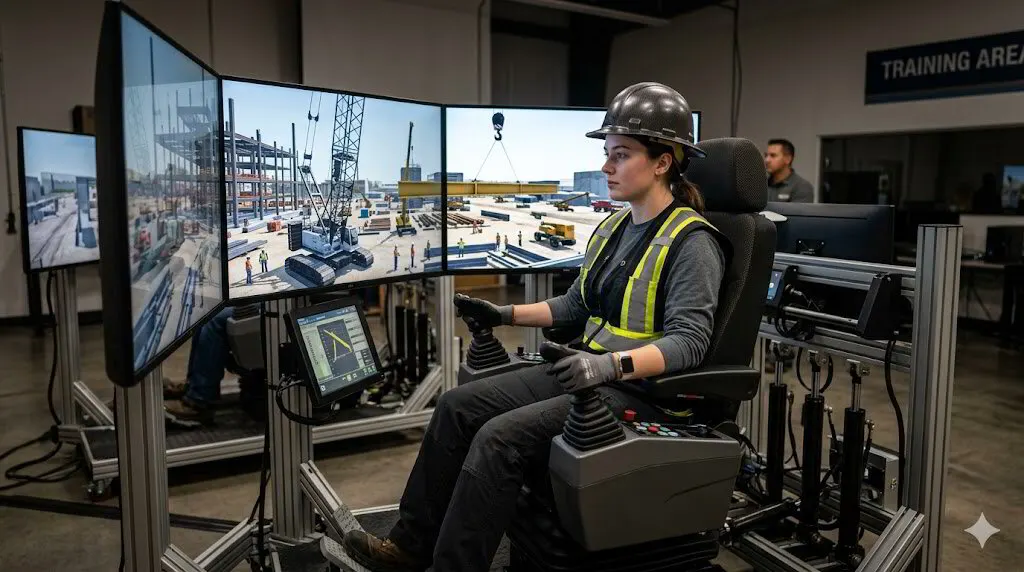
A profile is only as strong as what's on it. If you're starting from scratch, the Mobile Crane Operations Fixed/Swing Cab 120 Hours course prepares you for NCCCO telescopic exams with enough seat time to build real skill. If you want to start on the ground side of a crane crew, the Rigger/Signal Person Certification Level I 28 Hours course prepares you for NCCCO Rigger Level I and Signalperson. Classes and practical exams are held at our yard in Seagoville, and you can see dates on the training schedule.
Questions we hear
Should I list Miller Crane Works as the issuer of my NCCCO certification on LinkedIn?
No. NCCCO issues the certification, so list NCCCO as the issuer. List your training course under Education or Courses.
Is it okay to post photos from the jobsite?
Only with your employer's permission. Many sites restrict photography, and a photo can show unsafe conditions you didn't notice. Training yard photos are a safer option.
What should a crane operator student put in the headline before getting certified?
Say what you are working toward and what you've completed, for example the course you finished and the NCCCO designation you are testing for. Don't list a certification you don't hold yet.