
In the construction and heavy lifting industries, crane operators play a critical role in ensuring projects are completed safely and efficiently. The National Commission for the Certification of Crane Operators (NCCCO) certification has become the gold standard for professional crane operation, representing a comprehensive validation of an operator's skills and knowledge. This nationally recognized credential demonstrates expertise in crane operations while establishing trust with employers and clients across the construction industry.
The benefits of NCCCO certification for crane operators extend far beyond simple job qualifications.
This certification opens doors to enhanced career opportunities, increased earning potential, and improved workplace safety standards. Whether you're an aspiring crane operator looking to enter the field or an experienced professional seeking to advance your career, understanding the value of NCCCO certification is essential for long-term success in the industry. This comprehensive guide will explore how NCCCO certification can transform your career trajectory and establish you as a trusted professional in crane operations.
What is NCCCO Certification?
The National Commission for the Certification of Crane Operators (NCCCO) is an independent, non-profit organization established in 1995 to develop and administer certification programs for crane operators, riggers, and signal persons. NCCCO was created in response to industry demands for standardized safety protocols and professional competency standards in crane operations. The organization works closely with industry stakeholders, including equipment manufacturers, contractors, and safety organizations, to ensure certification programs remain current with technological advances and regulatory requirements.
NCCCO certification represents the most widely recognized credential in the crane operation industry, with over 500,000 certifications issued since its inception. The certification process involves comprehensive written examinations and practical skills assessments that evaluate an operator's knowledge of safety procedures, load calculations, equipment limitations, and operational best practices. This rigorous testing ensures certified operators possess both theoretical understanding and practical competence necessary for safe crane operations.
The certification has evolved significantly over the years, incorporating new crane technologies, updated safety standards, and enhanced training methodologies. NCCCO continuously reviews and updates its certification requirements to reflect industry changes and regulatory developments.
This commitment to excellence has made NCCCO certification the preferred standard for employers, insurance companies, and regulatory agencies throughout the construction industry, establishing it as an essential credential for professional crane operators.
Benefits of NCCCO Certification
The benefits of NCCCO certification for crane operators are substantial and multifaceted, creating significant advantages in today's competitive construction market. First and foremost, certified operators enjoy dramatically increased job opportunities. Many construction companies, government agencies, and industrial facilities require NCCCO certification as a prerequisite for employment. This requirement stems from insurance mandates, regulatory compliance needs, and corporate safety policies that prioritize certified professionals. Certified operators often find themselves eligible for positions that non-certified operators cannot access, including high-profile projects, specialized industrial work, and premium construction sites.Pay is set by the employer. This school does not state or promise wages. This wage premium reflects the increased value employers place on certified professionals and their reduced liability exposure. Many companies offer certification bonuses, accelerated promotion opportunities, and preferential scheduling to certified operators, recognizing their enhanced qualifications and reduced training requirements.
Enhanced safety awareness constitutes a critical advantage of NCCCO certification.
The comprehensive training and examination process instills deep understanding of safety protocols, hazard recognition, and risk mitigation strategies. Certified operators demonstrate lower accident rates, reduced equipment damage, and improved overall job site safety performance.
This enhanced safety consciousness protects not only the operator but also surrounding workers and project assets.
Industry recognition and professional credibility increase significantly with NCCCO certification.
The certification serves as a professional badge of competence, demonstrating commitment to excellence and continuous improvement. This recognition extends beyond immediate employers to include industry peers, equipment manufacturers, and regulatory officials who view certified operators as trusted professionals.
Finally, the certification process itself improves skill sets and builds operator confidence through comprehensive training in load calculations, rigging procedures, equipment inspection, and emergency response protocols.
Different Types of NCCCO Certifications Available
NCCCO offers several specialized certification programs designed to address the diverse needs of the crane operation industry. Each certification type focuses on specific equipment categories and operational requirements, ensuring operators receive targeted training relevant to their career paths and employer needs.
Mobile Crane Certification represents the most common NCCCO credential, covering wheeled and tracked cranes used in construction, industrial, and infrastructure projects.
The program addresses load chart interpretation, outrigger setup, travel procedures, and specialized lifting techniques essential for mobile crane operations.
Tower Crane Certification focuses on fixed cranes commonly used in high-rise construction and urban development projects. This specialized certification covers tower crane assembly, climbing procedures, load moment systems, and coordination with multiple trades. Tower crane operators must demonstrate proficiency in precise load placement, weather considerations, and communication protocols specific to vertical construction environments.
Lattice Crane Certification addresses crawler cranes and conventional truck cranes equipped with lattice booms. These cranes typically handle heavier loads and more complex lifting scenarios, requiring specialized knowledge of boom configurations, counterweight systems, and advanced rigging techniques. This certification is particularly valuable for operators working in heavy industrial, petrochemical, and infrastructure projects.
Rigger and Signal Person Certification complements crane operator credentials by certifying professionals responsible for load preparation and communication during lifting operations.
These certifications ensure proper rigging techniques, signal standardization, and coordinated lifting procedures that enhance overall job site safety and operational efficiency.
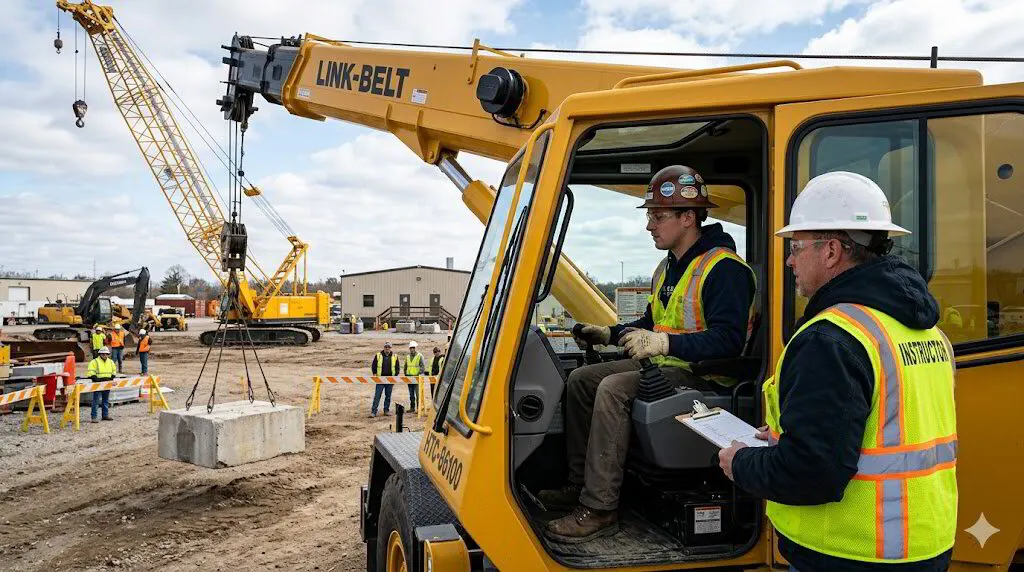
Practical Training Sessions and Equipment Practice
Hands-on training represents a crucial component of effective crane operator certification, bridging the gap between theoretical knowledge and real-world application. Practical training sessions provide aspiring operators with essential equipment experience that cannot be replicated through classroom instruction alone. These sessions allow students to develop muscle memory, spatial awareness, and operational intuition necessary for safe and efficient crane operations.
Professional training programs offer structured practice sessions using industry-standard equipment under expert supervision. Students gain experience with actual crane controls, load handling procedures, and equipment inspection protocols. These sessions typically include progressive skill development, starting with basic operations and advancing to complex lifting scenarios that mirror real job site conditions. Instructors provide immediate feedback and correction, ensuring proper technique development from the beginning of training.
The benefits of practical experience extend beyond basic operational skills to include critical safety awareness and emergency response capabilities. Students learn to recognize equipment malfunctions, respond to unexpected situations, and implement proper shutdown procedures. This hands-on experience builds confidence and competence that theoretical training alone cannot provide.
Equipment practice time also familiarizes operators with different crane models and manufacturers, exposing them to various control systems, display technologies, and operational characteristics. This diversity of experience makes certified operators more versatile and valuable to employers who operate mixed equipment fleets. Additionally, practical training sessions often incorporate real-world scenarios, weather considerations, and job site coordination challenges that operators will encounter throughout their careers, ensuring comprehensive preparation for professional crane operation responsibilities.
How to Obtain NCCCO Certification
The path to NCCCO certification involves several structured steps designed to ensure comprehensive preparation and successful completion of certification requirements. The process begins with determining the appropriate certification type based on career goals and equipment specialization. Aspiring operators should research specific certification requirements and identify training programs that align with their professional objectives.
Preparation training represents the most critical step in the certification process.
Comprehensive crane operator training programs provide essential knowledge covering safety regulations, equipment operation, load calculations, and industry best practices.
These courses typically combine classroom instruction with hands-on equipment practice, ensuring students develop both theoretical understanding and practical skills. Quality training programs also include skills assessment for crane operators to identify areas requiring additional focus before attempting certification examinations.
The NCCCO examination process consists of written and practical components administered at authorized testing sites nationwide. Written examinations cover core knowledge areas including safety standards, load charts, rigging principles, and operational procedures. Practical examinations require candidates to demonstrate actual crane operation skills under controlled conditions, including equipment inspection, load handling, and safety protocol implementation.
Successful candidates receive NCCCO certification cards valid for five years, after which NCCCO recertification is required to maintain active status. The recertification process ensures operators stay current with evolving safety standards, technological advances, and regulatory changes. Many employers support certification maintenance through continuing education programs and recertification assistance, recognizing the ongoing value of maintaining certified operator status within their organizations.
Conclusion
The benefits of NCCCO certification for crane operators create compelling advantages that extend throughout entire careers in construction and heavy lifting industries. From increased job opportunities and higher earning potential to enhanced safety awareness and professional recognition, certification represents a strategic investment in long-term career success. The comprehensive training process develops essential skills while building confidence necessary for safe and efficient crane operations.
As construction industry certification requirements continue evolving, NCCCO credentials remain the gold standard for professional crane operators. The certification process not only validates existing skills but also provides pathways for career advancement and specialization in various crane operation disciplines. Whether pursuing mobile crane, tower crane, or specialized equipment certification, the investment in professional credentials pays dividends through enhanced career prospects and increased earning potential.
The construction industry's emphasis on safety and professional competence makes NCCCO certification increasingly valuable for both individual operators and their employers. Certified operators contribute to improved job site safety, reduced liability exposure, and enhanced operational efficiency that benefits entire project teams and organizations.
Ready to unlock your potential in crane operations? Miller Crane Works offers comprehensive NCCCO certification training programs designed to prepare you for success in the construction industry. Our expert instructors provide both classroom instruction and hands-on equipment practice to ensure you're fully prepared for certification examinations. Visit https://millercraneworks.com/ today to explore our training courses and take the first step toward advancing your crane operation career!
-
 The Ultimate Guide to Crane Operator Field Training Programs: Certification & Career SuccessIn the ever-evolving construction industry, the need for certified crane operators is paramount, making effective…
-
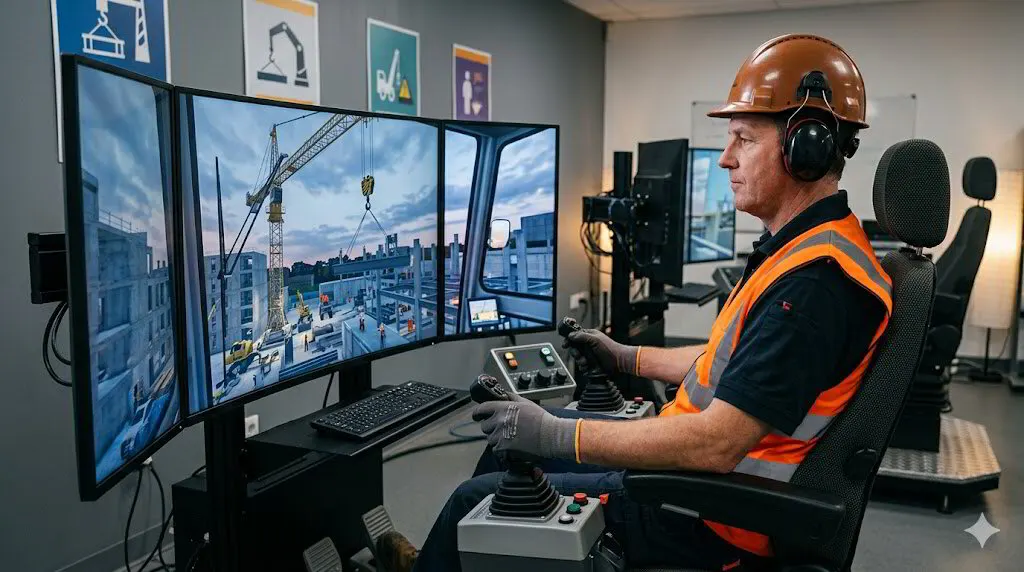 How Crane Simulators Enhance Operator Skills for Safer Construction PracticesAs the construction industry increasingly embraces technology, crane operator training has evolved significantly,…
-
 Unlocking Efficiency: The Benefits of Crane Simulator Training for Aspiring OperatorsCrane simulator training is revolutionizing the skill development of aspiring crane operators, offering a safe and…