
Key Benefits of Crane Safety Training
In today's rapidly evolving construction industry, crane operations serve as the backbone of countless projects, from towering skyscrapers to expansive infrastructure developments.
The sophisticated machinery involved in these operations demands skilled professionals who understand not only the technical aspects of crane operation but also the critical safety protocols that protect lives and property. Crane safety training represents a comprehensive educational approach that combines theoretical knowledge with practical skills, ensuring operators can handle complex lifting scenarios while maintaining the highest safety standards.
The National Commission for the Certification of Crane Operators (NCCCO) has established industry-leading standards that define professional competency in crane operations. This certification framework provides a structured pathway for aspiring crane operators to develop essential skills while meeting regulatory requirements. NCCCO certification encompasses various crane types, including mobile cranes, tower cranes, and lattice boom cranes, each requiring specialized knowledge and training approaches. The certification process validates an operator's understanding of load dynamics, equipment limitations, safety procedures, and emergency protocols, creating a foundation for successful and safe crane operations throughout their career.
Key Benefits of Crane Safety Training
Enhanced Safety Practices
Comprehensive crane safety training fundamentally transforms how operators approach their daily responsibilities, instilling a safety-first mindset that becomes second nature.
Through structured safety training programs, operators learn to identify potential hazards before they become critical issues, understanding the complex interplay between environmental conditions, equipment limitations, and operational demands. This proactive approach to safety significantly reduces the likelihood of accidents, protecting not only the operator but also ground personnel and surrounding property.
Professional training programs emphasize the importance of pre-operational inspections, teaching operators to systematically evaluate equipment condition, load charts, and site conditions.
These practices become ingrained habits that serve as the first line of defense against operational failures. Operators learn to recognize warning signs of mechanical issues, understand the implications of weather conditions on crane stability, and develop the judgment necessary to make critical safety decisions under pressure.
Reduction of Worksite Accidents
Statistics consistently demonstrate that properly trained crane operators contribute to dramatically lower accident rates on construction sites. The crane safety training benefits extend beyond individual operator performance, creating a ripple effect that improves overall site safety culture.
When crane operators understand proper communication protocols with riggers and signal persons, the coordination of lifting operations becomes more precise and predictable, reducing the potential for miscommunication-related incidents.
Training programs address common accident scenarios through simulation and case study analysis, allowing operators to understand the consequences of poor decision-making without experiencing real-world risks. This educational approach helps operators develop critical thinking skills that enable them to assess complex situations quickly and accurately, making informed decisions that prioritize safety while maintaining operational efficiency.
Compliance with Industry Standards
Professional crane operator training ensures compliance with Occupational Safety and Health Administration (OSHA) regulations and industry best practices. These regulatory requirements exist to protect workers and establish minimum competency standards across the construction industry. Proper training helps companies avoid costly violations, work stoppages, and legal liabilities that can result from non-compliance.
NCCCO certification provides industry-recognized validation of operator competency, demonstrating to employers, clients, and regulatory agencies that operators possess the knowledge and skills necessary for safe crane operations. This certification serves as a professional credential that opens doors to better employment opportunities while providing employers with confidence in their operators' capabilities.
Improved Operator Skills
Beyond safety considerations, comprehensive construction training courses significantly enhance operator technical skills and operational efficiency. Trained operators develop a deeper understanding of load dynamics, crane capacity charts, and rigging principles, enabling them to execute complex lifts with greater precision and confidence. This enhanced skill set translates directly into improved productivity and reduced operational delays.
Advanced training covers sophisticated topics such as load block behavior, boom deflection calculations, and multi-crane lifting operations. These specialized skills position operators for advancement opportunities and higher-level responsibilities within their organizations. The technical knowledge gained through professional training enables operators to troubleshoot equipment issues, optimize lifting procedures, and contribute valuable insights to project planning discussions.
Increased Job Opportunities
The crane safety training benefits extend significantly into career advancement and employment prospects. Certified operators command higher wages and have access to a broader range of employment opportunities across various industry sectors. Construction companies, industrial facilities, and specialized lifting contractors actively seek operators with verified training credentials and NCCCO certification.
Professional certification demonstrates commitment to career development and safety excellence, qualities that employers value highly in today's competitive marketplace. Certified operators often receive preference for premium projects, overtime opportunities, and supervisory positions, creating clear pathways for career advancement and increased earning potential.
Comparison of Crane Safety Training Programs
Overview of Different Program Types
The landscape of crane operator training encompasses various educational approaches, each designed to address specific learning preferences and operational requirements. Traditional classroom-based programs provide comprehensive theoretical foundations, covering load calculations, safety regulations, and equipment specifications through structured curricula.
These programs excel in delivering detailed technical information and facilitating interactive discussions among participants.
Hands-on practical training sessions offer invaluable real-world experience, allowing operators to apply theoretical knowledge in controlled environments. These programs utilize actual crane equipment to simulate realistic operational scenarios, providing participants with direct experience in equipment operation, load handling, and safety procedures. The combination of theoretical knowledge and practical application creates a comprehensive learning experience that prepares operators for the complexities of actual job sites.
Online training platforms have emerged as flexible alternatives that accommodate busy schedule s and geographical constraints. These digital programs deliver theoretical content through interactive modules, video demonstrations, and virtual simulations. While online programs excel in accessibility and convenience, they typically require supplementation with practical training components to ensure comprehensive skill development.
Training Method Comparison
Classroom-based training offers structured learning environments with immediate instructor feedback and peer interaction. The advantages include comprehensive coverage of theoretical concepts, opportunities for detailed discussions, and standardized curriculum delivery. However, classroom training may lack the practical experience necessary for skill development and can be challenging to schedule for working professionals.
Hands-on training provides irreplaceable practical experience but requires significant equipment investment and scheduling coordination. The benefits include realistic operational experience, immediate skill application, and confidence building through actual equipment operation. The primary limitations involve higher costs and limited availability compared to classroom alternatives.
Online training offers maximum flexibility and accessibility but may lack the personal interaction and practical components essential for comprehensive skill development. These programs work well for theoretical knowledge acquisition and certification preparation but typically require supplementation with practical training experiences.
Best Practices for Training Provider Selection
Selecting an appropriate training provider requires careful evaluation of several critical factors.Accreditation and industry recognition serve as primary indicators of program quality and credibility. Providers should maintain current NCCCO testing authorization and demonstrate ongoing commitment to curriculum updates and instructor development.
Instructor qualifications and industry experience significantly impact training quality and relevance. Experienced instructors bring real-world perspectives and practical insights that enhance learning outcomes. Equipment availability and condition directly affect the quality of practical training experiences, making it essential to evaluate training facilities and equipment maintenance standards.
Real-World Impact of Crane Certification
Documented Safety Improvements
Construction companies implementing comprehensive crane safety training programs consistently report significant reductions in accident rates and insurance claims. A major construction contractor in the Pacific Northwest documented a 75% reduction in crane-related incidents following implementation of mandatory NCCCO certification requirements for all operators. This dramatic improvement translated into substantial cost savings through reduced insurance premiums, avoided work delays, and decreased liability exposure.
Industrial facilities requiring specialized lifting operations have experienced similar benefits from investing in professional crane operator training. A petrochemical facility reported zero crane-related incidents over three consecutive years following implementation of rigorous training and certification requirements. The facility's safety manager attributed this achievement to enhanced operator competency and improved safety awareness resulting from comprehensive training programs.
Operational Efficiency Gains
Beyond safety improvements, companies report significant operational efficiency gains from employing properly trained crane operators. Certified operators demonstrate improved load handling capabilities, reduced setup times, and enhanced coordination with ground personnel.
These efficiency improvements translate directly into project cost savings and improved schedule performance.
A commercial construction company tracked productivity metrics before and after implementing comprehensive crane operator training requirements. The results showed a 20% improvement in lifting operation efficiency and a 30% reduction in equipment downtime due to operator error.
These improvements contributed to enhanced project profitability and client satisfaction.
Career Advancement Success Stories
Individual operators consistently report improved career prospects and increased earning potential following completion of professional training programs. Many operators describe receiving immediate job offers and salary increases upon obtaining NCCCO certification. The professional credentials gained through comprehensive training programs provide operators with competitive advantages in the job market and clear pathways for career advancement.
Conclusion
The crane safety training benefits extend far beyond basic regulatory compliance, creating value for individual operators, employers, and the broader construction industry. Professional training programs enhance safety practices, improve operational efficiency, and provide clear pathways for career advancement. The investment in comprehensive crane operator training delivers measurable returns through reduced accident rates, improved productivity, and enhanced professional opportunities.
Ready to unlock the benefits of professional crane safety training? Miller Crane Works offers comprehensive NCCCO certification programs, practical training sessions, and specialized courses for mobile, tower, and lattice cranes. Our experienced instructors provide the expertise and hands-on training necessary for success in today's competitive construction industry.
Visit https://millercraneworks.com/ to explore our training programs and take the next step in your crane operation career.
-
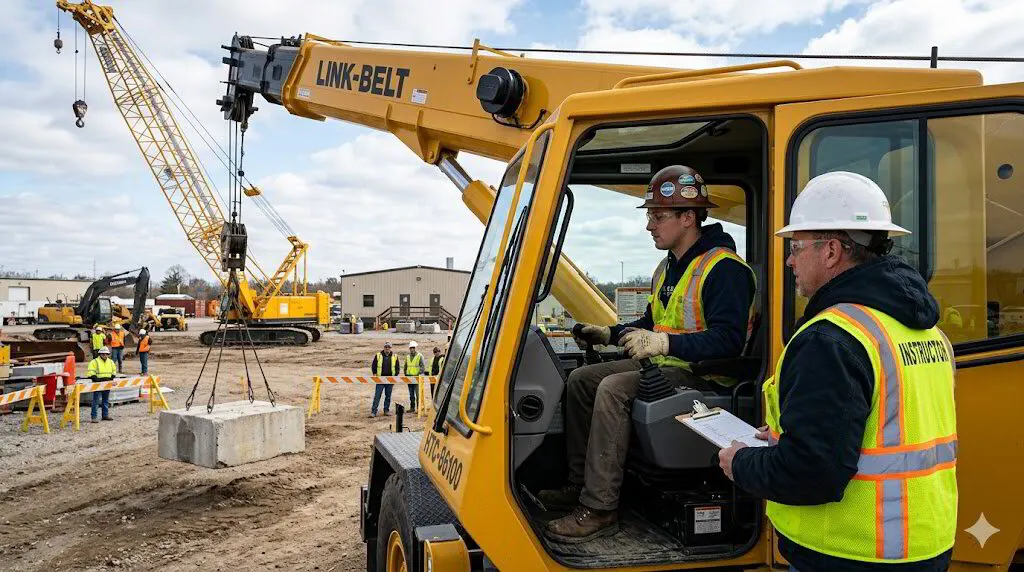 The Ultimate Guide to Crane Operator Field Training Programs: Certification & Career SuccessIn the ever-evolving construction industry, the need for certified crane operators is paramount, making effective…
-
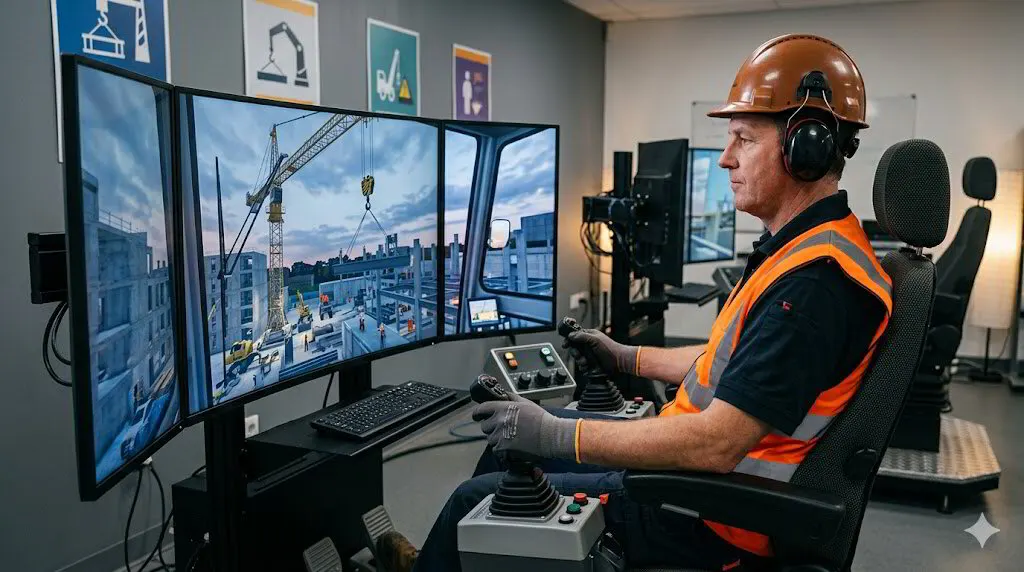 How Crane Simulators Enhance Operator Skills for Safer Construction PracticesAs the construction industry increasingly embraces technology, crane operator training has evolved significantly,…
-
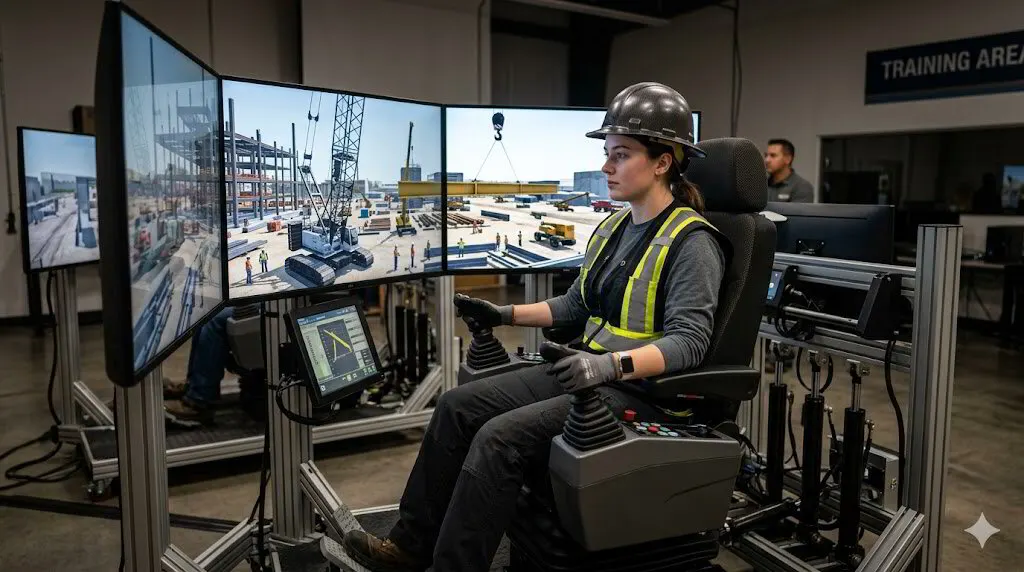 Unlocking Efficiency: The Benefits of Crane Simulator Training for Aspiring OperatorsCrane simulator training is revolutionizing the skill development of aspiring crane operators, offering a safe and…