
The construction industry relies heavily on skilled professionals who can safely and efficiently operate complex machinery. Among these essential roles, mobile crane operators stand out as critical contributors to project success. Mobile crane training represents a comprehensive educational pathway that transforms aspiring operators into certified professionals capable of handling sophisticated heavy lifting operations across diverse construction environments.
Mobile crane training encompasses both theoretical knowledge and practical hands-on experience, covering everything from equipment mechanics to safety protocols. This specialized education prepares individuals to operate various types of mobile cranes, including rough terrain cranes, all-terrain cranes, and truck-mounted units. The training process involves understanding load charts, rigging techniques, and operational procedures that ensure safe and efficient crane operations.
In today's competitive construction landscape, the demand for qualified crane operators continues to grow. Infrastructure projects, commercial developments, and industrial construction all require skilled professionals who can navigate the complexities of modern crane operations.
The certification process, particularly through recognized bodies like the National Commission for the Certification of Crane Operators (NCCCO), validates an operator's competency and opens doors to lucrative career opportunities. This comprehensive training approach not only benefits individual operators but also enhances overall job site safety and operational efficiency for construction companies.
Key Benefits of Mobile Crane Training
The benefits of mobile crane training extend far beyond basic equipment operation, creating transformative opportunities for both individuals and organizations. Career advancement represents one of the most significant advantages, as certified crane operators typically command higher wages and enjoy greater job security than their uncertified counterparts. The construction industry consistently ranks crane operation among the highest-paying skilled trades, with experienced operators earning substantial salaries while working on diverse and challenging projects.
Safety improvements constitute another crucial benefit of comprehensive mobile crane training. Properly trained operators understand the critical importance of load calculations, weather considerations, and ground conditions that directly impact operational safety. This knowledge translates into fewer accidents, reduced insurance costs, and enhanced reputation for construction companies. The training emphasizes hazard identification, risk assessment, and emergency procedures that protect not only the operator but also ground personnel and surrounding property.
Industry compliance becomes significantly more manageable with proper mobile crane training.
Regulatory bodies increasingly require certified operators for specific projects, and companies without qualified personnel face project delays and potential legal liabilities. NCCCO certification demonstrates compliance with industry standards and provides documentation that satisfies insurance requirements and regulatory oversight.
The development of operational skills through structured training programs creates well-rounded professionals who understand equipment limitations, maintenance requirements, and optimal operational practices. Students learn to interpret complex load charts, calculate lifting capacities under various conditions, and execute precise movements required for challenging installations. This comprehensive skill development makes certified operators valuable assets to any construction organization.
Networking opportunities emerge naturally through professional training programs, connecting aspiring operators with industry veterans, equipment manufacturers, and potential employers.
These relationships often lead to job opportunities, mentorship arrangements, and ongoing professional development that extends well beyond initial certification. The crane operation community values experience and knowledge sharing, making these connections invaluable for long-term career success.
Mobile Crane Training vs. Other Training Methods
When comparing mobile crane training approaches, hands-on practical experience delivers superior results compared to purely theoretical instruction. Traditional classroom-based learning, while important for foundational knowledge, cannot replicate the real-world challenges operators face daily. Mobile crane training combines theoretical understanding with extensive equipment practice time, allowing students to develop muscle memory and confidence that translates directly to job site performance.
The advantages of pursuing NCCCO certification through comprehensive mobile crane training become apparent when compared to informal learning methods. While some operators learn through on-the-job experience, this approach often leaves knowledge gaps that can compromise safety and efficiency. Certified training programs ensure comprehensive coverage of all operational aspects, from basic controls to advanced rigging techniques. NCCCO certification provides industry-recognized validation that informal training cannot match, opening doors to premium job opportunities and higher compensation levels.
Cost analysis reveals that mobile crane training represents a strategic investment rather than an expense. While initial training costs may seem substantial, the return on investment typically occurs within the first year of employment. Certified operators command significantly higher wages, and the comprehensive nature of professional training reduces the likelihood of costly mistakes or accidents that could damage equipment or cause injuries. Companies investing in employee certification often see reduced insurance premiums, improved safety records, and enhanced project efficiency that more than offset training expenses. The long-term career benefits and earning potential make mobile crane training one of the most cost-effective paths to skilled trade employment in the construction industry.
Choosing the Right Training Program
Selecting an appropriate mobile crane training provider requires careful evaluation of several critical factors that directly impact training quality and career outcomes. Program accreditation stands as the most important consideration, as recognized accreditation ensures training meets industry standards and prepares students for successful NCCCO certification.
Prospective students should verify that training providers maintain current accreditation and demonstrate consistent pass rates for certification examinations.
Instructor qualifications significantly influence training effectiveness and student success rates.
Experienced instructors bring real-world knowledge that enriches classroom discussions and practical training sessions. Look for programs staffed by certified professionals with extensive field experience who can share practical insights and industry best practices. The best instructors combine technical expertise with effective teaching abilities, creating engaging learning environments that accommodate different learning styles and experience levels.
Practical training session availability distinguishes superior programs from basic certification mills. Comprehensive mobile crane training requires extensive hands-on practice with various equipment types and operational scenarios. Programs should provide adequate practice time for each student, ensuring everyone develops confidence and competency before attempting certification examinations. Equipment variety within training programs exposes students to different crane types and configurations they may encounter in their careers.
Program reputation within the construction industry provides valuable insight into training quality and graduate success rates.Miller Crane Works does not offer job placement. Research program alumni outcomes, employer feedback, and industry recognition to gauge program effectiveness. The best training programs maintain ongoing relationships with graduates, providing continuing education opportunities and career support that extends beyond initial certification.
Real-world Applications of Mobile Crane Training
Successful crane operators consistently demonstrate how comprehensive mobile crane training translates into exceptional job site performance and career advancement. Consider the experience of operators who completed rigorous certification programs and subsequently secured positions with major construction contractors. These professionals report that their training prepared them for the complex decision-making required during critical lifts, equipment troubleshooting, and coordination with other trades.
Effective training programs produce operators who contribute significantly to project success through efficient operations and proactive safety management. Construction managers frequently note that certified operators require less supervision, demonstrate better judgment in challenging situations, and contribute to smoother project execution. The practical training component proves invaluable when operators encounter unexpected situations requiring quick thinking and precise equipment control.
Industry feedback consistently emphasizes the value of comprehensive crane operator courses that combine technical knowledge with practical application. Project managers report that properly trained operators identify potential problems before they become costly delays, communicate effectively with rigging crews and signal persons, and maintain equipment in optimal operating condition. This feedback reinforces the importance of choosing training programs that emphasize real-world application rather than simply preparing students for written examinations.
The heavy lifting training component of comprehensive programs enables operators to handle complex industrial projects that require precise coordination and advanced rigging techniques, demonstrating the broad applicability of quality mobile crane training across various construction sectors.
Conclusion
The benefits of mobile crane training extend far beyond basic equipment operation, creating pathways to rewarding careers in the construction industry. From enhanced safety awareness to improved earning potential, comprehensive training programs deliver value that lasts throughout an operator's career. The combination of theoretical knowledge and practical experience ensures graduates possess the competencies necessary for success in demanding construction environments.
Professional mobile crane training represents a strategic investment in both individual career development and organizational safety performance. The construction industry's continued growth ensures strong demand for qualified operators, making certification through recognized programs like NCCCO an excellent career choice. Companies benefit equally from investing in employee training, realizing improved safety records, enhanced operational efficiency, and reduced liability exposure.
The comparison between formal training programs and alternative learning methods clearly demonstrates the superior outcomes achieved through comprehensive education. Quality training providers offer the expertise, equipment access, and industry connections that facilitate successful career transitions into crane operation.
Ready to unlock the benefits of mobile crane training for yourself or your organization?
Miller Crane Works offers comprehensive mobile crane courses designed to prepare you for NCCCO certification success. Our experienced instructors and practical training sessions provide the foundation for a rewarding career in crane operations. Visit https://millercraneworks.com/ to explore our training programs and take the first step toward certification success today!
-
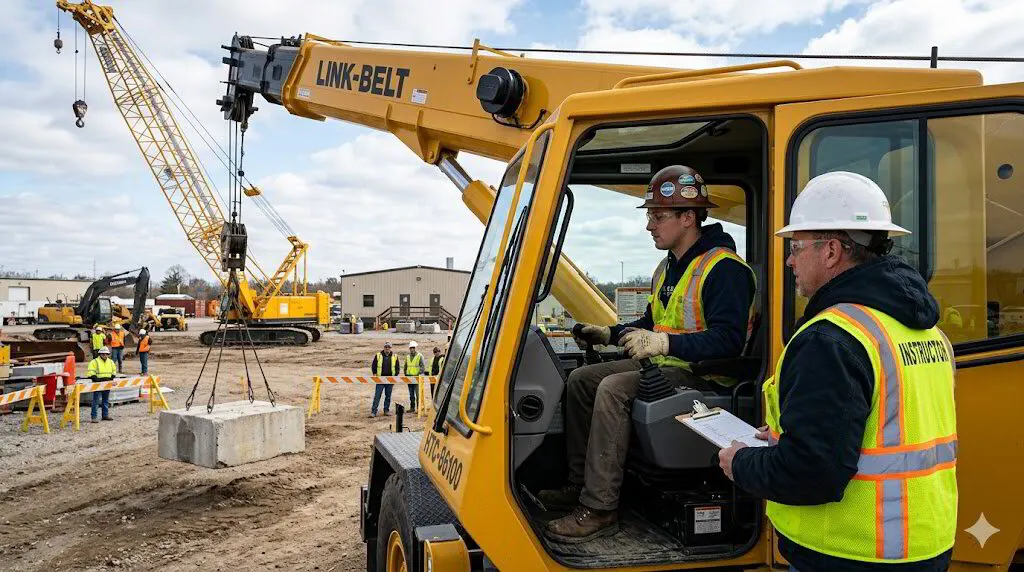 The Ultimate Guide to Crane Operator Field Training Programs: Certification & Career SuccessIn the ever-evolving construction industry, the need for certified crane operators is paramount, making effective…
-
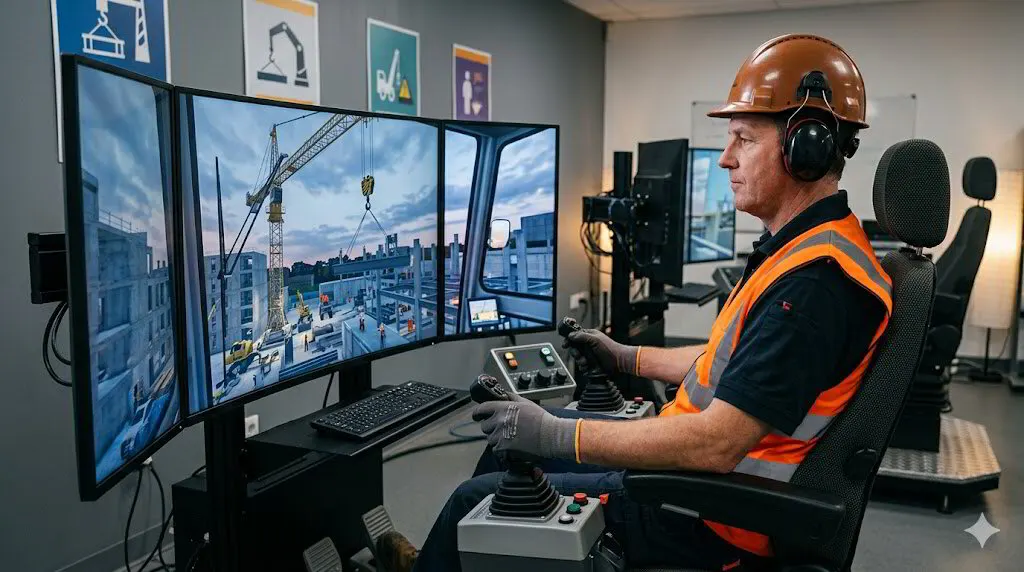 How Crane Simulators Enhance Operator Skills for Safer Construction PracticesAs the construction industry increasingly embraces technology, crane operator training has evolved significantly,…
-
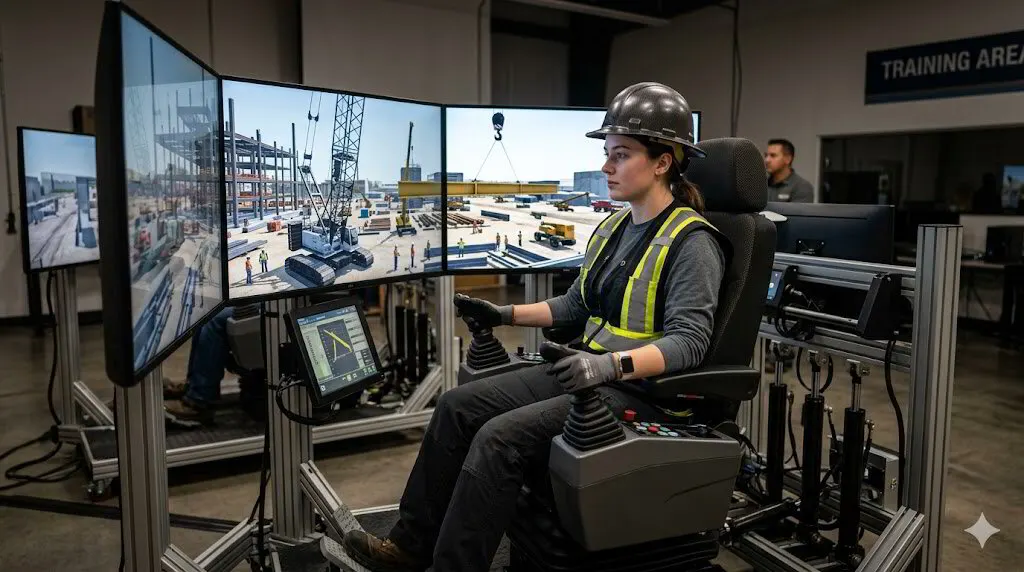 Unlocking Efficiency: The Benefits of Crane Simulator Training for Aspiring OperatorsCrane simulator training is revolutionizing the skill development of aspiring crane operators, offering a safe and…