Video demonstrations of tower crane safety procedures serve as essential tools in promoting a culture of safety within the construction industry. Did you know that approximately 22% of crane-related fatalities occur due to improper rigging and load handling? As tower cranes grow taller and become increasingly common on job sites, the need for effective training intensifies.
These video demonstrations not only clarify complex safety protocols but also provide operators with a visual representation of best practices in real-world scenarios. By integrating engaging and informative videos into safety training, construction companies can significantly reduce risks, empower their teams, and foster a safer working environment for everyone involved. In this blog post, we will explore the importance of these video resources and discuss best practices for their implementation in crane safety training programs.
Understanding the Importance of Tower Crane Safety
The importance of safety in crane operations cannot be overstated. Tower cranes, essential for many construction projects, pose significant risks if not operated and managed properly.
Understanding these risks is the first step in creating a culture of safety.
- Common Risks Associated with Tower Cranes:
○ Falling loads can cause severe injuries or fatalities ○ Equipment failure due to improper maintenance ○ Collisions with nearby structures or overhead lines ○ Operator errors stemming from inadequate training Key Safety Procedures for Tower Crane Operations Implementing robust safety procedures is vital for minimizing risks during tower crane operations. Here are some fundamental safety procedures that every operator should follow:
1. Pre-operation Safety Checks ○ Inspecting all components of the crane for any wear and tear ○ Ensuring that load limits are clearly marked and adhered to ○ Verifying communication protocols are established among crew members 2. Proper Setup and Assembly of the Tower Crane ○ Confirming that the crane is positioned on stable ground ○ Using proper rigging techniques to secure loads effectively ○ Making sure all protective devices are in place before operation 3. Operator and Ground Staff Safety Protocols ○ Conducting regular safety briefings and training sessions ○ Utilizing hand signals and radios for communication ○ Establishing exclusion zones to keep unauthorized personnel away Video Demonstrations of Tower Crane Safety Procedures Video demonstrations of tower crane safety procedures serve as an invaluable resource for crane operators and their teams. These visual guides can enhance understanding and retention of complex safety protocols.
Types of Safety Procedures Illustrated through Video:
- Pre-operation checks in real-time: Videos showing how to effectively conduct inspections before commencing work.
- Safe operation techniques in various scenarios: Demonstrations under different weather conditions or site constraints help prepare operators for diverse situations.
- Emergency response and rescue operations: Realistic simulations of emergency situations ensure that operators know the correct actions to take.
Benefits of Learning Through Video Demonstrations The advent of video training has revolutionized how safety procedures are taught in the construction industry. Here are some key benefits:
- Visual learning advantages for crane operators: Operators can see the actual procedures in action, enhancing comprehension.
- Enhancing retention of safety procedures: Repeated viewings of demonstrations help reinforce knowledge and skills.
- Real-world application and situational awareness: Videos provide context, allowing operators to understand how to apply procedures during their working conditions.
For more detailed insights into crane safety and training standards, you can visit United States Occupational Safety and Health Administration (OSHA).
Integrating Video Demonstrations into Training Programs
Incorporating video demonstrations into crane training curricula can significantly enhance learning outcomes. Here are some effective strategies:
- Suggestions for effective utilization of video resources:
○ Use videos as part of the introductory sessions before hands-on training ○ Incorporate quizzes based on video content to reinforce learning ○ Host group discussions after watching videos to address questions and clarify concepts Measuring effectiveness of video demonstrations in training is essential. Regular feedback and assessments can help identify areas for improvement and ensure safety protocols are consistently upheld.
The Benefits of Learning Through Video Demonstrations Video demonstrations of tower crane safety procedures offer a multitude of advantages that can elevate training and enhance safety standards on the job site. As technology continues to evolve, leveraging video content has become a best practice in the field of crane operations.
Visual Learning Advantages for Crane Operators Visual learning is particularly effective for technical training. When it comes to tower crane operations, operators often find that seeing procedures in action can significantly clarify complex concepts.
- Key advantages of visual learning:
○ Enhanced Comprehension: Operators can better understand nuances that might be overlooked in text-based training.
○ Increased Engagement: Videos maintain interest and encourage active participation in the learning process.
○ Real-time Feedback: Immediate visual feedback during training helps correct mistakes on the spot.
Enhancing Retention of Safety Procedures Retention of safety information is crucial for preventing accidents. Video demonstrations aid memory retention in several ways:
- Repetitive Viewing: Operators can watch demonstrations multiple times to reinforce essential safety protocols.
- Demonstrating Consequences: Videos that illustrate the consequences of neglecting safety procedures help underscore their importance, making them more memorable.
- Storytelling: Engaging narratives within training videos can create an emotional connection that enhances learning.
Real-world Application and Situational Awareness One of the most impactful benefits of video demonstrations of tower crane safety procedures is their relevance to real-world scenarios. Training videos often depict various operational settings and challenges, equipping operators with the skills needed to react appropriately in their specific environments.
- Illustrating Real-world Challenges: Videos can showcase best practices for dealing with inclement weather, changing site conditions, and unexpected emergencies.
- Building Situational Awareness: Through real-life scenarios, operators learn to identify potential hazards and respond promptly.
For a comprehensive view of crane safety practices, consider checking the resources available at National Commission for the Certification of Crane Operators (NCCCO). Their materials include detailed safety information and updates relevant to tower crane operations.
Integrating Video Demonstrations into Training Programs
Integrating video demonstrations into existing training programs is essential for maximizing effectiveness. Here’s how to seamlessly incorporate these valuable resources:
- Start with Video Orientation: Introduce operators to video demonstrations as part of their orientation to help set the tone for a safety-first mindset.
- Encourage Discussions Around Content: After viewing videos, facilitate discussions among students to address questions and share insights.
- Create a Repository of Video Resources: Build a library of relevant videos for easy reference to ensure continual learning.
In summary, leveraging video demonstrations of tower crane safety procedures not only enhances training but also empowers crane operators by equipping them with the knowledge needed to work safely and efficiently.
Integrating Video Demonstrations into Training Programs To maximize the benefits of video demonstrations of tower crane safety procedures, it’s essential to strategically integrate them into your existing training programs. This approach can not only enhance overall learning outcomes but also foster a culture of safety within your organization.
Effective Strategies for Incorporating Video Resources Here are some well-researched strategies to effectively incorporate video demonstrations into your training sessions:
1. Pre-Training Assignments ○ Assign selected videos as pre-training material to familiarize operators with key safety concepts.
○ Encourage students to take notes on important points, fostering engagement before the actual training begins.
2. Interactive Video Sessions ○ Arrange group viewings of video demonstrations followed by interactive discussions.
○ Facilitate a Q&A session to clarify any doubts regarding the content presented in the videos.
3. Hands-On Practice Post-Viewing ○ After watching safety procedure videos, conduct hands-on practice sessions to reinforce the concepts learned.
○ Designate experienced operators to mentor students during these practical sessions, ensuring proper techniques are followed.
4. Assessment and Feedback ○ Use quizzes and assessments focused on the video content to gauge understanding and retention.
○ Incorporate feedback mechanisms, allowing students to evaluate the effectiveness of the videos and suggest improvements.
Creating a Culture of Continuous Learning Injuries and accidents can be drastically reduced when operators have access to effective training materials. By fostering a culture of continuous learning, organizations can ensure that safety remains a top priority. Here’s how:
- Regular Updates and New Content: Keep the training material current by regularly reviewing and updating video demonstrations of tower crane safety procedures to reflect new regulations and technologies.
- Encouraging Peer Learning: Promote an environment where experienced operators can share insights and experiences through informal video sessions, fostering a collaborative learning atmosphere.
- Utilizing Feedback for Improvement: Gather feedback from operators on the relevance of the video demonstrations, which can help refine future training materials and methods.
For more resources and insights on enhancing crane safety training, consider visiting The Crane Institute of America. Their expertise can provide additional guidance on best practices in crane operation and safety procedures.
By effectively integrating video demonstrations into your training programs, not only do you enhance the learning experience, but you also contribute to a safer work environment, ensuring that every operator is well-prepared to face the challenges of tower crane operation.
Conclusion: The Future of Crane Safety Training
As the construction industry continues to evolve, the importance of effective training for tower crane operators cannot be overstated. Emphasizing video demonstrations of tower crane safety procedures provides a forward-thinking solution that enhances both learning and safety. By embracing this innovative approach, organizations can ensure their teams are well-equipped to manage risks on the job site.
Emerging Trends in Video Training for Crane Safety The integration of technology into safety training is witnessing several emerging trends that promise to transform how operators learn and apply safety procedures:
- Virtual Reality (VR) Training: The incorporation of VR technology allows operators to immerse themselves in lifelike environments, practicing crane operations and safety procedures in a risk-free setting.
- Live Streaming Demonstrations: Hosting live video sessions with industry experts can provide real-time instruction and the opportunity for immediate questions and answers.
- Mobile Learning Solutions: Developing mobile-friendly video content enables operators to access training materials anytime and anywhere, reinforcing learning on-the-go.
Encouraging Continuous Learning and Improvement in Safety Practices The commitment to crane safety should be an ongoing journey. Organizations can foster a culture of continuous learning by:
- Regularly Updating Training Materials: Stay informed about industry standards and best practices to ensure training content remains relevant.
- Promoting Safety Programs: Encouraging participation in external safety seminars and workshops will enhance knowledge sharing within the organization.
- Utilizing Performance Metrics: Track training outcomes and incident reports to identify areas for improvement, adjusting training programs as needed.
As the landscape of crane operations changes, the reliance on video demonstrations of tower crane safety procedures is anticipated to grow. By recognizing the value of visual learning and ongoing education, organizations can establish safer work environments and better-prepared operators.
For additional resources and insights, you may want to explore the National Safety Council (NSC) website, which offers a wealth of information on workplace safety training and resources.
Frequently Asked Questions about Tower Crane Safety Procedures
When it comes to tower crane safety, having clear, accessible information is crucial. Video demonstrations of tower crane safety procedures can help answer many common questions among operators and construction teams. Below are some frequently asked questions that encapsulate essential safety information.
What Are the Primary Safety Regulations for Tower Cranes?
Understanding the regulations governing tower crane operations is vital for maintaining safety standards. Key regulations typically include:
- Adherence to OSHA standards
- Compliance with local and state safety codes
- Regular inspection and maintenance requirements
- Certification requirements for operators
How Can Video Demonstrations Improve Safety Training?
Video demonstrations serve as a powerful educational tool by offering visual representations of safety procedures. Here are several ways they can improve safety training:
- Enhanced Understanding: Operators can see proper techniques in action and grasp complex procedures more easily than through text-based instructions.
- Consistency in Training: All students receive the same high-quality instruction, reducing variability in safety knowledge.
- Engaging Learning Format: Visual content often keeps students more engaged compared to traditional training formats.
What Should Be Included in a Tower Crane Safety Video?
An effective safety video should encompass several critical elements to ensure comprehensive coverage of tower crane safety procedures:
- Pre-operational Inspection: Highlight essential checks that must be done before operation begins.
- Safe Operation Techniques: Illustrate safe load handling, communication protocols, and other operational best practices.
- Emergency Procedures: Provide clear guidance on what to do in the event of an emergency or equipment failure.
Where Can I Access Quality Video Demonstrations of Tower Crane Safety Procedures?
Operators looking for reputable training resources can consult industry leaders. Websites like American National Standards Institute (ANSI) provide information and links to credible safety training resources, including video demonstrations tailored for tower crane safety.
By addressing these frequently asked questions, organizations can further emphasize the importance of safety training, ensuring that everyone involved in tower crane operations understands the protocols necessary to create a safe working environment.
Best Practices for Using Video Demonstrations in Crane Safety Training
To maximize the effectiveness of video demonstrations of tower crane safety procedures, it's essential to follow best practices during their implementation. By adhering to these guidelines, organizations can ensure that training is effective, engaging, and leads to improved safety outcomes.
Select High-Quality Video Resources Choosing the right video content is crucial. Look for resources that meet the following criteria:
- Professionally Produced: Ensure the videos are made by reputable safety organizations or industry experts.
- Up-to-Date Content: Use video demonstrations that align with the latest safety regulations and best practices.
- Clear and Concise Instruction: Select videos that present information in an easy-to-understand and straightforward manner.
Integrate Videos into a Comprehensive Training Program Video demonstrations should complement existing training methods rather than replace them.
Consider the following approaches:
- Combine with Hands-On Training: Use videos to introduce concepts before transitioning to practical, hands-on exercises where operators apply what they've learned.
- Host Interactive Viewing Sessions: Organize group viewings followed by discussions to reinforce learning and clarify any uncertainties.
- Facilitate Knowledge Sharing: Encourage experienced operators to share their insights and experiences related to the procedures shown in the videos.
Encourage Continuous Improvement and Assessment It's essential to regularly assess the effectiveness of video demonstrations in the training program. Here are some strategies to promote continuous improvement:
- Gather Feedback from Students: Solicit input from operators about the clarity, relevancy, and helpfulness of the videos in enhancing their understanding.
- Regularly Update Training Materials: Keep video content fresh by reviewing and replacing outdated materials to reflect current practices and technologies.
- Monitor Incident Reports: Analyze safety incidents to identify whether video training is impacting safety procedures positively or if further adjustments are needed.
For organizations looking to improve crane safety training, implementing these best practices will not only enhance the effectiveness of video demonstrations of tower crane safety procedures but also establish a culture of safety that prioritizes the well-being of all personnel involved in crane operations.
For more information on crane safety training resources, visit Crane Safety Solutions, an industry leader in providing targeted safety training materials and resources.
What are video demonstrations of tower crane safety procedures?
Video demonstrations of tower crane safety procedures are instructional videos that visually depict the correct methods for operating tower cranes safely. These videos show essential safety protocols, pre-operation checks, and emergency procedures, making it easier for crane operators to understand and apply these critical concepts in real-world situations.
How can video demonstrations improve crane operator training?
Video demonstrations enhance crane operator training by providing a visual context for safety procedures. Operators can see the techniques being applied correctly, which reinforces their learning. This format also engages students more effectively than traditional methods, promoting better retention of information.
Are there specific regulations that video demonstrations must adhere to?
While video demonstrations themselves do not have regulations, they should comply with the current safety standards set forth by organizations such as OSHA, ANSI, and local construction safety codes. It’s important for the content to reflect these standards to ensure that operators are receiving up-to-date and applicable training.
Where can construction companies find quality video demonstrations?
Construction companies can access quality video demonstrations of tower crane safety procedures through various reputable sources, including industry leaders and safety training organizations. Websites like the National Safety Council (NSC) and the Crane Institute of America provide valuable resources and instructional videos tailored for crane safety.
How often should training videos be updated?
Training videos should be reviewed and updated regularly, ideally annually or whenever new safety regulations or technologies emerge. Regular updates ensure that the content remains relevant and provides current best practices in tower crane operations, maximizing both safety and effectiveness in training.
Miller Crane Works Showcases Tower Crane Safety Procedures Through Video
Miller Crane Works is committed to promoting safe crane operation, and their latest video series highlights essential tower crane safety procedures in a clear, visual format. These instructional videos are designed to reinforce best practices, helping both new and experienced operators understand key safety protocols, hazard awareness, and emergency response techniques. By demonstrating real-world scenarios and proper crane operation techniques, Miller Crane Works makes safety training more accessible and engaging. Whether you're preparing for certification or simply refreshing your knowledge, these videos serve as a valuable resource for maintaining safety standards on every job site.

-
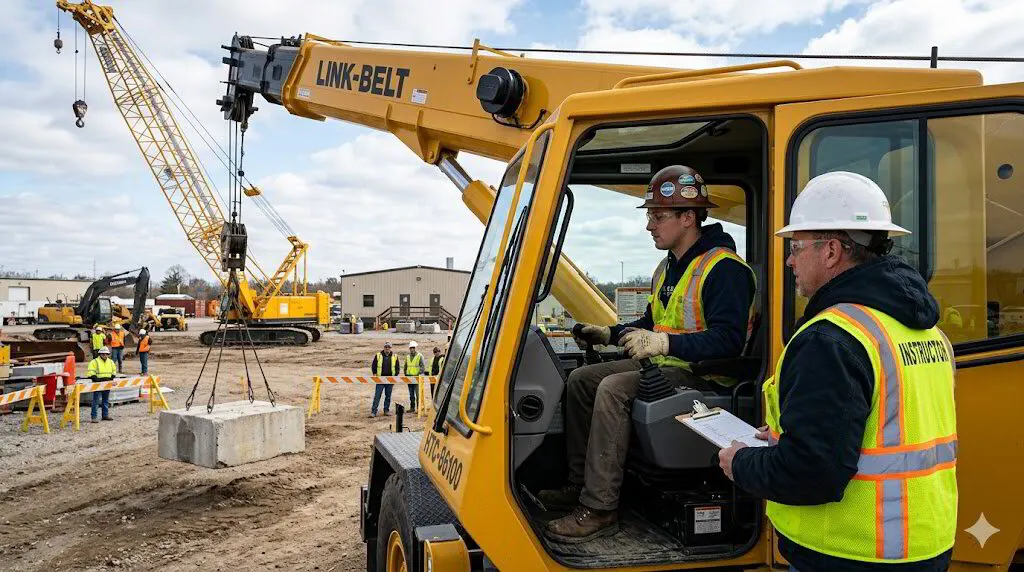 The Ultimate Guide to Crane Operator Field Training Programs: Certification & Career SuccessIn the ever-evolving construction industry, the need for certified crane operators is paramount, making effective…
-
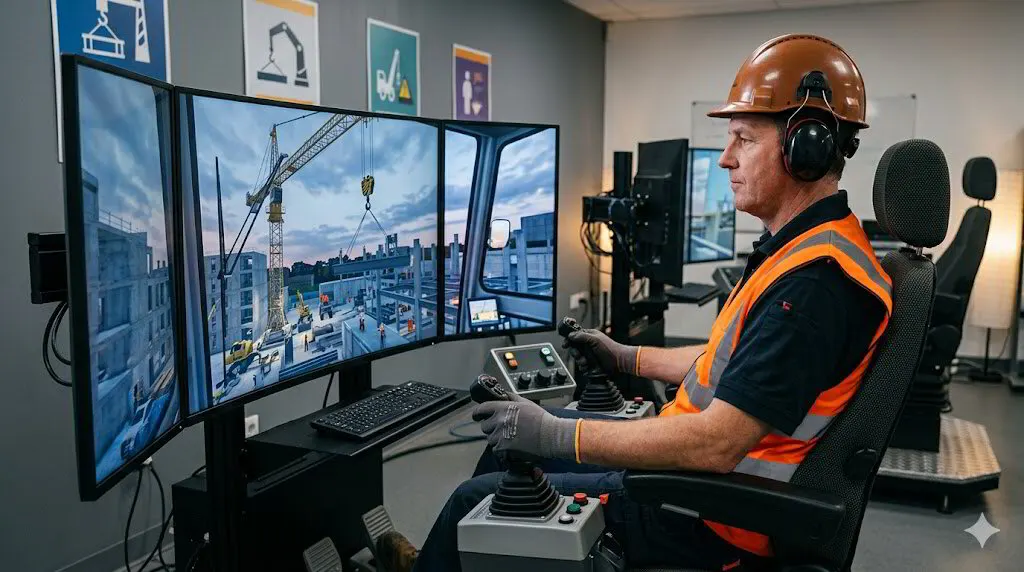 How Crane Simulators Enhance Operator Skills for Safer Construction PracticesAs the construction industry increasingly embraces technology, crane operator training has evolved significantly,…
-
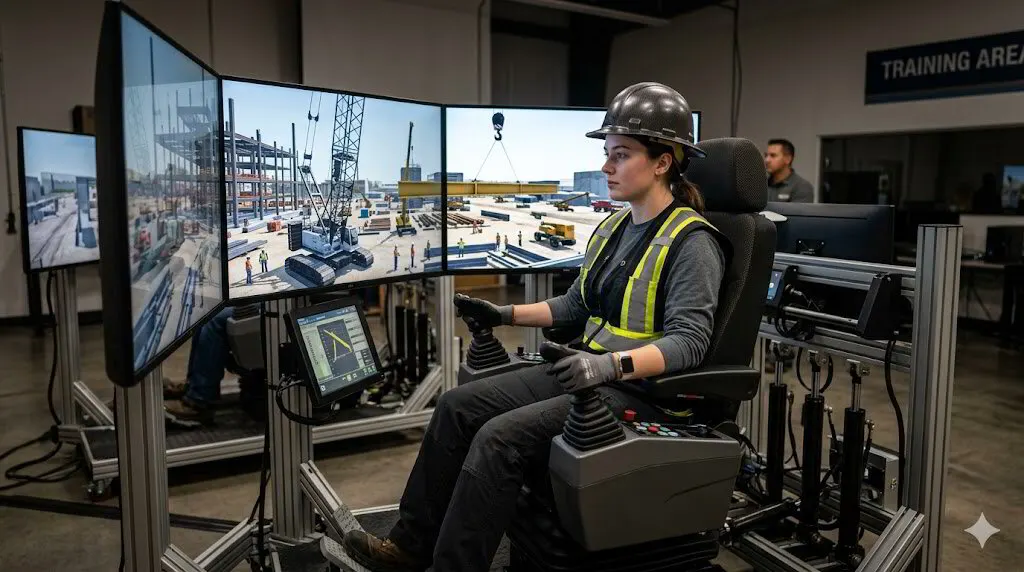 Unlocking Efficiency: The Benefits of Crane Simulator Training for Aspiring OperatorsCrane simulator training is revolutionizing the skill development of aspiring crane operators, offering a safe and…