
Texas stands as one of America's construction powerhouses, with towering skyscrapers, sprawling industrial complexes, and massive infrastructure projects defining its landscape. At the heart of these impressive developments are skilled mobile crane operators who safely maneuver heavy equipment worth millions of dollars. The crane operation industry in Texas demands precision, expertise, and unwavering commitment to safety standards.
Professional certification serves as the cornerstone of a successful crane operator career.
The requirements for mobile crane operator certification Texas mandate comprehensive training that ensures operators possess both theoretical knowledge and practical skills necessary for safe equipment operation. This certification process protects not only the operator but also construction crews, the general public, and valuable equipment from potential accidents.
Certified mobile crane operators in Texas enjoy numerous career advantages, including higher earning potential, increased job security, and access to premium construction projects.
Major contractors and construction companies prioritize hiring certified professionals, recognizing that proper certification reduces liability risks and demonstrates commitment to workplace safety. The Texas construction boom continues creating abundant opportunities for qualified crane operators who meet state and federal certification standards.
Understanding the Certification Process
The journey toward mobile crane operator certification follows a structured pathway designed to build competency progressively. The National Commission for the Certification of Crane Operators (NCCCO) serves as the primary certifying body, establishing industry-standard requirements that Texas recognizes and enforces across construction sites.
NCCCO certification Texas programs begin with comprehensive written examinations covering crane operations theory, load calculations, safety protocols, and regulatory compliance.
Candidates must demonstrate mastery of core concepts including crane mechanics, rigging principles, signal communications, and hazard recognition. The written examination serves as the foundation, ensuring operators understand fundamental principles before advancing to practical assessments.
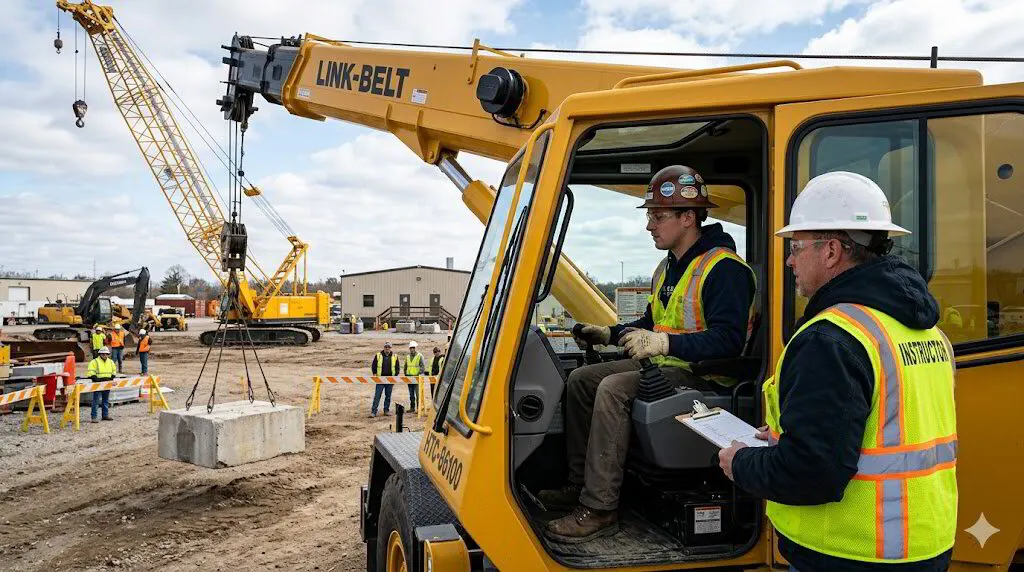
Following successful completion of written examinations, candidates participate in hands-on practical evaluations using actual mobile crane equipment. These assessments evaluate real-world operational skills, including pre-operational inspections, load handling techniques, precise equipment positioning, and emergency response procedures. Certified evaluators observe candidates performing various lifting scenarios that mirror actual job site conditions.
The certification process encompasses multiple specializations within mobile crane operations.
Each specialization requires targeted training addressing unique operational characteristics, safety considerations, and maintenance requirements. Additionally, complementary certifications in rigging and signaling certification enhance career prospects and demonstrate comprehensive industry knowledge.
Texas crane certification requirements align with federal OSHA standards while incorporating state-specific safety regulations and industry practices.
Specific Requirements for Mobile Crane Operator Certification in Texas
The requirements for mobile crane operator certification Texas establish clear eligibility criteria that ensure only qualified individuals enter this critical profession. Understanding these prerequisites helps aspiring operators prepare adequately and plan their certification timeline effectively.
Age requirements mandate that candidates reach eighteen years minimum before pursuing mobile crane operator certification. This age threshold reflects the significant responsibility associated with operating heavy equipment and ensures candidates possess sufficient maturity for safe equipment handling. Some specialized crane operations or job sites may require operators to be twenty-one years or older.
Educational prerequisites typically require high school diploma completion or equivalent GED certification. While formal post-secondary education isn't mandatory, many successful operators benefit from technical training programs covering mathematics, mechanical principles, and construction fundamentals. Strong mathematical skills prove essential for load calculations, crane capacity determinations, and operational planning.
Medical and physical requirements ensure operators maintain health standards necessary for safe equipment operation. Vision requirements mandate 20/30 corrected vision in each eye, adequate depth perception, and proper color discrimination for reading load charts and recognizing safety signals. Hearing standards require ability to distinguish audible warning signals and communicate effectively with ground personnel.
Physical fitness requirements include adequate mobility, coordination, and reaction time for emergency situations. Operators must demonstrate ability to climb into crane cabs, manipulate controls precisely, and maintain alertness during extended operational periods.
Some employers require additional medical examinations or drug screening as part of their hiring processes.
Experience requirements vary depending on certification level and crane type. Entry-level candidates may begin with minimal experience, while advanced certifications require documented operational hours under qualified supervision. Heavy equipment certification Texas programs often credit related construction experience toward certification requirements.
Types of Training Programs Available
Modern crane operator training courses offer flexible learning options accommodating diverse schedules and learning preferences. Traditional classroom-based programs provide intensive, immersive experiences where students engage directly with instructors and fellow students.
These in-person programs typically span several weeks, combining theoretical instruction with extensive hands-on practice using various mobile crane configurations.
Classroom training advantages include immediate instructor feedback, collaborative learning opportunities, and access to multiple crane types for comprehensive skill development.
Students benefit from structured learning environments that eliminate workplace distractions while focusing entirely on certification preparation.Miller Crane Works does not offer job placement.
Online courses and hybrid learning models accommodate working professionals who cannot commit to full-time classroom attendance. These flexible programs deliver theoretical content through interactive online modules while requiring in-person practical training sessions.
Hybrid approaches allow students to study at their own pace while ensuring hands-on skills development meets industry standards.
Practical training sessions constitute the most critical component of any certification program.
Students operate actual mobile cranes under qualified instructor supervision, practicing essential skills including load rigging, precise positioning, and emergency procedures. These sessions typically occur at dedicated training facilities equipped with various crane types and realistic job site scenarios.
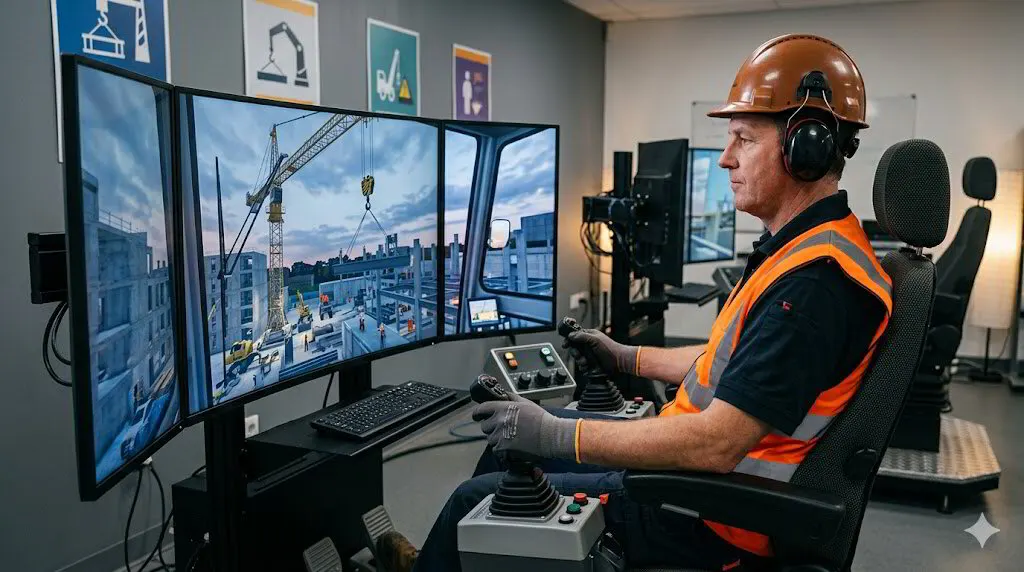
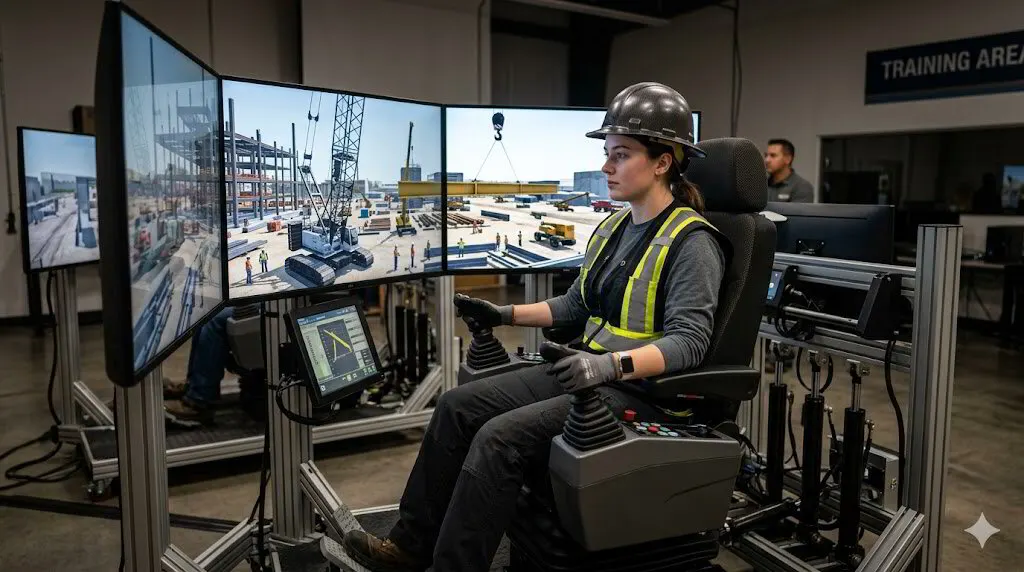
Mobile crane operator training programs increasingly incorporate advanced simulation technology, allowing students to practice complex scenarios safely before operating actual equipment. Virtual reality systems and computerized simulators provide cost-effective training opportunities while reducing equipment wear and safety risks during initial learning phases.
Recertification and Continuing Education
Mobile crane operator certifications require periodic renewal to ensure operators maintain current knowledge of evolving safety standards, technological advances, and regulatory changes. NCCCO certifications remain valid for five years from the issue date, after which operators must complete recertification requirements to maintain their credentials.
Recertification processes typically involve written examinations covering updated regulations, new safety protocols, and technological developments in crane operations. The construction safety training landscape continues evolving, with new equipment features, enhanced safety systems, and refined operational procedures requiring ongoing education. Operators who maintain active certification throughout the five-year period may qualify for streamlined recertification processes.
Continuing education requirements encourage operators to expand their skills and knowledge beyond basic certification levels. Many operators pursue additional specializations, advanced rigging techniques, or supervisory certifications that enhance career prospects. Professional development opportunities include manufacturer-specific training programs, safety seminars, and industry conferences that provide valuable networking and learning experiences.
Staying current with industry regulations proves essential for maintaining certification and ensuring workplace safety. Federal OSHA standards, state safety regulations, and industry best practices undergo regular updates that affect daily operations. Certified operators must remain informed about these changes to maintain compliance and protect themselves from liability issues.
Employers increasingly value operators who demonstrate commitment to ongoing professional development through voluntary training participation and additional certifications.
Conclusion and Final Thoughts
The requirements for mobile crane operator certification Texas provide a clear pathway for entering this rewarding and essential profession. From meeting basic eligibility criteria through completing comprehensive training programs, each step builds the foundation for a successful crane operation career. The certification process ensures operators possess both theoretical knowledge and practical skills necessary for safe, efficient equipment operation in Texas's dynamic construction environment.
Professional certification opens doors to numerous career opportunities across Texas's thriving construction, energy, and industrial sectors. Certified operators enjoy competitive compensation, job security, and the satisfaction of contributing to impressive construction projects that shape Texas communities. The investment in proper training and certification pays dividends throughout an operator's career.
The future of crane operations in Texas looks exceptionally bright, with continued infrastructure development, energy sector expansion, and urban growth driving demand for skilled operators.
Technology advances continue enhancing crane capabilities while maintaining the critical need for qualified human operators who can adapt to evolving equipment and safety requirements.
Ready to begin your journey toward mobile crane operator certification?
Miller Crane Works offers comprehensive training programs designed to help you master the requirements for mobile crane operator certification Texas. Visit https://millercraneworks.com/ Our experienced instructors, modern equipment, and proven curriculum prepare you for certification success and long-term career growth. Contact Miller Crane Works today to learn more about our mobile crane operator training programs and take the first step toward your rewarding career in crane operations.
-
 The Ultimate Guide to Crane Operator Field Training Programs: Certification & Career SuccessIn the ever-evolving construction industry, the need for certified crane operators is paramount, making effective…
-
 How Crane Simulators Enhance Operator Skills for Safer Construction PracticesAs the construction industry increasingly embraces technology, crane operator training has evolved significantly,…
-
 Unlocking Efficiency: The Benefits of Crane Simulator Training for Aspiring OperatorsCrane simulator training is revolutionizing the skill development of aspiring crane operators, offering a safe and…