
The construction industry relies heavily on skilled crane operators who can safely and efficiently handle complex lifting operations. With mobile cranes being essential equipment on construction sites worldwide, the demand for qualified operators continues to grow exponentially.
However, operating a mobile crane requires extensive knowledge, precision, and adherence to strict safety protocols that can only be acquired through comprehensive training.
Choosing the right training institution is crucial for aspiring crane operators and construction professionals seeking to advance their careers. Top-rated mobile crane training schools provide the foundation necessary to obtain NCCCO certification, ensuring operators meet industry standards and regulatory requirements. These institutions offer structured programs that combine theoretical knowledge with hands-on experience, preparing students for real-world challenges they'll encounter on job sites.
The investment in quality crane operator training pays dividends throughout an operator's career. Properly trained professionals command higher salaries, enjoy better job security, and contribute significantly to workplace safety. Moreover, companies increasingly prioritize hiring certified operators to minimize liability and ensure compliance with occupational safety regulations. Understanding what distinguishes exceptional training programs from mediocre ones is essential for making informed decisions about your professional development in the heavy equipment industry.
What to Look for in a Mobile Crane Training School
Selecting the right mobile crane training school requires careful evaluation of several critical factors that directly impact the quality of education and career outcomes. The most important consideration is accreditation and industry recognition, particularly alignment with National Commission for the Certification of Crane Operators (NCCCO) standards. Schools that maintain NCCCO accreditation demonstrate commitment to excellence and ensure their curricula meet rigorous industry benchmarks.
Instructor qualifications represent another crucial element in evaluating potential training programs. The best crane training programs employ instructors with extensive field experience, current certifications, and proven teaching abilities. Look for schools where instructors possess both practical crane operation experience and formal education credentials. These professionals bring real-world insights into the classroom, sharing valuable lessons learned from years of hands-on experience in various construction environments.
Curriculum comprehensiveness and training methodologies significantly influence learning outcomes. Top-tier schools offer balanced programs combining classroom instruction with extensive practical training opportunities. The curriculum should cover load calculations, rigging principles, safety protocols, equipment maintenance, and regulatory compliance. Additionally, modern training facilities should incorporate simulation technology and updated equipment reflecting current industry standards.
Student-to-instructor ratios deserve careful consideration when evaluating construction training schools. Smaller class sizes enable personalized attention, allowing instructors to address individual learning needs and provide targeted feedback. This personalized approach is particularly important during practical training sessions where students develop critical motor skills and decision-making abilities under supervision. Miller Crane Works does not offer job placement. Reputable institutions maintain relationships with employers and provide career guidance to help graduates secure employment opportunities in the competitive heavy equipment training market.
Top-Rated Mobile Crane Training Schools
The landscape of top-rated mobile crane training schools includes several distinguished institutions that consistently deliver exceptional educational experiences and outstanding career outcomes for their graduates. These schools have earned their reputations through decades of excellence in crane safety training and maintaining strong relationships with industry employers.
Leading training institutions typically offer comprehensive mobile crane courses covering various crane types, including hydraulic truck cranes, rough terrain cranes, and all-terrain cranes.
These programs emphasize both theoretical knowledge and practical application, ensuring students develop the competencies necessary for successful NCCCO certification. The most respected schools maintain modern training facilities equipped with current-generation equipment, allowing students to practice on the same machinery they'll encounter in professional settings.
Student success rates serve as reliable indicators of program quality.Miller Crane Works does not offer job placement.
Testimonials from successful graduates provide valuable insights into program quality and career impact. Many former students report significant salary increases following certification, with some experiencing wage improvements of 25-40% compared to their pre-training earnings.
Graduates frequently praise the comprehensive nature of training programs, noting how well-prepared they felt when transitioning to professional crane operation roles.
Program flexibility represents another distinguishing characteristic of premier training schools.Classes are held only at the Seagoville yard, and only the TWC-approved courses are offered. Some schools also provide online theoretical components combined with intensive hands-on training weekends.
The best crane training programs extend beyond basic certification preparation, offering specialized courses in advanced rigging techniques, multiple crane coordination, and complex lift planning. These additional offerings enable students to develop expertise that sets them apart in competitive job markets and positions them for leadership roles within their organizations.
Benefits of Mobile Crane Certification
Mobile crane certification through NCCCO-accredited programs delivers substantial professional and personal benefits that extend far beyond basic job qualifications. Career advancement opportunities represent the most immediate advantage, as certified operators typically qualify for supervisory positions, project management roles, and specialized assignments requiring advanced technical expertise.
Salary improvements constitute another significant benefit of professional certification.Pay is set by the employer. This school does not state or promise wages. This income differential reflects the value employers place on verified competency and the reduced liability associated with hiring certified personnel.
Enhanced job site safety represents a critical benefit extending beyond individual operators to entire construction teams. Certified operators possess comprehensive understanding of load dynamics, environmental factors, and emergency procedures that significantly reduce accident risks. This safety expertise protects both personnel and equipment while contributing to overall project success and timeline adherence.
Regulatory compliance becomes increasingly important as safety standards evolve and enforcement intensifies. Many jurisdictions now require crane operator certification for specific project types or crane capacities. Maintaining current certification ensures continued employability and prevents potential legal complications for both operators and their employers.
Professional credibility and confidence naturally develop through comprehensive training and certification processes. Certified operators approach complex lifting operations with greater assurance, knowing they possess the knowledge and skills necessary to execute tasks safely and efficiently. This confidence translates into improved job performance and increased opportunities for career advancement within the construction industry.
The Certification Process
The NCCCO certification process follows a structured pathway designed to verify operator competency across theoretical knowledge and practical skills. Understanding these requirements helps prospective students prepare effectively and maximize their chances of successful certification on the first attempt.
Written examinations form the foundation of NCCCO certification, testing candidates' knowledge of crane operations, safety protocols, load calculations, and regulatory requirements.
These comprehensive tests require thorough preparation covering technical specifications, industry standards, and best practices. Successful candidates demonstrate mastery of complex concepts including load charts, rigging calculations, and hazard identification procedures.
Practical examinations evaluate hands-on operational skills under controlled conditions.
Candidates must demonstrate proficiency in pre-operation inspections, basic crane operations, and load handling procedures. These assessments require precise equipment control and adherence to safety protocols while completing standardized tasks within specified timeframes.
Recertification training maintains certification validity and ensures operators stay current with evolving industry standards. The recertification process occurs every five years and requires completion of approved continuing education programs or successful re-examination. This ongoing requirement ensures certified operators maintain their skills and adapt to technological advances in crane design and operation.
Exam preparation strategies significantly impact certification success rates. Effective preparation includes comprehensive study of NCCCO reference materials, participation in practice examinations, and hands-on experience with various crane types. Many successful candidates recommend combining self-study with formal training programs to ensure thorough preparation for both written and practical components.
Additional Training Opportunities
Beyond basic mobile crane certification, comprehensive training programs offer specialized courses that enhance career prospects and operational capabilities. Rigger and Signal Person certification represents a valuable complement to crane operator credentials, providing deeper understanding of load handling principles and communication protocols essential for complex lifting operations.
Advanced rigging techniques courses cover specialized equipment and procedures for handling unusual loads, working in confined spaces, and coordinating multiple crane operations.
These skills prove invaluable for operators seeking positions on large-scale construction projects or industrial facilities requiring sophisticated lifting solutions.
Practical training sessions focusing on specific crane models or manufacturer-specific features help operators adapt to diverse equipment types encountered across different employers. These targeted programs address unique operational characteristics, maintenance requirements, and safety considerations associated with particular crane brands or configurations.
Tower crane and lattice crane courses expand operational versatility, qualifying operators for specialized positions requiring expertise with stationary crane installations or large-capacity lattice boom equipment. These certifications open opportunities in high-rise construction, industrial assembly, and infrastructure projects requiring specialized lifting capabilities.
Equipment practice time provides invaluable hands-on experience with various crane types and configurations. Extended practice sessions allow students to develop muscle memory, refine operational techniques, and build confidence handling diverse lifting scenarios. This practical experience proves essential when transitioning from training environments to professional job sites where precision and efficiency are paramount.
Continuing education programs help certified operators maintain their skills and stay current with industry developments. These programs address emerging technologies, updated safety standards, and evolving regulatory requirements that impact daily operations and long-term career success.
Conclusion
Selecting among top-rated mobile crane training schools represents a crucial investment in your professional future within the construction and heavy equipment industries. Quality training programs provide the foundation for successful NCCCO certification while developing the practical skills and safety awareness essential for long-term career success.
The benefits of comprehensive crane operator training extend far beyond initial certification, creating opportunities for career advancement, increased earning potential, and enhanced job security. As construction projects become increasingly complex and safety regulations continue evolving, the value of professional training and certification will only continue growing.
Whether you're an aspiring crane operator beginning your career journey or an experienced construction professional seeking to expand your qualifications, choosing the right training program makes all the difference. The investment in quality education through accredited institutions pays dividends throughout your career while contributing to overall industry safety and professionalism.
Ready to advance your career with professional mobile crane training? Miller Crane Works offers comprehensive mobile crane courses, NCCCO certification programs, and specialized training opportunities designed to meet your professional development needs.
Visit https://millercraneworks.com/ to explore our complete range of crane operator certification programs and take the first step toward a rewarding career in crane operations.
-
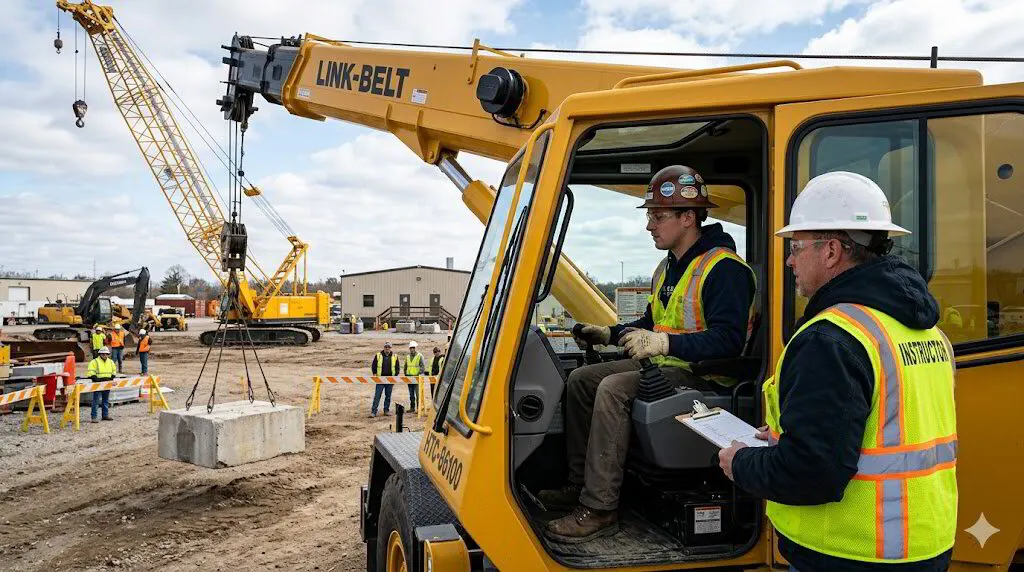 The Ultimate Guide to Crane Operator Field Training Programs: Certification & Career SuccessIn the ever-evolving construction industry, the need for certified crane operators is paramount, making effective…
-
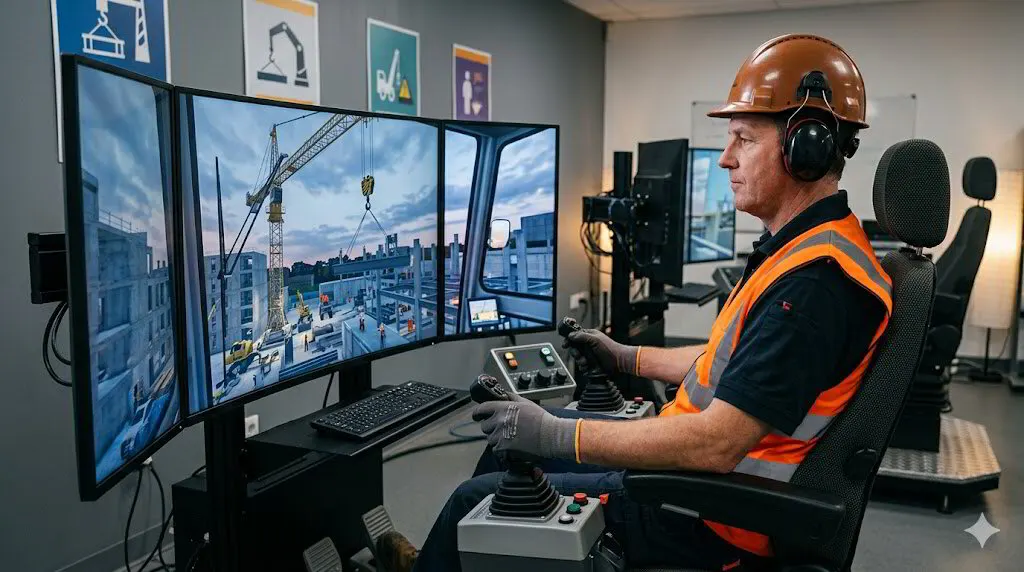 How Crane Simulators Enhance Operator Skills for Safer Construction PracticesAs the construction industry increasingly embraces technology, crane operator training has evolved significantly,…
-
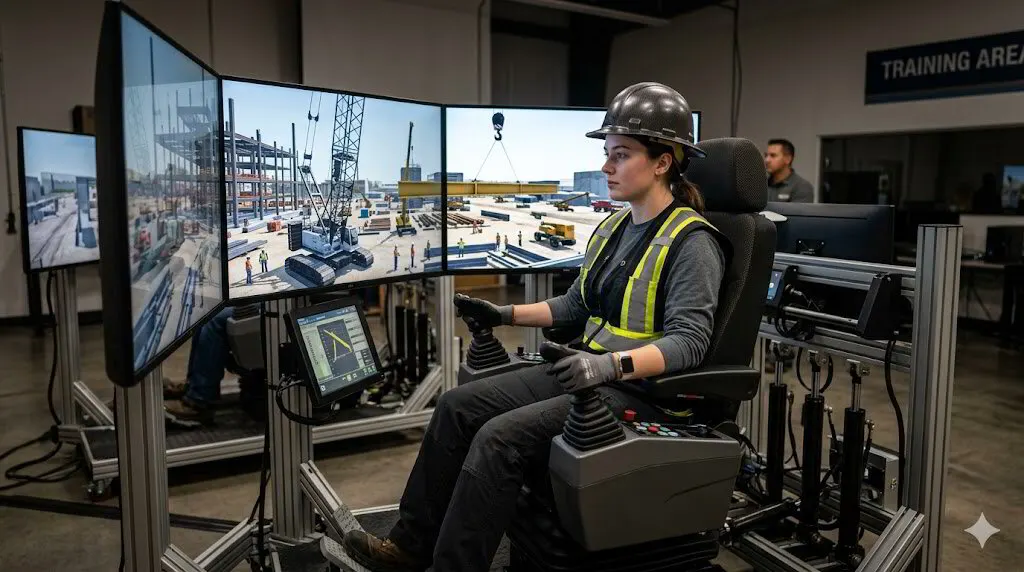 Unlocking Efficiency: The Benefits of Crane Simulator Training for Aspiring OperatorsCrane simulator training is revolutionizing the skill development of aspiring crane operators, offering a safe and…