
The construction and heavy lifting industries have witnessed unprecedented growth in recent years, driving an increased demand for skilled crane operators who can safely and efficiently handle complex lifting operations. In this high-stakes environment, proper certification isn't just a regulatory requirement it's a critical component of workplace safety and professional advancement.
Crane operator safety certification courses serve as the foundation for building competent operators who understand both the technical aspects of crane operation and the safety protocols that protect lives and property. The National Commission for the Certification of Crane Operators (NCCCO) has established itself as the premier certifying body in the United States, setting rigorous standards that ensure operators meet industry benchmarks for knowledge and skill.
For individuals entering the field, NCCCO certification opens doors to better employment opportunities and higher wages. Construction companies benefit from certified operators through reduced liability, improved safety records, and compliance with federal regulations. The certification process validates that operators possess the theoretical knowledge and practical skills necessary to handle complex lifting scenarios while maintaining the highest safety standards. This comprehensive guide will help you navigate the various certification options available and make informed decisions about your training investment.
Types of Crane Operator Safety Certification Courses
The landscape of crane operator safety certification courses encompasses various specialized programs designed to meet the diverse needs of the construction and heavy lifting industries.
Understanding these different certification paths is essential for selecting the training that aligns with your career goals and operational requirements.
Mobile Crane Certification Programs
Mobile crane courses represent the most versatile certification option, covering hydraulic cranes that can travel on public roads and navigate job sites independently. These programs typically include training on telescopic boom cranes, rough terrain cranes, and all-terrain cranes.
Students learn load chart interpretation, crane setup procedures, and operational safety protocols specific to mobile equipment. The certification process involves both written examinations covering theoretical knowledge and practical assessments demonstrating hands-on competency.
Tower Crane Certification Training
Tower crane courses focus on the unique challenges of operating fixed cranes commonly used in high-rise construction projects. These crane training programs emphasize understanding load paths, wind considerations, and coordination with other construction activities. Operators learn about tower crane assembly, climbing procedures, and the critical safety protocols required when working at significant heights. The specialized nature of tower crane operations requires extensive knowledge of structural loads and environmental factors.
Lattice Crane Specialization
Lattice crane courses address the operation of crawler cranes and conventional truck cranes featuring lattice boom construction. These machines handle the heaviest lifting tasks in construction, requiring operators to understand complex rigging configurations and load dynamics. Training covers boom angle calculations, counterweight requirements, and the intricate process of assembling and disassembling lattice boom sections.
Rigger and Signal Person Certification
Beyond crane operator certification, the industry requires qualified riggers and signal persons to ensure safe lifting operations. Rigger certification courses teach proper sling selection, load weight calculation, and rigging hardware inspection. Signal person training focuses on standardized hand signals, radio communication protocols, and positioning for optimal visibility during lifting operations.
Course Format Options Modern crane operator safety certification courses offer flexible learning formats to accommodate different schedules and learning preferences. Traditional classroom instruction provides comprehensive theoretical foundation through lectures, discussions, and exam preparation.
Practical training sessions complement classroom learning with hands-on equipment operation under instructor supervision. Many programs combine both approaches, ensuring students develop both theoretical understanding and practical competency.Classes are held only at the Seagoville yard, and only the TWC-approved courses are offered. These programs update operators on regulatory changes, new safety protocols, and technological advances in crane operation.Classes are held only at the Seagoville yard, and only the TWC-approved courses are offered.
Comparing Crane Operator Safety Certification Courses
Selecting the optimal crane operator safety certification courses requires careful evaluation of multiple factors that impact both the quality of training and its alignment with your specific needs.
A systematic comparison approach ensures you invest in training that delivers maximum value for your career advancement or organizational requirements.
Training Provider Credentials and Reputation
The credibility of your training provider significantly influences the value of your certification.
Look for organizations with established relationships with NCCCO and demonstrated track records of successful student outcomes. Experienced providers offer insights into industry trends and maintain current knowledge of regulatory changes. Investigate the provider's history, student success rates, and industry recognition to ensure you're receiving training from qualified professionals.
Instructor Qualifications and Experience
The expertise of instructors directly impacts the quality of your learning experience. Qualified instructors should hold current NCCCO certifications and possess extensive field experience in crane operations. Look for programs where instructors have worked in diverse construction environments and can share real-world scenarios that enhance theoretical learning. Instructor-to- student ratios also matter, as smaller class sizes enable more personalized attention and hands-on guidance.
Equipment Access and Training Quality
Hands-on training with modern, well-maintained equipment is essential for developing practical skills. Compare the types and condition of cranes available for training, ensuring they represent current industry standards. Programs offering access to multiple crane types provide broader experience and enhance employment opportunities. Evaluate whether training equipment includes the latest safety features and technology you'll encounter in professional settings.
Course Duration and Scheduling Flexibility
Training programs vary significantly in duration and scheduling options. Intensive programs may complete certification in one to two weeks, while part-time options extend over several months. Consider your availability, learning style, and financial constraints when comparing program lengths.Classes are held only at the Seagoville yard, and only the TWC-approved courses are offered.Miller Crane Works does not offer job placement. Look for providers offering study materials, practice exams, and review sessions to enhance your success probability.Miller Crane Works does not offer job placement. Post-certification support, including recertification reminders and continuing education opportunities, adds long-term value to your training investment.
Cost Structure and Value Analysis While cost shouldn't be the sole determining factor, understanding the total investment required helps in making informed decisions. Compare not just tuition fees but also additional costs for materials, testing fees, and equipment usage. Some programs include NCCCO examination fees in their pricing, while others charge separately. Evaluate the cost per hour of instruction and the comprehensiveness of services provided to determine overall value.
The Process of Obtaining Crane Operator Certification
The journey to becoming a certified crane operator follows a structured pathway that combines theoretical learning with practical skill development. Understanding this process helps aspiring operators prepare effectively and maximize their chances of successful certification.
Initial Assessment and Prerequisites
Before enrolling in crane operator safety certification courses, candidates should assess their readiness and meet basic prerequisites. Most programs require participants to be at least 18 years old and possess a valid driver's license. Some providers conduct pre-training assessments to evaluate mathematical skills and mechanical aptitude, as these abilities are crucial for successful crane operation. Physical requirements may include vision and hearing tests, as crane operators must maintain situational awareness in complex environments.
Theoretical Knowledge Development
The certification process begins with comprehensive classroom instruction covering crane operation principles, safety regulations, and technical specifications. Students learn to interpret load charts, understand crane capacity limitations, and master the physics of lifting operations.
This phase includes studying OSHA regulations, ANSI standards, and industry best practices.
Effective programs use interactive teaching methods, including case studies of actual lifting scenarios and accident analysis to reinforce safety concepts.
Practical Skills Training
Hands-on training represents the cornerstone of effective crane operator certification. Students progress from basic machine familiarization to complex lifting operations under instructor supervision. This phase emphasizes pre-operational inspections, proper setup procedures, and smooth operation techniques. Practical training includes emergency procedures, equipment maintenance basics, and troubleshooting common operational issues. Students practice various lifting scenarios, from simple picks to complex multi-crane operations.
NCCCO Examination Preparation
Successful certification requires passing both written and practical NCCCO examinations.
The written exam tests theoretical knowledge across multiple domains, including crane operation, load charts, and safety regulations. Practical examinations evaluate hands-on skills through standardized testing scenarios. Quality training programs include dedicated exam preparation sessions, practice tests, and review of challenging concepts. Instructors familiar with NCCCO testing procedures provide valuable insights into exam expectations and scoring criteria.
Certification Completion and Next Steps
Upon successful examination completion, operators receive NCCCO certification valid for five years. New operators should focus on gaining practical experience while maintaining their skills through continued learning. Many employers provide mentorship programs pairing new operators with experienced professionals. Staying current with industry developments, safety updates, and technological advances ensures long-term career success and prepares operators for eventual recertification requirements.
Industry Standards and Regulations
The crane operation industry operates within a comprehensive framework of regulations and standards designed to ensure safety, competency, and professional accountability. Understanding these requirements is essential for both operators and employers navigating the complex landscape of heavy equipment certification and compliance.
OSHA Regulatory Framework
The Occupational Safety and Health Administration (OSHA) establishes fundamental safety requirements for crane operations through its construction standards, particularly 29 CFR 1926 Subpart CC. These regulations mandate that crane operators must be certified by an accredited organization, with NCCCO being the most widely recognized certifying body. OSHA requirements extend beyond operator certification to include equipment inspection protocols, operational safety procedures, and employer responsibilities for maintaining safe work environments.
NCCCO Certification Standards
The National Commission for the Certification of Crane Operators has developed comprehensive standards that define competency requirements for crane operators across various equipment types. NCCCO standards encompass both written knowledge examinations and practical skills assessments, ensuring certified operators possess the theoretical understanding and hands-on abilities necessary for safe operation. The organization continuously updates its standards to reflect technological advances, regulatory changes, and industry best practices.
ANSI Standards Integration
American National Standards Institute (ANSI) standards, particularly ANSI/ASME B30 series, provide detailed technical requirements for crane construction, maintenance, and operation.
These standards complement NCCCO certification by establishing equipment specifications and operational procedures. Construction safety training programs must incorporate ANSI standards to ensure operators understand equipment limitations, maintenance requirements, and proper operational techniques.
State and Local Regulations While federal regulations provide the foundation for crane operation safety, many states and localities impose additional requirements. Some jurisdictions require state-specific licensing beyond NCCCO certification, while others mandate additional training for specific types of operations. Operators and employers must research and comply with all applicable regulations in their operating areas. This regulatory complexity underscores the importance of choosing crane operator safety certification courses that address both national standards and local requirements.
Industry Best Practices Evolution
The crane operation industry continuously evolves its safety practices based on technological advances, accident analysis, and operational experience. Professional organizations, equipment manufacturers, and training providers collaborate to develop enhanced safety protocols and operational procedures. Staying current with industry best practices requires ongoing education and participation in professional development activities beyond basic certification requirements.
Future of Crane Operator Training and Certification
The crane operation industry stands at the threshold of significant transformation, driven by technological innovation, evolving safety standards, and changing workforce demographics.
Understanding these trends helps operators and training providers prepare for the future landscape of heavy equipment certification and professional development.
Technological Integration in Training
Modern crane operator safety certification courses increasingly incorporate advanced technologies to enhance learning effectiveness and safety outcomes. Virtual reality simulators provide risk-free environments for practicing complex lifting scenarios and emergency procedures.
These systems allow students to experience dangerous situations without actual risk, building confidence and decision-making skills. Augmented reality applications overlay digital information onto real equipment, helping operators understand load dynamics and equipment capabilities more intuitively.
Digital Learning Platforms
The integration of digital learning platforms revolutionizes how crane training programs deliver instruction and track student progress. Online modules complement traditional classroom instruction, providing flexible access to theoretical content and exam preparation materials.
Mobile applications enable students to study load charts, practice calculations, and review safety procedures anywhere. These platforms also facilitate better communication between instructors and students, enabling personalized feedback and targeted skill development.
Advanced Safety Systems
Next-generation cranes feature sophisticated safety systems that require updated training approaches. Load moment indicators, anti-two-block systems, and automated load chart systems enhance operational safety but require operators to understand their capabilities and limitations. Alternative crane certifications may emerge to address specialized equipment featuring advanced automation and safety technologies. Training programs must evolve to ensure operators can effectively utilize these systems while maintaining situational awareness and manual operation skills.
Workforce Development Challenges
The construction industry faces significant workforce challenges as experienced operators retire and younger workers enter the field. This demographic shift requires training providers to adapt their approaches to different learning styles and technological expectations.
Apprenticeship programs and partnerships between training providers and construction companies help bridge the experience gap while ensuring adequate operator supply for industry needs.
Conclusion and Recommendations
The selection of appropriate crane operator safety certification courses represents a critical investment in both individual career advancement and organizational safety excellence.
Throughout this comprehensive analysis, we've explored the multifaceted landscape of certification options, from specialized mobile and tower crane programs to essential rigge r and signal person training. The comparison factors discussed instructor qualifications, equipment access, scheduling flexibility, and comprehensive support services provide a framework for making informed training decisions.
The certification process itself, while demanding, offers clear pathways to professional competency through structured theoretical learning and hands-on practical application. Understanding industry standards and regulations, particularly OSHA requirements and NCCCO certification protocols, ensures that training investments align with legal compliance and professional expectations. The evolving landscape of crane operation training, enhanced by technological innovations and digital learning platforms, promises even more effective and accessible training opportunities in the future.
For aspiring crane operators, the key to success lies in selecting reputable training providers who offer comprehensive programs combining theoretical knowledge with extensive practical experience. Construction companies benefit most from partnering with training organizations that understand their specific operational requirements and can provide customized solution s for their workforce development needs.
Ready to advance your crane operation career or enhance your team's capabilities? Miller Crane Works offers comprehensive crane operator safety certification courses designed to meet the highest industry standards. Our expert instructors, modern equipment, and flexible training schedules ensure you receive the quality education necessary for professional success.
Visit https://millercraneworks.com/ today to explore our full range of certification programs and take the next step toward achieving your crane operation goals.
-
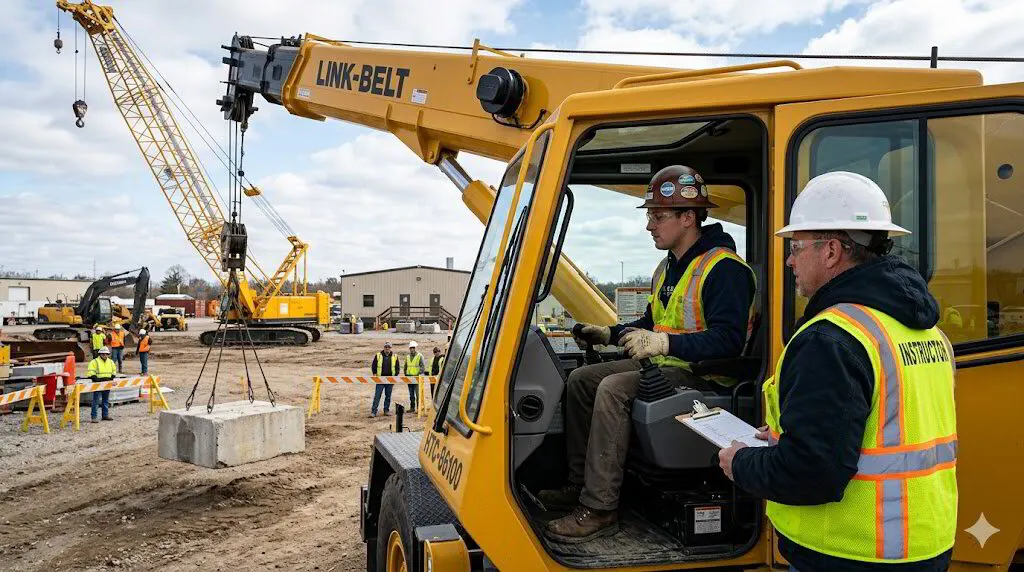 The Ultimate Guide to Crane Operator Field Training Programs: Certification & Career SuccessIn the ever-evolving construction industry, the need for certified crane operators is paramount, making effective…
-
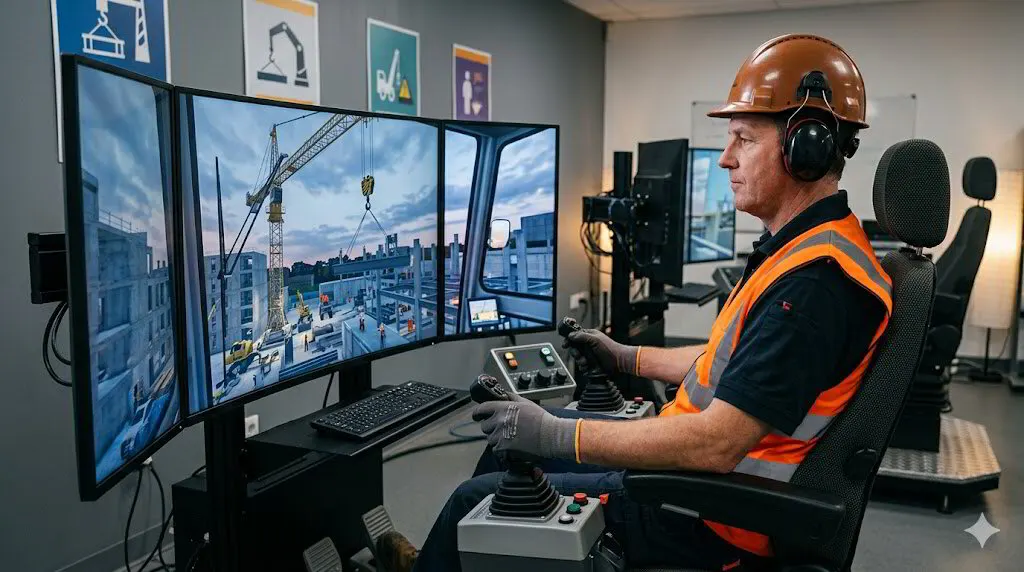 How Crane Simulators Enhance Operator Skills for Safer Construction PracticesAs the construction industry increasingly embraces technology, crane operator training has evolved significantly,…
-
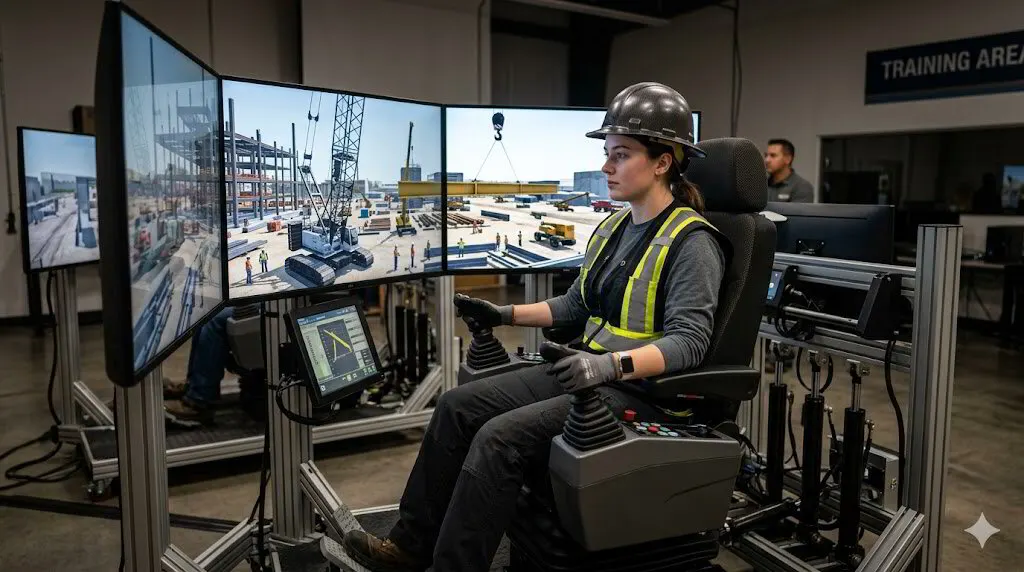 Unlocking Efficiency: The Benefits of Crane Simulator Training for Aspiring OperatorsCrane simulator training is revolutionizing the skill development of aspiring crane operators, offering a safe and…