
The construction industry in Seagoville, Texas, continues to experience significant growth, creating an unprecedented demand for skilled crane operators and certified professionals in heavy equipment operations. As commercial and residential projects expand throughout the Dallas-Fort Worth metroplex, the need for properly trained crane operators has never been more critical. Whether you're an aspiring crane operator looking to enter this lucrative field, a construction professional seeking to enhance your skill set, or a company needing to certify your workforce, understanding the landscape of crane training programs in Seagoville TX is essential for making informed decisions about your career or business needs.
Professional crane operation requires more than just mechanical aptitude—it demands comprehensive training, safety awareness, and industry-recognized certification. The complexity of modern construction projects, combined with stringent safety regulations and liability concerns, makes proper training an absolute necessity rather than an optional consideration. This comprehensive guide will walk you through everything you need to know about crane training opportunities in Seagoville, helping you navigate the certification process and choose the right program for your specific goals and requirements.
Introduction to Crane Training Programs
Crane operations represent one of the most specialized and safety-critical aspects of modern construction and heavy industry work. These massive machines, capable of lifting thousands of pounds to extraordinary heights, require operators who possess not only technical expertise but also an unwavering commitment to safety protocols and precision execution. The complexity of crane operations encompasses multiple disciplines, including load calculations, rigging techniques, signal interpretation, and comprehensive understanding of mechanical systems and hydraulics.
Professional crane training programs serve as the foundation for developing these essential skills while ensuring operators meet industry standards and regulatory requirements. These programs combine theoretical knowledge with extensive hands-on practice, covering everything from basic machine operation to advanced lifting techniques and emergency procedures. Students learn to interpret load charts, understand ground conditions, assess weather factors, and coordinate with rigging teams and signal persons to execute safe and efficient lifting operations.
The importance of proper certification cannot be overstated in today's construction environment. Insurance companies, general contractors, and project owners increasingly require documented proof of operator competency before allowing individuals to operate cranes on job sites. This requirement stems from the significant liability risks associated with crane operations and the potential for catastrophic accidents when proper procedures are not followed.
The National Commission for the Certification of Crane Operators (NCCCO) has emerged as the industry standard for crane operator certification, providing nationally recognized credentials that demonstrate an operator's knowledge and competency. NCCCO certification involves rigorous written and practical examinations that test operators' understanding of safety protocols, operational procedures, and technical knowledge specific to their crane type and capacity range.
Types of Crane Training Courses Offered
The diverse nature of construction and industrial projects requires different types of cranes, each with unique operational characteristics and certification requirements. Understanding the various crane training programs in Seagoville TX helps professionals choose the appropriate certification path for their career goals and industry focus.
Mobile Crane Training
Mobile crane training represents the most versatile and widely applicable certification path in the crane operation field. These courses focus on truck-mounted and rough terrain cranes that can be easily transported between job sites and positioned for various lifting applications. Mobile crane operators learn to navigate complex load charts that account for boom length, angle, and crane configuration, while also mastering the intricacies of outrigger setup and ground preparation.
The curriculum covers hydraulic system operation, load block rigging, and the critical skill of reading and interpreting manufacturer specifications for different crane models. Students practice with various boom configurations, learning how extending boom length affects lifting capacity and stability. Additionally, mobile crane training emphasizes the importance of site evaluation, including assessing ground conditions, overhead hazards, and adequate clearance for crane movement and operation.
Tower Crane Training
Tower crane certification focuses on the stationary cranes commonly used in high-rise construction and large commercial projects. These massive machines require specialized knowledge of climbing procedures, load path planning, and coordination with other construction activities. Tower crane operators must understand the unique challenges of working at extreme heights while managing loads that may need to be precisely positioned within tight tolerances.
Training programs cover tower crane assembly and disassembly procedures, although operators typically work with specialized rigging crews for these complex operations. Students learn to operate from enclosed cabs positioned high above the construction site, requiring comfort with heights and the ability to maintain focus during long shifts. The curriculum includes weather monitoring, as tower cranes are particularly susceptible to wind conditions and must be secured or taken out of service during adverse weather.
Lattice Crane Training
Lattice boom cranes represent the heavy-lifting specialists of the crane world, capable of handling the largest and most complex lifting operations. These cranes feature segmented boom sections that can be configured for extreme reach or maximum lifting capacity. Heavy equipment training Seagoville programs for lattice cranes focus on the complex assembly procedures required to configure these machines for specific lifting applications.
Operators learn to work with rigging crews to install boom sections, configure counterweights, and set up the extensive outrigger systems required for stability. Lattice crane operations often involve multi-day setup procedures and require careful planning and coordination with project schedules. The training emphasizes load calculation accuracy, as lattice cranes often work at the limits of their capacity charts for specialized heavy lifting applications.
Rigger & Signal Person Certification
While not crane operators themselves, riggers and signal persons play critical roles in crane operations and require specialized certification. Rigging classes Seagoville focus on proper sling selection, load attachment techniques, and understanding load dynamics during lifting operations. Students learn to calculate sling angles, determine working load limits, and inspect rigging hardware for damage or wear.
Signal person training Seagoville programs teach the standardized hand signals and radio communication protocols used to coordinate crane operations. Signal persons must maintain constant visual contact with both the crane operator and the load, serving as the operator's eyes and ears when direct line of sight is obstructed. This training includes understanding crane capabilities, recognizing dangerous conditions, and knowing when to stop operations for safety reasons.
Why Choose Miller Crane Works?
Miller Crane Works has established itself as a premier provider of crane operator training and certification services, distinguished by a commitment to excellence that goes beyond basic compliance requirements. The company's approach to crane operator education emphasizes practical, real-world application of skills while maintaining the highest safety standards throughout the learning process.
The foundation of Miller Crane Works' success lies in its team of experienced instructors who bring decades of field experience to the classroom and training yard. These professionals have worked on diverse construction projects, from high-rise buildings to industrial facilities, providing students with insights that go far beyond textbook knowledge. Their practical experience enables them to share real-world scenarios, common challenges, and proven solutions that students will encounter throughout their careers.
Hands-on practical training forms the cornerstone of Miller Crane Works' educational philosophy. Rather than relying solely on classroom instruction, students spend significant time operating actual crane equipment under expert supervision. This approach allows students to develop muscle memory, build confidence, and experience the nuances of crane operation that cannot be learned through theory alone. The practical training sessions simulate real job site conditions, including various load types, challenging positioning requirements, and coordination with rigging teams.
Flexibility in scheduling represents another key advantage of choosing Miller Crane Works for NCCCO certification training. Understanding that many students are working professionals or have family obligations, the company offers multiple scheduling options to accommodate different needs. Weekend courses, evening sessions, and intensive programs allow students to pursue certification without disrupting their current employment or personal commitments.
Competitive pricing ensures that quality crane operator training remains accessible to individuals and companies seeking to invest in professional development. Miller Crane Works maintains transparent pricing structures without hidden fees or surprise charges, allowing students to budget effectively for their certification goals. The company's value proposition extends beyond initial training costs, as the comprehensive nature of their programs often reduces the need for additional remedial training or repeat examinations.
Steps to Get Started with Crane Training in Seagoville, TX
Beginning your journey toward crane operator certification requires careful planning and a clear understanding of your specific goals and requirements. The process of selecting and completing crane training programs in Seagoville TX involves several important steps that will set the foundation for your success in this specialized field.
Assessing Your Certification Needs
The first step involves conducting a thorough assessment of your certification requirements based on your career objectives and the types of projects you intend to work on. Different crane types and capacity ranges require specific certifications, and understanding these distinctions helps ensure you pursue the most relevant training path. Consider the construction markets in your area, the types of contractors you hope to work with, and the crane equipment commonly used in your target industry sector.
Research local job postings and speak with construction companies to understand their specific certification requirements and preferences. Some employers may prefer operators with multiple certifications, while others focus on specific crane types or capacity ranges. This market research helps inform your training decisions and may influence whether you pursue single or multiple certifications.
Choosing the Right Training Program
Selecting the appropriate training program requires evaluating several factors beyond basic course content. Consider the program's reputation within the local construction community, the experience level of instructors, and the quality of training equipment. Programs that use current crane models and maintain equipment in excellent condition provide more relevant training experiences that translate directly to job site performance.
Evaluate the program's pass rates for NCCCO examinations and ask about ongoing support for students who may need additional preparation or practice time. Quality programs provide resources for continued learning and may offer refresher sessions or additional practice opportunities for students who need extra preparation before taking their certification examinations.
Enrollment Process
The enrollment process typically begins with completing an application that documents your relevant experience, education, and training goals. Some programs may require prerequisite experience or basic safety certifications before beginning crane operator training. Be prepared to provide documentation of any previous heavy equipment experience, safety training certificates, or relevant educational background.
Most programs require a deposit or full payment at the time of enrollment, along with completion of safety waivers and medical clearance forms. Some training providers may require vision and hearing tests to ensure students can safely operate crane equipment and respond to signals and warnings during training exercises.
Preparing for Training
Successful preparation for crane training involves both physical and mental preparation for the challenges ahead. Review any provided study materials before beginning classroom instruction, and ensure you understand basic mathematical concepts related to load calculations and weight distribution. Physical preparation includes ensuring you're comfortable working at heights and can safely navigate crane cabs and equipment.
Gather required personal protective equipment, including hard hats, safety glasses, work boots, and high-visibility clothing. Some programs provide this equipment, while others require students to bring their own. Confirm these requirements during the enrollment process to avoid delays in beginning your training.
Understanding the NCCCO Certification Process
The National Commission for the Certification of Crane Operators (NCCCO) serves as the premier credentialing organization for crane operators throughout the United States. Understanding the NCCCO certification process is essential for anyone pursuing professional crane operator credentials, as these certifications have become the industry standard for demonstrating competency and knowledge in crane operations.
NCCCO was established in response to industry demands for standardized, reliable measures of crane operator competency. The organization develops and maintains certification programs based on industry best practices, safety standards, and input from construction professionals, crane manufacturers, and safety experts. This collaborative approach ensures that NCCCO certifications remain relevant and valuable in the rapidly evolving construction industry.
The certification process involves multiple components designed to thoroughly evaluate an operator's knowledge and practical skills. Written examinations test theoretical knowledge of crane operations, safety procedures, load calculations, and regulatory requirements. These comprehensive tests cover topics ranging from basic crane components and operational principles to complex lifting scenarios and emergency procedures.
Practical examinations require candidates to demonstrate their ability to safely and efficiently operate crane equipment under controlled conditions. These hands-on tests evaluate pre-operational inspections, basic operational skills, load handling techniques, and response to various operational scenarios. Practical exams are conducted using actual crane equipment and are administered by certified examiners who evaluate performance against established criteria.
NCCCO certifications are crane-type specific, meaning operators must obtain separate certifications for different crane categories. This approach recognizes the unique operational characteristics and safety considerations associated with different crane types.
Recertification requirements ensure that certified operators maintain current knowledge and stay updated on evolving safety standards and operational practices. NCCCO certificates are valid for five years, after which operators must complete recertification requirements to maintain their credentials. Recertification typically involves completing continuing education requirements and may include written examinations or practical assessments depending on the specific certification category.
The recertification process also provides opportunities for operators to expand their certifications by adding new crane types or capacity ranges to their credentials. Many experienced operators pursue multiple certifications to increase their employment opportunities and demonstrate versatility to potential employers. Construction safety courses and ongoing professional development activities often count toward recertification requirements, encouraging operators to maintain high standards throughout their careers.
Benefits of Crane Operator Training
Professional crane operator training provides numerous advantages that extend far beyond basic job qualification requirements. These benefits impact both individual career prospects and broader construction industry safety and efficiency standards.
Increased job opportunities represent perhaps the most immediate and tangible benefit of completing professional crane operator training. The construction industry consistently faces shortages of qualified crane operators, creating excellent employment prospects for certified professionals. Certified operators often command higher wages than their uncertified counterparts and have access to premium job assignments with reputable contractors and major construction projects.
Enhanced safety measures benefit not only individual operators but entire construction teams and project sites. Properly trained operators understand the critical importance of pre-operational inspections, load limit adherence, and communication protocols that prevent accidents and protect workers. This safety awareness extends beyond crane operations to general construction site safety practices and hazard recognition skills that make trained operators valuable team members.
Skill development through comprehensive training programs creates well-rounded professionals who understand both the technical and practical aspects of crane operations. These skills include mechanical troubleshooting, maintenance awareness, and problem-solving abilities that help operators adapt to various equipment types and operational challenges. The broad skill base developed through quality training programs makes operators more versatile and valuable to employers.
Long-term career growth opportunities abound for certified crane operators who continue to develop their skills and expand their certifications. Many operators advance to supervisory roles, become crane inspectors, or start their own crane service businesses. The technical knowledge and safety awareness developed through professional training provide the foundation for these career advancement opportunities and help operators build reputations as reliable, competent professionals.
FAQs about Crane Training Programs
How long do crane training courses typically take to complete?
Most basic crane operator certification courses require between one to two weeks of intensive training, depending on the crane type and certification level. Mobile crane courses often take 3-5 days, while more complex certifications like tower cranes may require 7-10 days. The duration also depends on whether you're pursuing initial certification or adding additional crane types to existing credentials.
What should I expect during hands-on training sessions?
Practical training sessions involve operating actual crane equipment under instructor supervision. You'll practice pre-operational inspections, basic controls operation, load handling exercises, and various lifting scenarios. Sessions typically progress from simple operations to more complex maneuvers as your skills develop. Expect to work with different load types and practice coordination with riggers and signal persons.
How often do I need to renew my NCCCO certification?
NCCCO certifications are valid for five years from the date of issuance. Recertification requirements include completing continuing education credits and may involve written examinations depending on your certification type. Many operators complete recertification training during the fourth year of their certification period to ensure continuity of their credentials.
Miller Crane Works does not offer job placement. The school does not line up jobs, rewrite resumes, or coach interviews.
Conclusion and Next Steps
The construction industry's continued growth in Seagoville and throughout the Dallas-Fort Worth metroplex creates exceptional opportunities for skilled crane operators and certified professionals. As projects become increasingly complex and safety requirements more stringent, the value of comprehensive training and proper certification continues to increase. Professional crane operator training represents not just a pathway to employment, but an investment in a stable, well-compensated career with excellent long-term prospects.
The diverse range of crane training programs in Seagoville TX ensures that aspiring operators can find training paths that match their career goals and industry interests. Whether you're drawn to the versatility of mobile crane operations, the precision required for tower crane work, or the heavy-lifting challenges of lattice boom operations, quality training programs provide the foundation for success in any crane operation specialty.
Miller Crane Works stands ready to help you begin or advance your crane operator career through comprehensive training programs designed to meet industry standards and exceed employer expectations. Our experienced instructors, hands-on training approach, and flexible scheduling options make professional certification accessible and achievable for motivated individuals committed to excellence in crane operations.
The time to begin your crane operator training journey is now. Construction activity continues to accelerate, creating immediate opportunities for newly certified operators while building long-term demand for experienced professionals. Don't let this opportunity pass by—take the first step toward a rewarding career in crane operations.
Contact Miller Crane Works today to learn more about our comprehensive training programs and certification courses. Visit https://millercraneworks.com/ to explore our course offerings, review schedules, and begin your enrollment process. Your future in crane operations starts with the right training foundation—let Miller Crane Works provide the expertise and support you need to succeed.
-
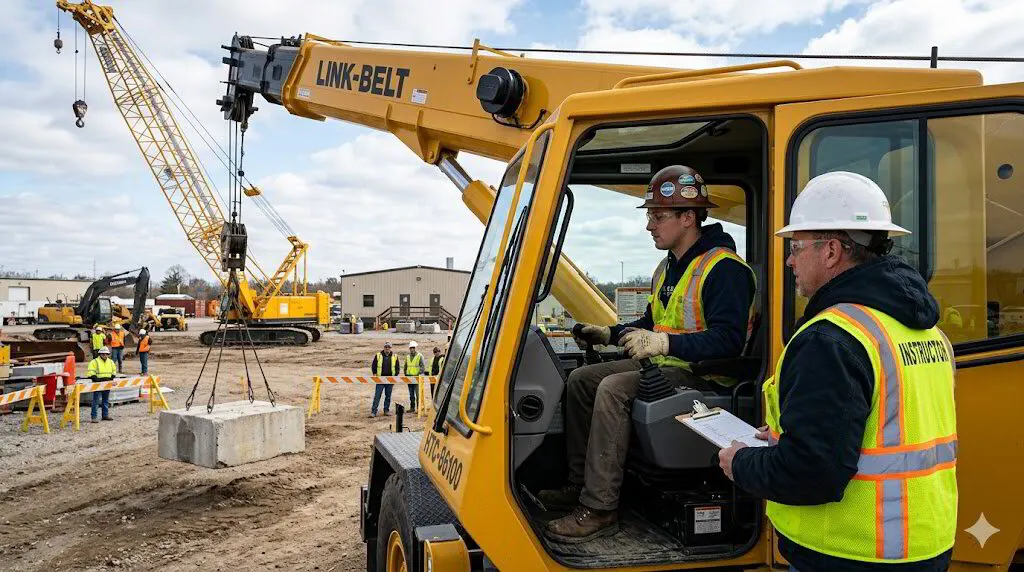 The Ultimate Guide to Crane Operator Field Training Programs: Certification & Career SuccessIn the ever-evolving construction industry, the need for certified crane operators is paramount, making effective…
-
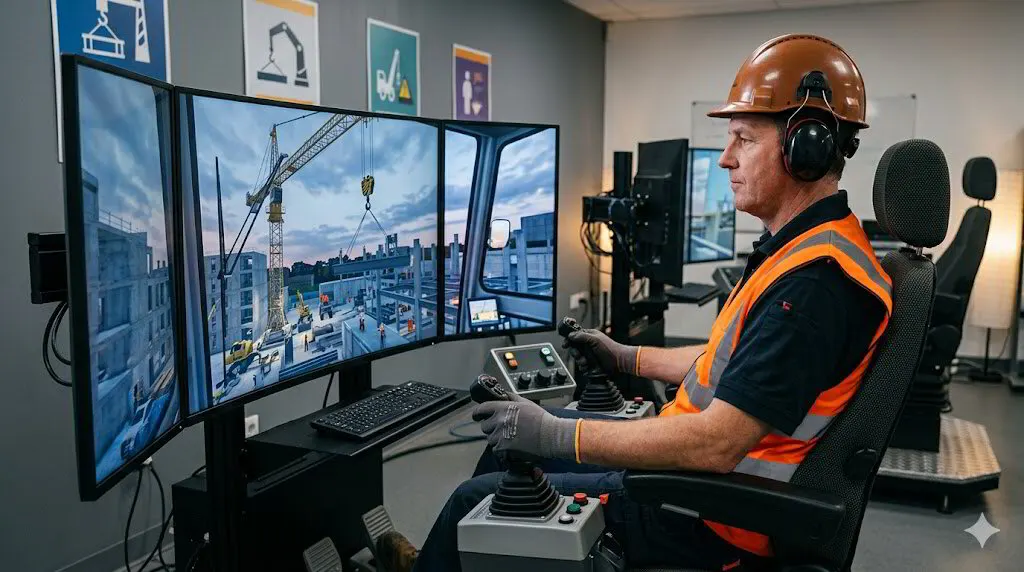 How Crane Simulators Enhance Operator Skills for Safer Construction PracticesAs the construction industry increasingly embraces technology, crane operator training has evolved significantly,…
-
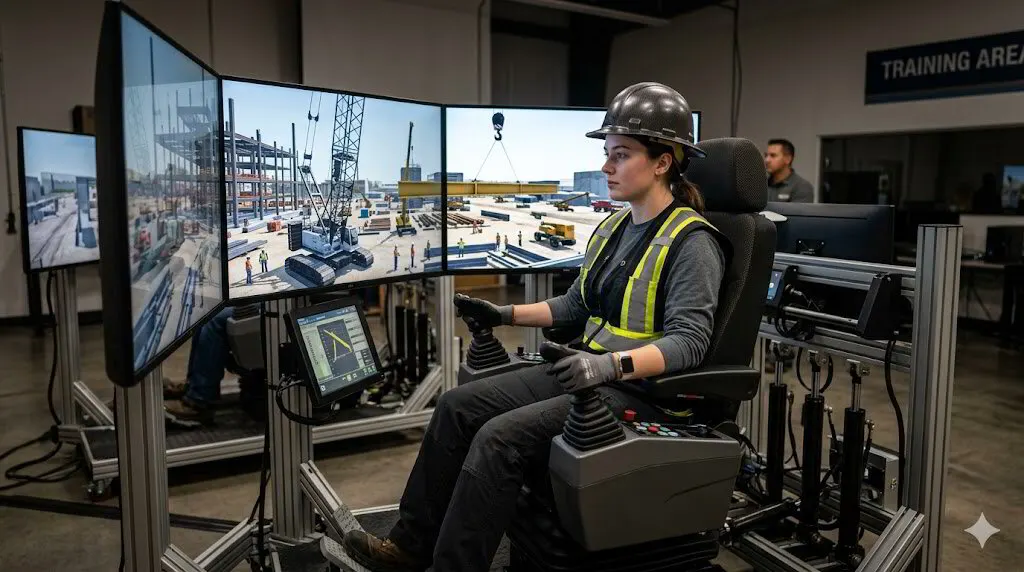 Unlocking Efficiency: The Benefits of Crane Simulator Training for Aspiring OperatorsCrane simulator training is revolutionizing the skill development of aspiring crane operators, offering a safe and…