
The construction and heavy lifting industries demand precision, safety, and expertise at every level. When massive structures rise from the ground or heavy equipment moves across job sites, skilled crane operators stand at the center of these complex operations. Their expertise determines not only project success but also workplace safety for entire construction teams.
Professional crane operation requires far more than basic mechanical knowledge. Today's operators must navigate sophisticated hydraulic systems, understand load dynamics, interpret weather conditions, and maintain constant communication with ground crews. These responsibilities demand comprehensive training and formal certification that validates both theoretical knowledge and practical skills.
The pathway to becoming a certified crane operator involves specialized crane lifting operations certification courses designed to meet industry standards and regulatory requirements. These programs combine classroom instruction with hands-on training, ensuring operators develop the competencies needed for safe and efficient lifting operations. Whether you're entering the field for the first time or seeking to advance your current credentials, understanding the certification landscape is essential for career success.
The investment in proper certification extends beyond individual career advancement. Companies increasingly require certified operators to maintain insurance coverage, comply with safety regulations, and demonstrate their commitment to professional standards. This comprehensive guide explores everything you need to know about crane lifting operations certification courses, helping you make informed decisions about your professional development in this critical industry sector.
Types of Crane Operator Certification Courses Available
The crane operation field encompasses various specialized equipment types, each requiring distinct skills and knowledge bases. Understanding these differences is crucial when selecting appropriate crane lifting operations certification courses for your career goals.
Mobile Crane Courses represent the most versatile certification option in the industry. These programs focus on truck-mounted and rough-terrain cranes commonly used in construction, infrastructure projects, and industrial applications. Mobile crane operators learn to navigate diverse job sites, understand ground conditions, and manage the unique challenges of equipment that moves between locations. The curriculum covers load charts, boom angles, counterweight systems, and the critical safety protocols specific to mobile operations. Students master the complexities of setting up cranes on varying terrain while maintaining stability and operational safety.
Tower Crane Courses address the specialized requirements of high-rise construction and urban development projects. These massive machines require operators who understand vertical lifting dynamics, weather impacts at elevation, and the coordination required for multi-story construction. Tower crane certification programs emphasize precision control, load management in windy conditions, and the unique safety considerations of working at significant heights. Operators learn to manage the fixed-base nature of tower cranes while maximizing their lifting capacity and operational efficiency.
Lattice Crane Courses focus on the heavy-lifting specialists of the crane world. These machines handle the largest loads and most complex lifting scenarios in industrial construction, power plant installation, and major infrastructure projects. Lattice crane operators must understand boom configuration, counterweight systems, and the assembly processes that make these cranes suitable for specialized applications. The training emphasizes load dynamics, rigging techniques, and the coordination required for multi-crane operations.
Each certification type follows specific NCCCO certification standards, ensuring operators meet nationally recognized competency requirements. The specialization allows operators to develop expertise in their chosen equipment category while maintaining the flexibility to pursue additional certifications as their careers progress. Understanding these distinctions helps both individual operators and companies select the most appropriate training programs for their specific operational needs and career objectives.
Understanding the Certification Process
The pathway to crane operator certification follows a structured process designed to ensure competency and safety across the industry. Understanding this process helps prospective operators prepare effectively and set realistic expectations for their certification journey.
Prerequisites and Eligibility Requirements form the foundation of the certification process. Most crane lifting operations certification courses require candidates to be at least 18 years old and possess a valid driver's license. While formal education requirements vary, many programs recommend basic mathematics skills and mechanical aptitude. Some specialized certifications may require previous experience with heavy equipment or completion of foundational safety training. Medical requirements often include vision and hearing standards that ensure operators can safely perform their duties.
The NCCCO Certification Structure provides the industry standard for crane operator credentials. The National Commission for the Certification of Crane Operators establishes rigorous testing protocols that combine written examinations with practical assessments. Written tests evaluate theoretical knowledge including load calculations, safety regulations, equipment specifications, and operational procedures. Practical examinations require candidates to demonstrate actual operating skills under controlled conditions, proving their ability to safely manage real-world lifting scenarios.
The certification process typically follows a sequential structure. Candidates begin with core safety training that covers fundamental principles applicable across all crane types. This foundation includes hazard recognition, communication protocols, and regulatory compliance requirements. Following core training, candidates pursue specialized certification in their chosen equipment category, completing both classroom instruction and hands-on practice sessions.
Recertification Requirements ensure operators maintain current knowledge and skills throughout their careers. NCCCO certification requires renewal every five years, with specific continuing education requirements that keep operators updated on evolving safety standards, technological advances, and regulatory changes. Recertification training programs focus on new developments in crane technology, updated safety protocols, and refresher training on fundamental operational principles.
The certification timeline varies depending on the specific program and candidate preparation level. Intensive programs may complete certification requirements within several weeks, while part-time options accommodate working professionals over several months. Understanding these timelines helps candidates plan their certification journey while managing existing work responsibilities and career transitions.
Comparing Course Providers
Selecting the right training provider significantly impacts the quality of education, certification success rates, and long-term career prospects. The crane operator training landscape includes various institutions, each offering different advantages and specializations.
Accreditation and Industry Recognition serve as primary indicators of program quality. Reputable providers maintain NCCCO accreditation and demonstrate compliance with industry training standards. These credentials ensure that course content meets current regulatory requirements and employer expectations. Providers should display their accreditation status prominently and provide detailed information about their certification processes and success rates.
Instructor Qualifications and Experience directly influence the quality of training delivery. Effective instructors combine extensive field experience with teaching expertise, bringing real-world insights into classroom and practical training sessions. Look for providers whose instructors hold current certifications, maintain active industry involvement, and demonstrate ongoing professional development. The best programs feature instructors who have worked across various crane types and construction environments, offering students diverse perspectives on operational challenges and best practices.
Training Facilities and Equipment Quality significantly impact the practical learning experience. Modern training centers provide access to current crane models, updated technology systems, and realistic training scenarios. Evaluate providers based on their equipment inventory, maintenance standards, and the variety of machines available for hands-on practice. Facilities should simulate actual job site conditions while maintaining controlled environments that prioritize student safety during the learning process.
Course Structure and Flexibility accommodate different learning styles and professional schedules. Some providers offer intensive boot camp formats that complete certification requirements quickly, while others provide part-time schedules that allow students to maintain current employment. Evening and weekend options serve working professionals, while full-time programs may better suit career changers or new entrants to the construction industry.
Cost Considerations and Value Proposition require careful evaluation beyond simple price comparisons. Factor in the total investment including tuition, materials, equipment usage, and any additional fees.Miller Crane Works does not offer job placement. Higher-cost programs may offer superior facilities, smaller class sizes, or enhanced career services that justify the additional investment through improved employment prospects and starting salaries.
Student Support Services distinguish exceptional providers from basic training programs.Miller Crane Works does not offer job placement. The best providers maintain relationships with local employers, offer networking opportunities, and provide resources that extend beyond the completion of certification requirements.
Practical Training Sessions Explained
Hands-on experience forms the cornerstone of effective crane operator education, bridging the gap between theoretical knowledge and real-world application. Understanding what to expect from practical training sessions helps students maximize their learning opportunities and prepare for certification examinations.
Structured Learning Progression characterizes well-designed practical training programs. Students begin with basic equipment familiarization, learning to identify components, understand control systems, and perform pre-operational inspections. Initial sessions focus on fundamental movements in controlled environments, allowing students to develop muscle memory and confidence with equipment responses. As competency develops, training progresses to more complex scenarios involving load management, precision positioning, and multi-step lifting operations.
Safety Protocol Integration remains paramount throughout all practical sessions. Students learn to implement safety procedures as automatic responses rather than conscious decisions, ensuring these practices become ingrained habits. Training includes emergency response procedures, hazard recognition exercises, and communication protocols with ground crews and signal persons. Practical sessions emphasize the development of situational awareness that enables operators to identify potential problems before they become safety incidents.
Equipment Practice Time provides students with extensive exposure to actual crane operations under instructor supervision. Quality programs offer sufficient practice time for students to develop proficiency across various operational scenarios. This includes experience with different load types, varying weather conditions, and diverse job site configurations. Students practice the precise control required for delicate positioning tasks while also managing the power needed for heavy lifting operations.
Real-World Scenario Simulation prepares students for the challenges they will encounter in actual employment situations. Training scenarios replicate common job site conditions, including space constraints, time pressures, and coordination with other construction activities. Students learn to adapt their techniques to different environments while maintaining safety standards and operational efficiency. These simulations build the decision-making skills and adaptability that distinguish competent operators from merely certified ones.
The practical training component directly prepares students for NCCCO certification examinations while building the confidence and competency required for successful employment in the crane operation field.
Benefits of Being Certified
Professional certification in crane operations delivers substantial advantages that extend throughout an operator's career, benefiting both individual professionals and their employers. These benefits justify the investment in comprehensive crane lifting operations certification courses and ongoing professional development.
Enhanced Career Opportunities represent the most immediate advantage of certification. Certified operators access employment opportunities unavailable to uncertified workers, including positions with leading construction companies, industrial facilities, and specialized heavy lifting contractors. Many employers require certification as a minimum qualification, making it essential for career entry and advancement. Certification also enables operators to pursue specialized roles in complex projects such as power plant construction, bridge installation, and high-rise development.
Increased Earning Potential reflects the value that employers place on certified operators. Industry data consistently shows that certified crane operators earn significantly higher wages than their uncertified counterparts. This premium reflects both the specialized skills that certification represents and the reduced liability that certified operators provide to employers. Career progression opportunities, including supervisory roles and specialized positions, typically require certification as a prerequisite.
Enhanced Safety and Risk Management capabilities benefit both operators and their work environments. Certified operators demonstrate comprehensive understanding of safety protocols, hazard recognition, and emergency response procedures. This knowledge reduces accident rates, minimizes equipment damage, and creates safer job sites for all workers. The systematic training that leads to certification builds the judgment and decision-making skills that prevent incidents before they occur.
Professional Credibility and Industry Recognition establish certified operators as serious professionals committed to excellence in their field. Certification demonstrates dedication to professional development and adherence to industry standards. This credibility facilitates career mobility, networking opportunities, and recognition within the construction and heavy lifting communities.
Regulatory Compliance and Legal Protection provide essential coverage in today's regulatory environment. Many jurisdictions require certified operators for specific types of lifting operations, and insurance companies increasingly mandate certification for coverage. Certified operators and their employers benefit from reduced liability exposure and demonstrated compliance with safety regulations.
FAQs About Crane Lifting Operations Certification
Q: How long does it take to complete crane lifting operations certification courses?A: Certification timelines vary depending on the specific program and crane type. Most comprehensive programs require 2-4 weeks of full-time study, combining classroom instruction with practical training. Part-time programs may extend over 2-3 months to accommodate working schedules. Mobile crane certification typically requires less time than tower or lattice crane specializations due to the complexity differences.
Q: What are the costs associated with NCCCO certification training? Pay is set by the employer. This school does not state or promise wages. This investment includes classroom instruction, practical training, equipment usage, and examination fees. Many programs offer financing options, and some employers provide tuition reimbursement for employees pursuing certification. Q: Do I need previous experience to enroll in crane operator training?A: Most programs accept students without previous crane experience, though basic mechanical aptitude and construction familiarity prove helpful. Some programs require general construction safety training or heavy equipment experience as prerequisites. The structured curriculum builds skills progressively, accommodating students from various backgrounds.
Q: How often must I renew my crane operator certification?A: NCCCO certification requires renewal every five years through continuing education or re-examination. Recertification training programs focus on updated safety standards, technological advances, and regulatory changes. Some employers require additional training or internal certifications beyond NCCCO requirements.
Q: Can I operate all crane types with a single certification?A: Each crane type requires separate certification due to the significant operational differences between mobile, tower, and lattice cranes. However, foundational knowledge transfers between certifications, making additional credentials more accessible once you hold initial certification.
Q: What job opportunities are available after certification?A: Certified operators find employment with construction companies, industrial facilities, crane rental companies, and specialized heavy lifting contractors. Opportunities include residential and commercial construction, infrastructure projects, industrial maintenance, and specialized lifting operations across various industries.
Conclusion and Next Steps
The crane operation industry offers rewarding career opportunities for professionals committed to safety, precision, and continuous learning. Crane lifting operations certification courses provide the foundation for success in this specialized field, combining theoretical knowledge with practical skills that meet industry demands and regulatory requirements.
The certification journey requires careful consideration of your career goals, preferred crane specializations, and training provider selection. Whether pursuing mobile crane certification for construction versatility, tower crane credentials for urban development projects, or lattice crane expertise for heavy industrial applications, the investment in proper training pays dividends throughout your career.
Success in crane operations depends on more than technical competency. The best operators combine certified skills with professional attitudes, safety consciousness, and commitment to ongoing learning. The construction industry's continued growth ensures strong demand for qualified crane operators who can contribute to safe, efficient project completion.
Miller Crane Works offers comprehensive crane lifting operations certification courses designed to prepare you for success in this dynamic industry. Our experienced instructors, modern training facilities, and industry-recognized programs provide the foundation you need for a rewarding career in crane operations.
Visit https://millercraneworks.com/ to explore our certification programs and take the first step toward your professional development in crane operations. Contact us today to discuss your training needs and begin your journey toward certification and career advancement.
-
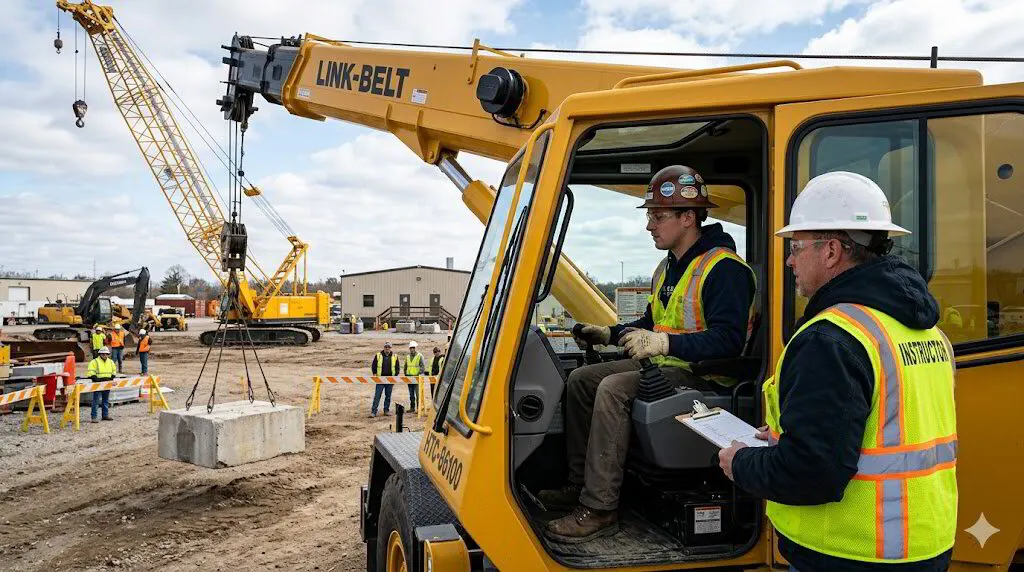 The Ultimate Guide to Crane Operator Field Training Programs: Certification & Career SuccessIn the ever-evolving construction industry, the need for certified crane operators is paramount, making effective…
-
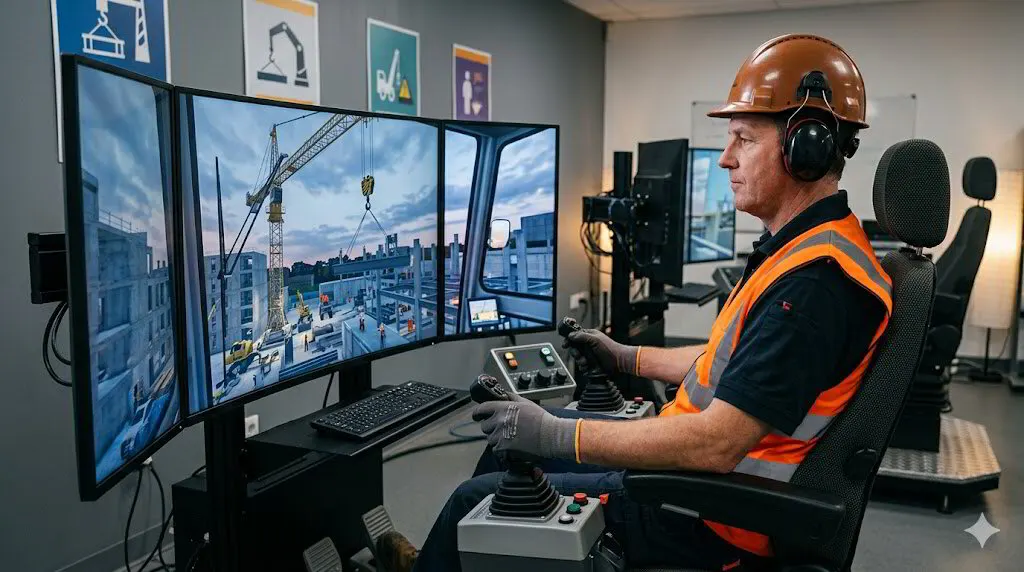 How Crane Simulators Enhance Operator Skills for Safer Construction PracticesAs the construction industry increasingly embraces technology, crane operator training has evolved significantly,…
-
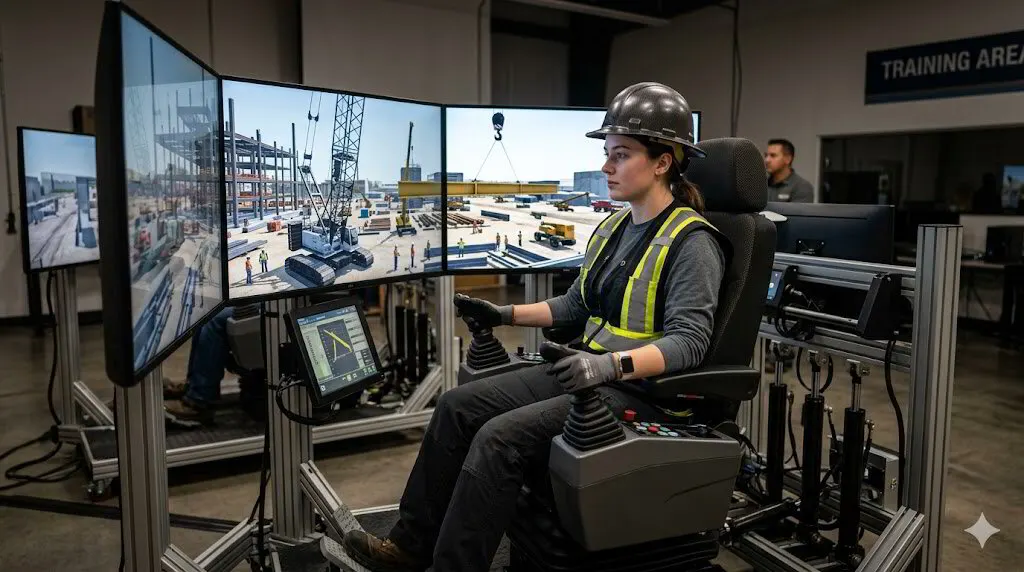 Unlocking Efficiency: The Benefits of Crane Simulator Training for Aspiring OperatorsCrane simulator training is revolutionizing the skill development of aspiring crane operators, offering a safe and…