
Introduction to Heavy Equipment Operator Training
The construction industry demands skilled professionals who can safely and efficiently operate complex heavy machinery. Certified heavy equipment operator training has become an essential pathway for individuals seeking to establish successful careers in construction, infrastructure development, and industrial operations. This specialized training encompasses comprehensive education in crane operations, safety protocols, equipment maintenance, and regulatory compliance.
In today's competitive construction landscape, certification serves as more than just a credential—it represents a commitment to safety, professionalism, and technical excellence. Employers increasingly prioritize certified operators who demonstrate proven competency in handling sophisticated lifting equipment. The National Commission for the Certification of Crane Operators (NCCCO) has established industry standards that ensure operators possess the knowledge and skills necessary to perform their duties safely and effectively.
Heavy equipment operation encompasses various specialized roles, from mobile crane operators who work on diverse construction sites to tower crane operators who manage high-rise building projects. Each type of crane operation requires specific training and certification, reflecting the unique challenges and safety considerations involved. Understanding these distinctions is crucial for professionals choosing their career path and for employers seeking qualified operators for specific projects.
The investment in proper training yields significant returns through reduced workplace accidents, improved project efficiency, and enhanced career opportunities. As construction projects become increasingly complex and safety regulations more stringent, the value of certified heavy equipment operator training continues to grow across the industry.
The Certification Process Explained
Obtaining certification as a heavy equipment operator involves a structured process designed to ensure comprehensive competency in both theoretical knowledge and practical skills. The journey begins with understanding the specific requirements for your chosen specialization, whether in mobile cranes, tower cranes, or other heavy lifting equipment.
The NCCCO certification process represents the gold standard in crane operator credentialing. This nationally recognized program consists of written examinations covering safety regulations, load calculations, equipment specifications, and operational procedures. Candidates must demonstrate mastery of fundamental concepts including crane dynamics, rigging principles, signal communications, and hazard recognition. The written portion typically includes core knowledge requirements plus specialty examinations for specific crane types.
Following successful completion of written examinations, candidates must pass practical assessments that evaluate hands-on operational skills. These practical tests require operators to demonstrate safe equipment operation, accurate load handling, and proper response to various operational scenarios. Practical examinations are conducted using actual equipment under the supervision of certified evaluators who assess performance against established industry standards.
The certification timeline varies depending on individual preparation and training program structure. Most comprehensive training programs span several weeks to months, incorporating both classroom instruction and hands-on practice. Some programs are built for experienced operators seeking formal certification, while entry-level programs provide foundational education for newcomers to the industry.
Recertification requirements ensure operators maintain current knowledge and skills throughout their careers. NCCCO certification typically requires renewal every five years, involving continuing education and updated examinations. This ongoing requirement reflects the evolving nature of equipment technology, safety regulations, and industry best practices. Many operators choose to pursue additional certifications in multiple crane types or specialized applications, expanding their career opportunities and professional versatility.
Types of Crane Operator Courses Available
Mobile Crane Courses: Overview and Benefits
Mobile crane courses focus on versatile equipment used across diverse construction applications. These courses cover rough terrain cranes, all-terrain cranes, and truck-mounted units that provide flexibility for projects ranging from residential construction to major infrastructure development. Students learn equipment setup procedures, stability calculations, and load chart interpretation specific to mobile crane operations.
The curriculum emphasizes practical skills including site assessment, ground preparation, and equipment positioning. Operators master techniques for working in confined spaces, navigating challenging terrain, and coordinating with other construction activities. Mobile crane courses also address transportation requirements, equipment maintenance protocols, and regulatory compliance for operating on public roads.
Tower Crane Courses: Specialized Training
Tower crane courses prepare operators for high-rise construction projects requiring specialized skills and safety awareness. These courses cover equipment assembly, climbing procedures, and operations at significant heights. Students learn load management techniques for precise material placement in multi-story construction environments.
Training includes comprehensive instruction in weather considerations, communication protocols with ground crews, and emergency procedures specific to tower crane operations. The curriculum addresses equipment limitations, load radius calculations, and coordination with other construction activities in complex urban environments.
Lattice Crane Courses: Key Aspects
Lattice boom crane training focuses on heavy-lifting applications requiring maximum capacity and reach. These specialized courses cover equipment configuration, counterweight management, and assembly procedures for large-scale industrial projects. Students learn advanced rigging techniques and load management for complex lifting operations.
The curriculum emphasizes safety protocols for high-capacity operations, including ground preparation, equipment inspection, and coordination with specialized rigging teams. Training includes instruction in boom configuration options, load block management, and operational planning for challenging lifting scenarios.
Rigger & Signal Person Certification: What to Expect
Rigger and signal person training programs complement crane operator certification by focusing on load preparation and communication protocols. These courses cover sling selection, load balancing, and proper attachment techniques for various materials and equipment. Students learn hand signals, radio communication procedures, and safety protocols for coordinating lifting operations.
The curriculum includes instruction in load weight estimation, center of gravity determination, and hazard identification around active crane operations. Training emphasizes the critical role of riggers and signal persons in maintaining operational safety and efficiency throughout complex lifting procedures.
Comparison of Training Programs
Evaluating certified heavy equipment operator training programs requires careful consideration of multiple factors that impact both learning outcomes and career advancement opportunities. Program quality varies significantly across training providers, making thorough comparison essential for making informed decisions.
Duration and Scheduling Flexibility
Training programs range from intensive two-week courses to extended programs spanning several months. Shorter programs typically focus on experienced operators seeking formal certification, while comprehensive programs provide foundational education for industry newcomers. Many providers offer flexible scheduling options including evening classes, weekend sessions, and modular programs that accommodate working professionals.
Cost Structure and Value Analysis
Program costs vary considerably based on duration, equipment access, and included services.Pay is set by the employer. This school does not state or promise wages.Miller Crane Works does not offer job placement. Some programs offer financing options or payment plans to make training accessible to qualified candidates.
Practical Experience Opportunities
Hands-on training distinguishes superior programs from theoretical-only instruction. Quality programs provide extensive equipment practice time using current industry-standard machinery. Students should evaluate the variety of equipment available, instructor-to-student ratios during practical sessions, and opportunities for real-world scenario practice.
Instructor Qualifications and Industry Experience
Instructor credentials significantly impact training quality and relevance. Experienced instructors bring current industry knowledge, practical insights, and professional networks that benefit students beyond basic certification requirements. Look for programs featuring certified instructors with extensive field experience and ongoing industry involvement.
Support Services and Career Assistance
Miller Crane Works does not offer job placement. Some providers maintain relationships with major construction companies and can facilitate employment opportunities for qualified graduates. Post-graduation support may include refresher training, continuing education opportunities, and professional development resources.
Benefits of Choosing Miller Crane Works for Training
Miller Crane Works distinguishes itself through industry-leading instruction that combines theoretical knowledge with extensive practical experience. Our certified instructors bring decades of field experience and maintain current industry certifications, ensuring students receive relevant, up-to-date training that reflects current best practices and technological advances.
Our comprehensive crane operator training programs feature state-of-the-art equipment and purpose-built training facilities designed to simulate real-world operational conditions. Students gain hands-on experience with mobile cranes, tower cranes, and lattice boom equipment, developing confidence and competency across multiple crane types. This diverse equipment access provides graduates with versatility that enhances employment opportunities and career advancement potential.
The hands-on training focus at Miller Crane Works ensures students develop practical skills alongside theoretical knowledge. Our low instructor-to-student ratios during equipment practice sessions provide personalized attention and immediate feedback that accelerates skill development. Students practice complex scenarios including challenging weather conditions, confined space operations, and coordinated lifting procedures that prepare them for real-world challenges.
Miller Crane Works maintains strong relationships with leading construction companies and industrial contractors, facilitating employment opportunities for qualified graduates.Miller Crane Works does not offer job placement. Many graduates secure employment before completing their training programs, reflecting the high regard employers place on our comprehensive certification process.
Success stories from Miller Crane Works graduates demonstrate the effectiveness of our training approach. Recent graduates report significant salary increases, rapid career advancement, and expanded employment opportunities following certification. Our alumni network provides ongoing professional support and career development resources that benefit graduates throughout their careers in heavy equipment operation.
Choosing the Right Course for Your Needs
Selecting the appropriate certified heavy equipment operator training program requires careful assessment of personal career goals, current experience level, and specific industry requirements. Begin by evaluating your existing skills and identifying knowledge gaps that training should address. Entry-level candidates benefit from comprehensive programs covering fundamental concepts, while experienced operators may prefer focused certification courses.
Consider your target employment sector when choosing training specializations. Residential construction typically requires mobile crane certification, while commercial high-rise projects demand tower crane expertise. Industrial and infrastructure projects often require multiple certifications including rigging and signaling credentials. Research local market demands and employer preferences to guide your certification choices.
Employer requirements vary significantly across construction sectors and geographic regions. Many companies specify NCCCO certification as minimum qualifications, while others may accept alternative credentials. Some employers provide in-house training for certified operators, while others expect complete job-ready competency. Understanding these expectations helps align training choices with career objectives and employment opportunities.
Long-term career planning should influence certification decisions and training investments. Multiple certifications expand employment opportunities and earning potential, while specialized expertise in high-demand areas can command premium compensation. Consider progression pathways from operator roles to supervisory positions, training roles, or equipment sales careers that may require additional credentials or business skills.
Conclusion and Next Steps
Certified heavy equipment operator training represents a strategic investment in career advancement and professional development within the construction industry. The comprehensive comparison of available training options demonstrates the importance of selecting programs that align with individual career goals while meeting industry standards for safety and competency.
The certification process, while demanding, provides operators with credentials that enhance employment opportunities, increase earning potential, and demonstrate commitment to professional excellence. Whether pursuing mobile crane certification, tower crane specialization, or comprehensive multi-discipline training, the investment in proper education yields significant returns throughout a career in heavy equipment operation.
Miller Crane Works offers the comprehensive training, expert instruction, and industry connections necessary for success in today's competitive construction environment. Our proven track record of graduate success and strong employer relationships position our students for immediate employment and long-term career advancement.
The construction industry continues expanding, creating ongoing demand for certified heavy equipment operators across all specializations. Taking action now to pursue certification positions professionals to capitalize on these opportunities while contributing to safer, more efficient construction operations.
Contact Miller Crane Works today to explore our comprehensive crane operator training programs and NCCCO certification courses. Visit https://millercraneworks.com/ to learn more about our upcoming training sessions and discover how our industry-leading instruction can accelerate your path to certification and career success.
-
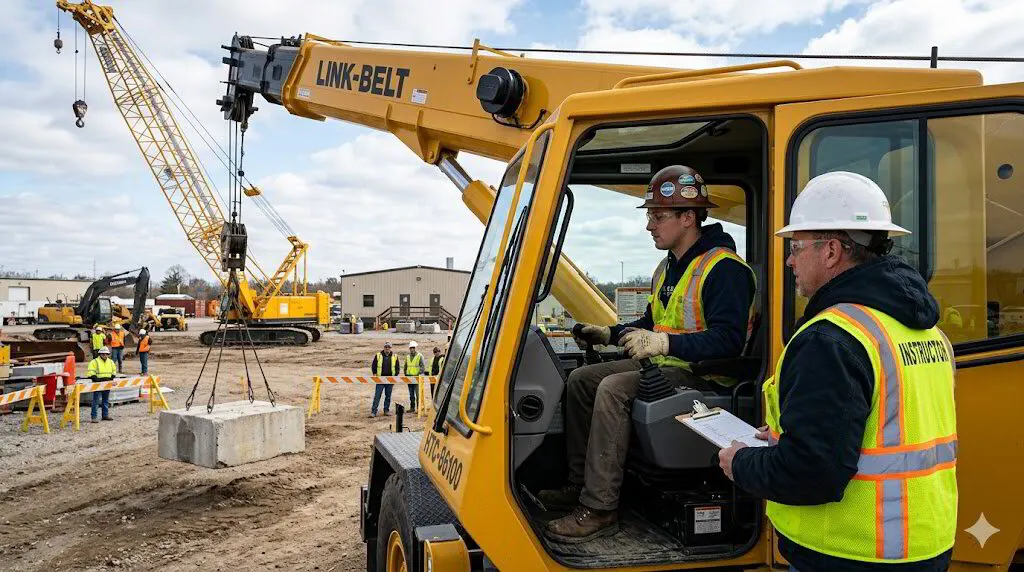 The Ultimate Guide to Crane Operator Field Training Programs: Certification & Career SuccessIn the ever-evolving construction industry, the need for certified crane operators is paramount, making effective…
-
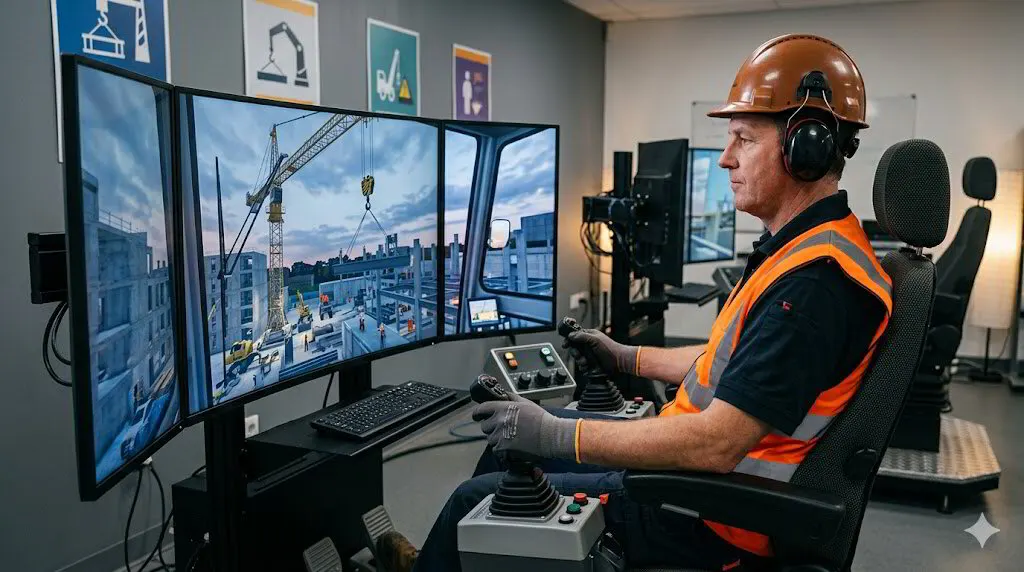 How Crane Simulators Enhance Operator Skills for Safer Construction PracticesAs the construction industry increasingly embraces technology, crane operator training has evolved significantly,…
-
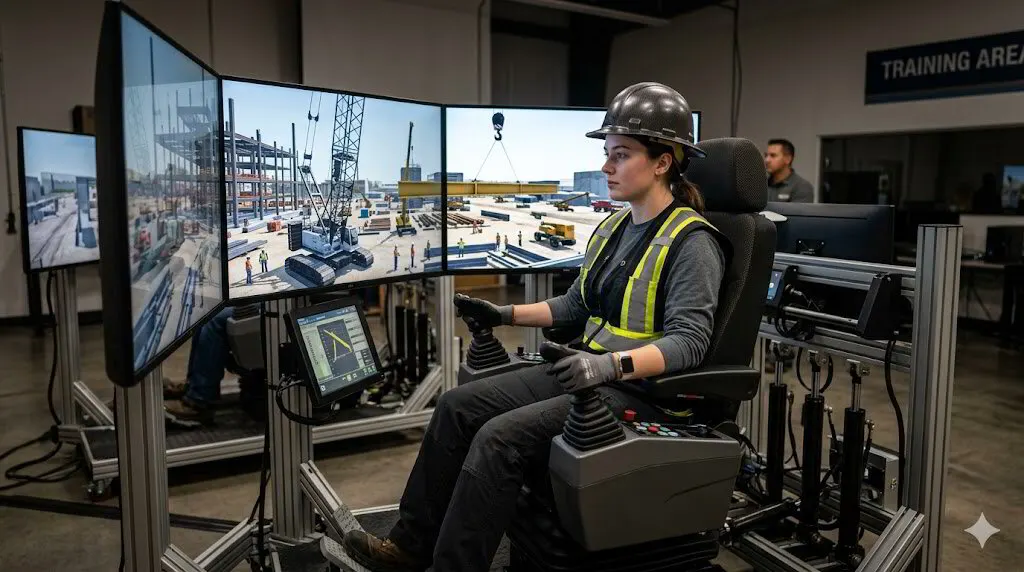 Unlocking Efficiency: The Benefits of Crane Simulator Training for Aspiring OperatorsCrane simulator training is revolutionizing the skill development of aspiring crane operators, offering a safe and…