
Introduction
The construction and heavy lifting industries in Texas are experiencing unprecedented growth, creating a surge in demand for certified crane operators. Whether you're an aspiring crane operator looking to enter this lucrative field or a construction professional seeking to advance your career, understanding how to get NCCCO certification in Texas is crucial for your success. The National Commission for the Certification of Crane Operators (NCCCO) certification has become the gold standard in the industry, recognized by employers, regulatory agencies, and safety organizations nationwide.
NCCCO certification in Texas represents more than just a credential – it's your gateway to higher-paying positions, enhanced job security, and professional recognition in the construction sector. With Texas leading the nation in construction projects, from massive infrastructure developments to commercial building expansions, certified crane operators are in high demand across major cities including Houston, Dallas, Austin, and San Antonio.
This comprehensive guide will walk you through every step of the certification process, from understanding eligibility requirements to selecting the right training provider. You'll learn about different certification types, exam preparation strategies, and the ongoing requirements for maintaining your credentials. By following this roadmap, you'll be well-equipped to navigate the certification journey and launch a successful career in crane operations within the Texas construction industry.
Understanding NCCCO Certification
The National Commission for the Certification of Crane Operators (NCCCO) serves as the premier certification body for crane operators throughout the United States, including Texas. Established in 1995, NCCCO has developed rigorous standards that ensure crane operators possess the knowledge, skills, and competency required to safely operate complex lifting equipment in various construction and industrial environments.
NCCCO certification validates that operators have mastered both theoretical knowledge and practical skills essential for safe crane operation. The certification process involves comprehensive written examinations covering crane operations, safety protocols, load calculations, and equipment maintenance, followed by hands-on practical assessments that demonstrate real-world operating capabilities. This dual approach ensures certified operators can handle the complex challenges they'll encounter on Texas construction sites.
The benefits of obtaining NCCCO certification extend far beyond meeting regulatory requirements.Pay is set by the employer. This school does not state or promise wages. Additionally, many construction companies and general contractors require NCCCO certification for employment, making it essential for career advancement and job opportunities.
NCCCO offers several certification categories to match different equipment types and operational requirements. Mobile Crane Operator certification covers truck-mounted and rough terrain cranes commonly used in construction projects. Tower Crane Operator certification focuses on the stationary cranes essential for high-rise construction in Texas's growing urban centers. Lattice Boom Crawler Crane certification addresses the specialized equipment used in heavy industrial projects and infrastructure development.
Beyond operator certifications, NCCCO also provides credentials for related roles including Rigger certification and Signal Person certification. These complementary certifications create comprehensive lifting teams capable of handling complex construction challenges safely and efficiently. Many Texas professionals pursue multiple certifications to increase their versatility and earning potential in the competitive construction market.
Eligibility Requirements for NCCCO Certification in Texas
Before pursuing NCCCO certification in Texas, candidates must meet specific eligibility requirements designed to ensure they possess the foundational capabilities necessary for safe crane operation. Understanding these requirements early in your planning process helps streamline your path to certification and prevents potential delays or complications.
The minimum age requirement for NCCCO certification is 18 years old, reflecting the serious responsibility and legal liability associated with crane operation. This age requirement applies to all certification categories and cannot be waived under any circumstances. Candidates must provide valid identification demonstrating their age eligibility when registering for examinations.
Educational requirements for NCCCO certification are relatively accessible, requiring only a high school diploma or equivalent (GED). However, candidates should possess strong mathematical skills, as crane operation involves complex load calculations, radius determinations, and capacity chart interpretations. Basic reading comprehension is essential for understanding technical manuals, safety protocols, and operational procedures that form the foundation of crane operator training Texas programs.
Physical capacity requirements ensure operators can safely perform the demanding tasks associated with crane operation. While NCCCO doesn't mandate specific medical examinations, candidates must be capable of climbing equipment, maintaining focus during extended operations, and responding quickly to emergency situations. Many employers require additional medical clearances or drug testing, though these aren't part of the NCCCO certification process itself.
Vision and hearing capabilities are critical for safe crane operation, as operators must clearly see load movements, read hand signals, and communicate via radio systems. Candidates with corrected vision or hearing aids can typically obtain certification, provided their corrected abilities meet operational requirements. Some employers may require vision and hearing tests as part of their hiring process, separate from NCCCO certification requirements.
Prior experience with heavy equipment or construction work, while not mandatory, significantly benefits candidates preparing for certification. This background knowledge helps candidates better understand equipment capabilities, safety protocols, and construction site dynamics covered in crane operator courses and examinations.
Steps to Obtain NCCCO Certification in Texas
Learning how to get NCCCO certification in Texas involves following a systematic six-step process that ensures thorough preparation and successful completion of all requirements. Each step builds upon previous knowledge and skills, creating a comprehensive pathway from initial interest to full certification.
Step 1: Choose the Right Certification Type
Selecting the appropriate certification category depends on your career goals and the equipment types prevalent in your target market. Mobile Crane Operator certification suits candidates interested in general construction work, as these versatile machines handle most lifting tasks on Texas construction sites. Tower Crane Operator certification appeals to those targeting high-rise construction projects in major metropolitan areas. Lattice Boom Crawler certification focuses on heavy industrial applications and infrastructure projects.
Research job opportunities in your target geographic area to understand which certifications offer the best employment prospects. Many candidates pursue multiple certifications over time, starting with Mobile Crane Operator certification before adding specialized credentials as their careers progress.
Step 2: Enroll in a Certified Training Program
Quality training forms the foundation of successful NCCCO certification. Look for training providers offering comprehensive programs that combine classroom instruction with extensive hands-on practice. Effective crane operator training Texas programs cover load calculations, capacity charts, safety protocols, equipment maintenance, and emergency procedures through interactive learning experiences.
Training duration varies by certification type and provider, typically ranging from one to four weeks for initial certification. Intensive programs offer faster completion but require dedicated focus, while part-time programs accommodate working professionals but extend the overall timeline.
Step 3: Complete Training and Practical Assessments
Successful training completion requires mastering both theoretical knowledge and practical skills. Classroom sessions cover technical concepts, regulations, and safety protocols essential for safe crane operation. Practical training sessions provide hands-on experience with actual equipment, allowing candidates to develop the muscle memory and confidence necessary for competent operation.
During practical training, focus on smooth, controlled movements, proper communication protocols, and situational awareness. Experienced instructors provide valuable feedback and correction, helping candidates develop professional-level operating skills before attempting certification examinations.
Step 4: Register for NCCCO Exams
NCCCO examinations are administered at authorized testing centers throughout Texas, including major cities and regional locations. Registration requires completing application forms, providing identification, and paying examination fees. Schedule examinations strategically, allowing adequate preparation time while maintaining momentum from your training program.
Written examinations test theoretical knowledge through multiple-choice questions covering equipment operation, safety protocols, and regulatory requirements. Practical examinations evaluate hands-on operating skills through standardized tasks performed under examiner observation.
Step 5: Pass the Written and Practical Exams
Success on NCCCO examinations requires thorough preparation and confident execution.This school does not publish pass rates. NCCCO scores its own exams. Take advantage of practice tests and study materials to familiarize yourself with examination formats and content areas.
During practical examinations, focus on safety, accuracy, and smooth operation rather than speed. Examiners evaluate your ability to operate equipment safely and competently, prioritizing proper procedures over rapid task completion.
Step 6: Obtain Your Certification
Upon successful completion of both written and practical examinations, NCCCO issues official certification credentials valid for five years. Maintain your certification documents in a safe location and ensure your employer has copies for their records. Begin planning for recertification early, as maintaining current credentials requires ongoing education and periodic renewal.
Choosing a Training Provider
Selecting the right training provider significantly impacts your success in obtaining NCCCO certification and developing the skills necessary for a successful crane operation career. The quality of instruction, equipment availability, and support services varies considerably among training providers, making careful evaluation essential for optimal outcomes.
When evaluating potential training providers, prioritize those offering comprehensive programs that combine thorough classroom instruction with extensive hands-on practice. Quality programs provide access to multiple crane types, allowing students to gain experience with the specific equipment they'll encounter in their target employment markets. Look for providers maintaining modern, well-maintained training equipment that reflects current industry standards and technology.
Instructor qualifications represent another critical factor in provider selection. Experienced instructors with active industry backgrounds bring real-world knowledge and practical insights that enhance the learning experience. Seek providers employing certified instructors who maintain current NCCCO credentials and possess extensive field experience in crane operations, construction, or heavy lifting applications.
Miller Crane Works stands out among Texas training providers by offering comprehensive crane operator certification programs designed to meet the diverse needs of aspiring operators and construction professionals. Our programs combine expert instruction with extensive practical training sessions, ensuring students develop both the theoretical knowledge and hands-on skills necessary for successful NCCCO certification and professional competence.
Our mobile crane courses cover the versatile equipment commonly used throughout Texas construction projects, while specialized tower crane courses and lattice crane courses address specific market segments and advanced applications. Additionally, we provide rigger and signal person certification programs, enabling students to pursue comprehensive lifting team credentials that enhance their employment prospects and earning potential.
The importance of practical training sessions cannot be overstated in crane operator education. Theoretical knowledge provides the foundation, but hands-on experience develops the muscle memory, spatial awareness, and confidence necessary for safe, efficient crane operation. Quality training providers offer extensive equipment practice time, allowing students to master various operating scenarios and emergency procedures before attempting certification examinations.
Consider provider scheduling flexibility when making your selection, especially if you're currently employed or have other commitments. Some providers offer weekend or evening programs, while others provide intensive full-time courses for faster completion. Choose the format that best fits your schedule and learning style while ensuring adequate time for thorough skill development.
Preparing for the NCCCO Exams
Effective preparation for NCCCO examinations requires a strategic approach combining comprehensive study, practical experience, and thorough familiarization with examination formats and requirements. Success depends on mastering both theoretical knowledge and practical skills while developing the confidence necessary to perform under examination conditions.
Begin your preparation by obtaining official NCCCO study materials and candidate handbooks specific to your chosen certification category. These resources provide detailed content outlines, sample questions, and examination procedures that form the foundation of your study plan. Supplement official materials with additional resources such as crane operation textbooks, safety manuals, and technical references covering load calculations and equipment specifications.
Practice tests and simulators offer valuable preparation tools that familiarize you with examination formats while identifying knowledge gaps requiring additional study. Many online platforms provide NCCCO practice examinations that mirror actual test conditions, allowing you to gauge your readiness and adjust your preparation accordingly. Focus particular attention on areas where practice tests reveal weaknesses, dedicating extra study time to challenging concepts.
Develop a systematic study schedule that allocates adequate time for all examination content areas while allowing for review and reinforcement of challenging material. Break complex topics into manageable segments, focusing on understanding underlying principles rather than memorizing isolated facts. Create summary notes and reference cards covering key formulas, safety protocols, and operational procedures for quick review before examinations.
The importance of hands-on experience cannot be overstated in examination preparation. Practical examinations evaluate your ability to operate equipment safely and competently, skills that develop only through extensive practice and repetition. Take advantage of every opportunity to operate cranes during your training program, focusing on smooth, controlled movements and proper safety procedures.
During practical preparation, practice common examination tasks such as load placement, equipment setup, and emergency procedures until they become second nature. Work with experienced operators and instructors to receive feedback on your technique and identify areas for improvement. Video recording of practice sessions can provide valuable self-assessment opportunities, allowing you to observe and correct operational deficiencies.
Mental preparation plays a crucial role in examination success, particularly for candidates experiencing test anxiety or performance pressure. Develop confidence through thorough preparation and positive visualization techniques. Arrive at examinations well-rested and focused, bringing all required documentation and identification. Remember that examiners want you to succeed and are evaluating your competency rather than trying to create failure.
Recertification Process
Maintaining your NCCCO certification requires ongoing commitment to professional development and periodic renewal to ensure your skills and knowledge remain current with evolving industry standards and safety requirements. Understanding the recertification process early in your career helps you plan for continuous professional growth while maintaining uninterrupted certification status.
NCCCO certifications remain valid for five years from the date of issuance, after which operators must complete recertification requirements to maintain their credentials. The recertification process involves demonstrating continued competency through written examinations, practical assessments, or approved continuing education programs, depending on your certification category and career activity level.
Operators who have worked at least 1,000 hours in their certified capacity during the five-year certification period may qualify for recertification through written examination only, without repeating practical assessments. This pathway recognizes that regular professional practice maintains and enhances practical skills. However, operators with less than 1,000 hours of documented experience must complete both written and practical examinations for recertification.
NCCCO recertification also offers continuing education pathways for operators seeking to maintain their credentials through structured learning rather than traditional examinations. These programs combine classroom instruction, online learning modules, and practical skill assessments to ensure operators remain current with industry developments, regulatory changes, and safety innovations.
Begin planning for recertification at least one year before your current certification expires to ensure adequate preparation time and avoid potential lapses in credentials. Many employers require current certification for continued employment, making timely recertification essential for career continuity. Document your work hours and professional activities throughout your certification period to streamline the recertification application process.
Miller Crane Works teaches the approved courses in Seagoville. NCCCO recertification is a testing requirement, not a separate course at the school. Upcoming classes cover the approved courses, operating techniques, and updates on regulatory changes affecting crane operations in Texas. Contact our team to ask which approved course fits and to reserve a seat.
Conclusion
Successfully obtaining NCCCO certification in Texas opens doors to rewarding career opportunities in the state's thriving construction and heavy lifting industries. This comprehensive certification process, while demanding, provides the foundation for professional competence, enhanced earning potential, and long-term career security in crane operations.
The journey from initial interest to full certification involves careful planning, quality training, thorough preparation, and dedicated commitment to professional excellence. By following the systematic approach outlined in this guide – from understanding eligibility requirements through selecting quality training providers and preparing effectively for examinations – you position yourself for success in this competitive field.
Remember that NCCCO certification represents just the beginning of your professional development journey. The construction industry continuously evolves with new technologies, safety protocols, and operational techniques that require ongoing learning and skill enhancement. Embrace opportunities for additional training, specialized certifications, and professional networking that expand your capabilities and career prospects.
Texas's construction boom shows no signs of slowing, creating sustained demand for skilled, certified crane operators across diverse project types and geographic regions. Your investment in NCCCO certification pays dividends through increased employment opportunities, higher wages, and professional recognition that distinguishes you in the competitive job market.
Miller Crane Works offers comprehensive crane operator training programs designed to prepare you for certification success and professional competence. Our expert instructors, modern equipment, and proven curriculum provide the foundation you need to excel in your certification examinations and future career.
Contact Miller Crane Works today to learn about our upcoming training sessions and take the first step toward your rewarding career in crane operations. Visit https://millercraneworks.com/ to explore our complete range of certification programs and schedule your training today.
-
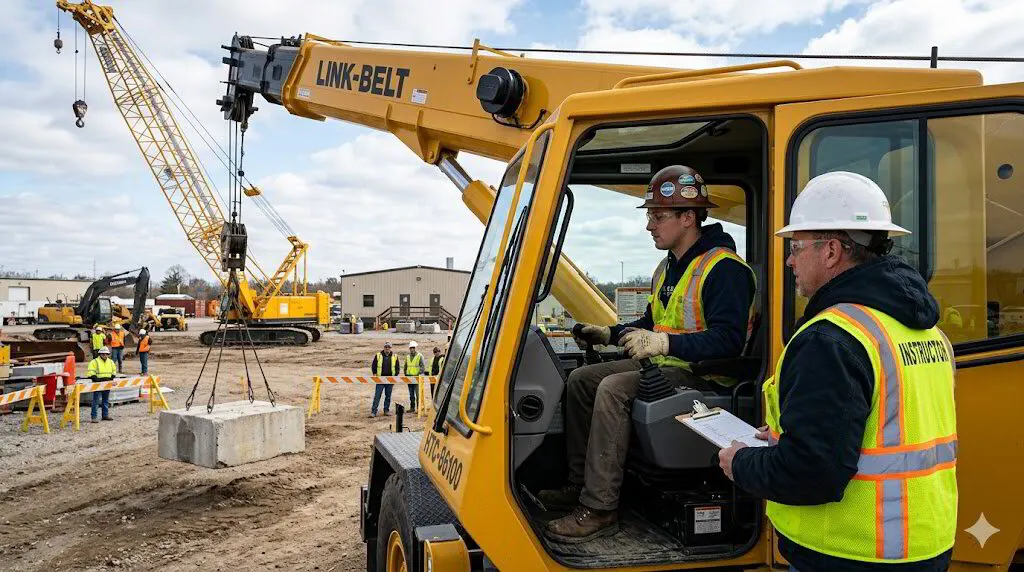 The Ultimate Guide to Crane Operator Field Training Programs: Certification & Career SuccessIn the ever-evolving construction industry, the need for certified crane operators is paramount, making effective…
-
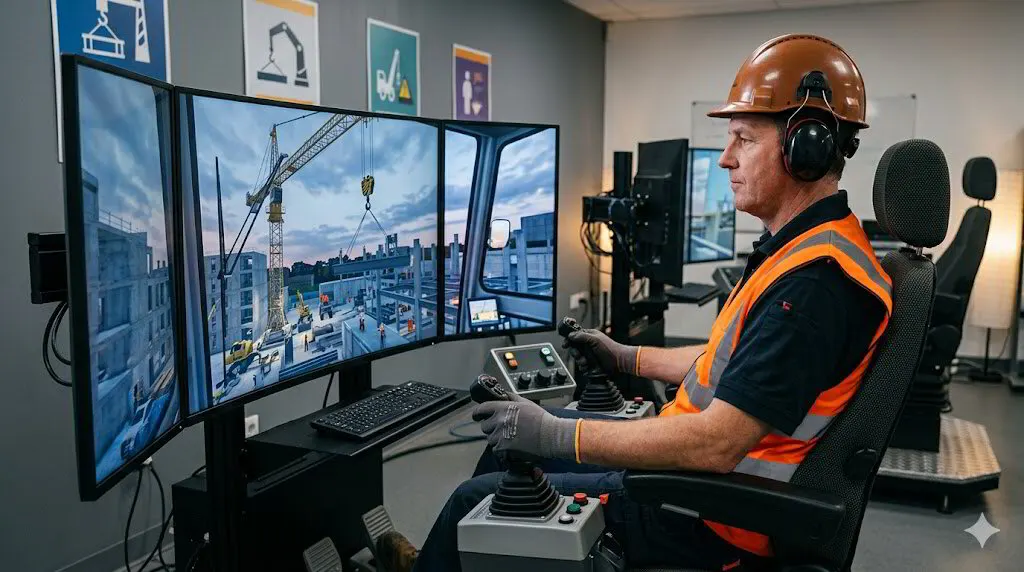 How Crane Simulators Enhance Operator Skills for Safer Construction PracticesAs the construction industry increasingly embraces technology, crane operator training has evolved significantly,…
-
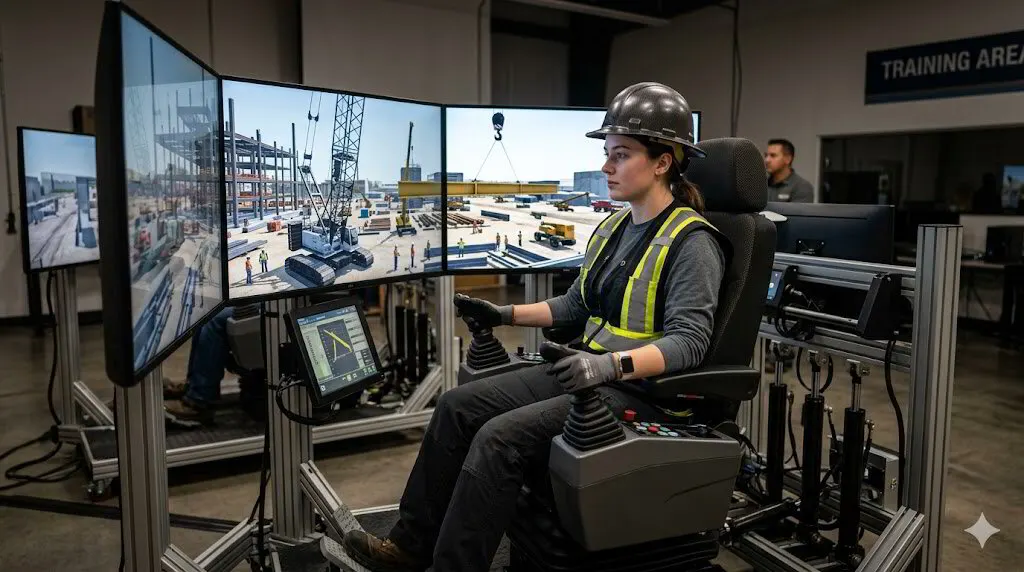 Unlocking Efficiency: The Benefits of Crane Simulator Training for Aspiring OperatorsCrane simulator training is revolutionizing the skill development of aspiring crane operators, offering a safe and…