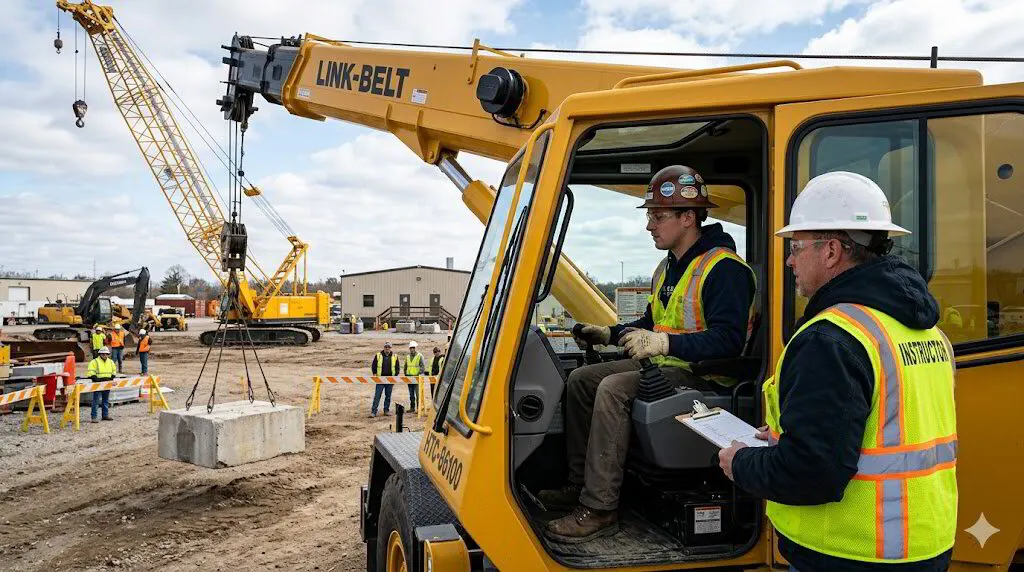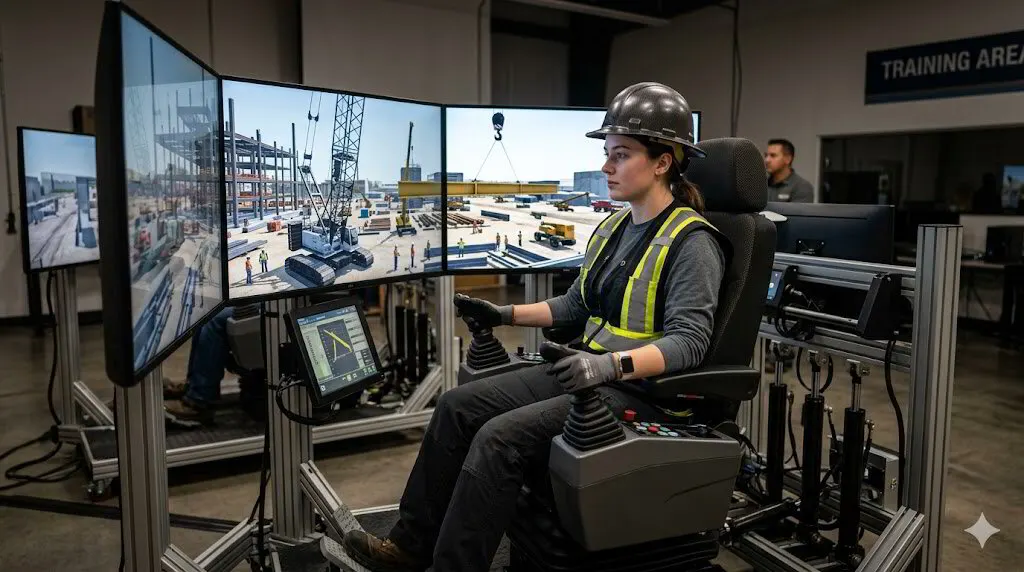
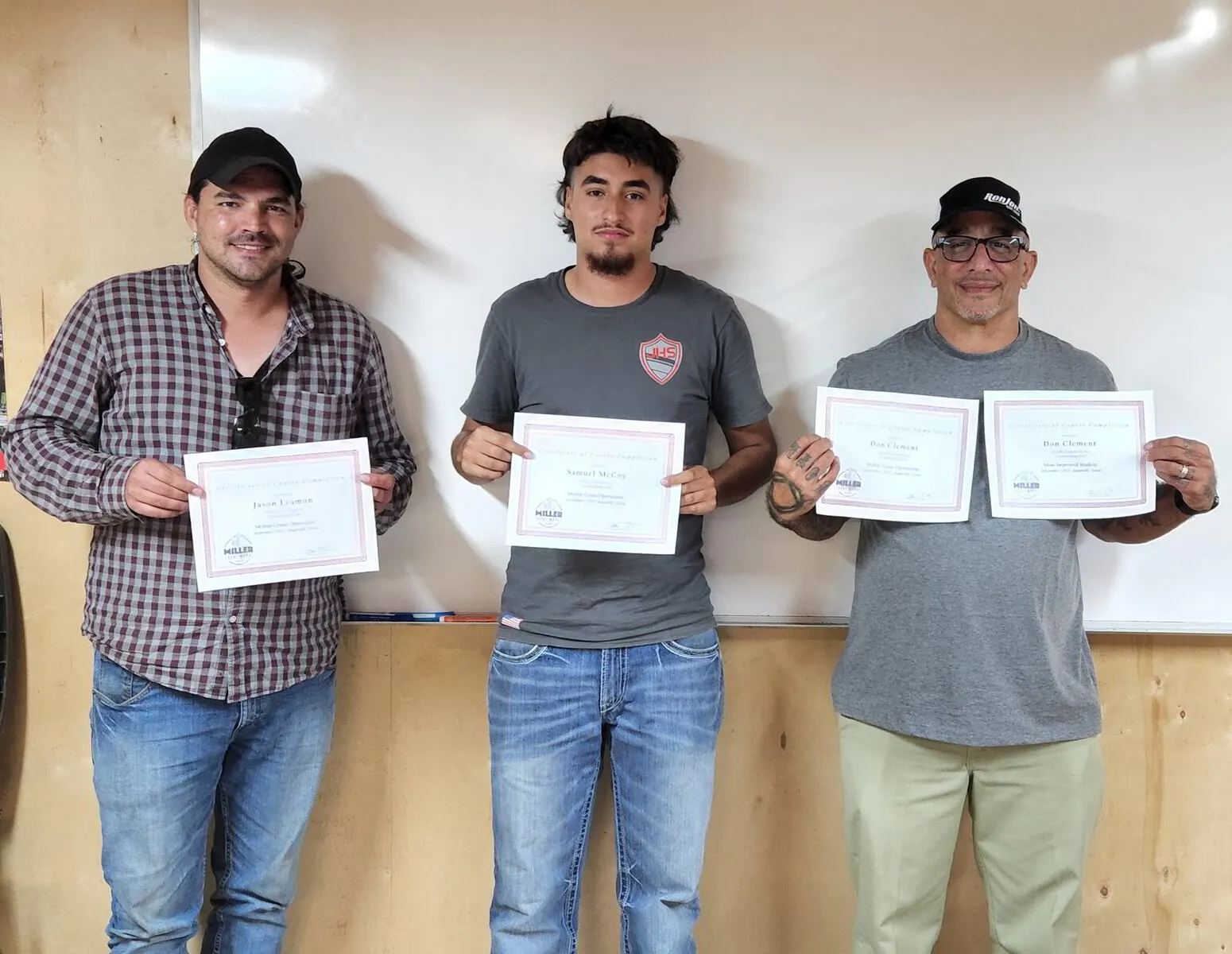
Plenty of veterans already have the habits crane work rewards: following a checklist, communicating on a radio, and respecting heavy equipment. If you're thinking about using your education benefits for crane training, this is how the process works with us.
Two VA programs, two different routes
Miller Crane Works is approved for two VA benefit programs, and they work differently:
Post-9/11 GI Bill® (Chapter 33)
This is the benefit most veterans think of first. Crane courses are non-college degree training, so you use your entitlement for a specific approved program. You apply through VA.gov, receive a Certificate of Eligibility (COE), and send it to us before your class starts. We then certify your enrollment with VA. What VA pays, and whether you receive a housing allowance or books stipend, depends on your eligibility percentage and VA's rules, so check your COE and VA's current rates.
Veteran Readiness and Employment (Chapter 31)
VR&E is for veterans with a service-connected disability and an employment handicap. It runs through a VR&E counselor, who has to agree that crane operation fits your rehabilitation plan. If you're already working with a counselor, bring up crane training early and ask what documentation they need from the school.
Step by step
- Pick the crane type. Most people starting from zero choose telescopic fixed or swing cab cranes, which are common on commercial jobs. Tower and lattice boom cranes are other options.
- Talk to us about dates. Call (214) 763-0513 or check the training schedule.
- Apply with VA. For Chapter 33, apply for education benefits on VA.gov. For Chapter 31, go through your VR&E counselor.
- Get your COE or authorization and send it to our team before your first class.
- Plan travel and lodging. If you live outside commuting distance, look at a premium course with the housing option.
The funding page keeps the current list of ways to pay.
If VA payment is still pending
VA payments can take time. Under federal law (38 U.S.C. 3679(e)), a school can't penalize a covered student because VA hasn't paid yet. Our VA compliance policy explains what that means here: no late fees while payment is pending, and full access to classes, as long as you've given us your COE and the other information the policy lists.
Military experience that carries over
Some veterans come in having run heavy equipment, worked on flight lines or loaded cargo. That experience helps with spatial sense and discipline, but it doesn't substitute for civilian certification. Contractors working under OSHA's crane rule need operators certified for the crane type, and NCCCO certification is the credential most of them ask for. You still pass the written and practical exams like everyone else.
What usually does carry over: comfort with procedures, pre-use inspections and clear radio traffic. Those make the classroom and yard time go smoother.
Courses veterans commonly use benefits for
All 12 of our courses are approved by the Texas Workforce Commission. Veterans new to cranes often choose Mobile Crane Operations Fixed/Swing Cab 120 Hours for the extra time on charts and seat time. Those traveling from out of the area often look at the Premium Plus Mobile Crane Operations Fixed/Swing Cab Course, which has the option of room and board while you train in Seagoville.
GI Bill® is a registered trademark of the U.S. Department of Veterans Affairs (VA). More information about education benefits offered by VA is available at the official U.S. government website.
Questions from veterans
Can I use Chapter 31 VR&E instead of the Post-9/11 GI Bill® for crane training?
Yes, if your VR&E counselor approves crane training as part of your plan. Miller Crane Works is approved for both Chapter 33 and Chapter 31.
Will I be charged a late fee if VA hasn't paid the school yet?
No. Our VA compliance policy follows 38 U.S.C. 3679(e): no late fees and no loss of class access while VA payment is pending, once you've provided your Certificate of Eligibility.
Can I use benefits for a premium course with optional room and board?
Premium courses are among our approved programs. Ask us and VA how your specific benefit applies before you enroll.